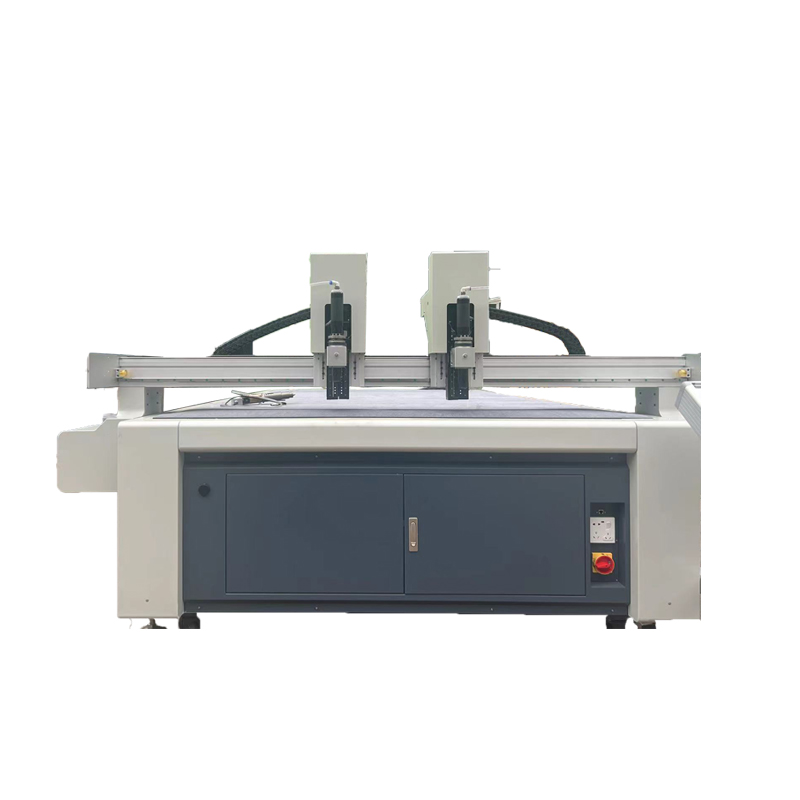
A distributor does not sell only a cutting table. It also represents the manufacturer’s application knowledge, documentation, software workflow, spare-parts system, and response process. If any of these fail, the local distributor usually becomes the first person the customer calls.
Before representing an oscillating knife cutter brand, test the support system as carefully as the machine.
1. Test the application-analysis process
Send the manufacturer several realistic inquiries with different materials, sizes, thicknesses, and output targets. Evaluate whether the response asks useful questions or immediately recommends a model.
A responsible application review should clarify:
- – Exact material and construction
- – Maximum thickness and dimensions
- – Sheet, roll, or hide format
- – Cut, crease, kiss-cut, mark, mill, or punch operations
- – Small-batch or repeated-volume profile
- – Current files and software
- – Quality acceptance and difficult features
The manufacturer should separate confirmed capability from assumptions that require a sample test.
2. Audit the sample-testing workflow
Ask who receives the material, who performs the test, and what evidence is returned. A useful test package includes:
- – Material identification
- – Machine, tool, blade, and relevant configuration
- – Unedited full-cycle video
- – Close-up images of difficult features
- – Finished samples returned to the customer
- – Limitations and required operator steps
Do not accept a library video of a similar material as proof for a buyer’s exact application.
3. Review configuration documentation
Distributors need to explain why a tool, table size, feeding system, vacuum setup, or vision option is included. Request a configuration matrix that connects material and process requirements to available modules.
Check whether the quotation clearly separates standard, optional, third-party, and custom items. Confirm which statements are model-specific and which apply across the product line.
4. Experience the training before selling
Ask to attend the same training offered to customers or service partners. It should cover more than basic machine movement:
- – Safety and startup/shutdown
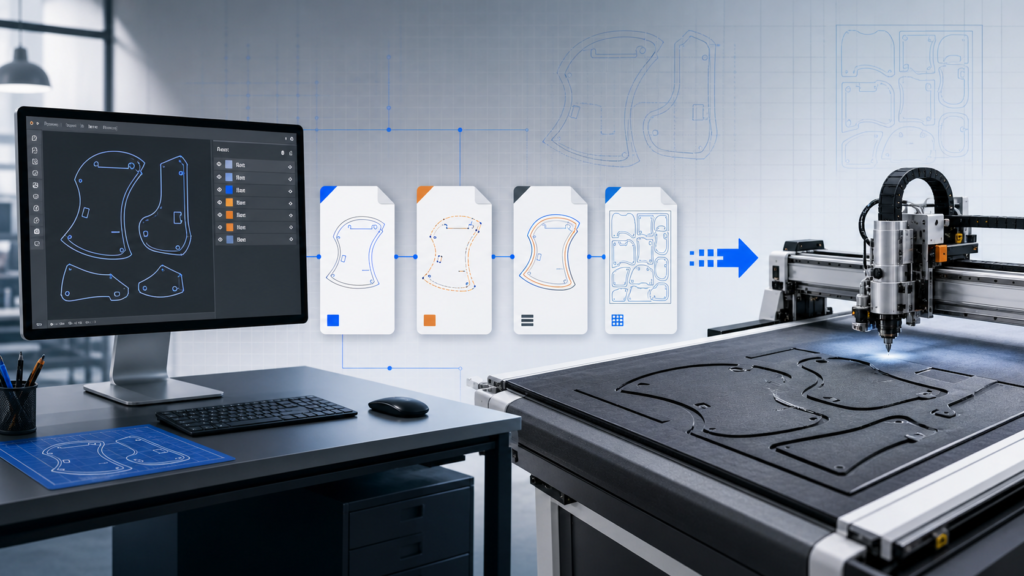
- – File preparation and tool assignment
- – Calibration and cutting-depth setup
- – Material loading and hold-down
- – Common cut-quality problems
- – Consumable inspection and replacement
- – Routine maintenance
- – Backup, software, and diagnostic workflow
Record language, format, duration, prerequisites, and whether training materials can be localized.
5. Test fault escalation
Run a tabletop support exercise. Provide a sample alarm, cut-quality problem, or communication failure and ask what information is needed.
A mature process should identify:
- – First-response channel
- – Required photos, videos, logs, and machine information
- – Distributor and manufacturer responsibilities
- – Escalation path for unresolved cases
- – Time-zone and language coverage
- – Conditions for remote and on-site support
Do not publish a response-time promise until it exists in an approved policy.
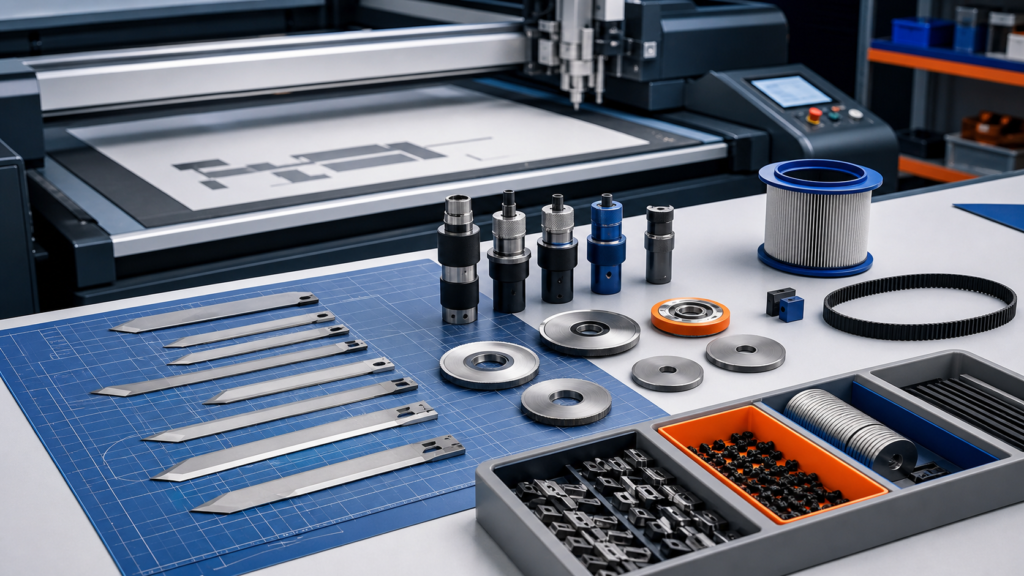
6. Inspect spare-parts readiness
Request an illustrated parts list and distinguish:
- – Consumables
- – Recommended distributor stock
- – Critical downtime parts
- – Model-specific and interchangeable parts
- – Lead times and shipping restrictions
- – Warranty replacement procedure
Check whether part numbers, revision information, and installation instructions are clear enough to prevent ordering errors.
7. Clarify software responsibility
Software can involve machine control, nesting, vision, design import, remote diagnostics, and third-party integration. Ask:
- – Which applications and versions are included?
- – Are licenses permanent, subscription-based, or device-bound?
- – Who supports file-import problems?
- – How are backups, updates, and rollback handled?
- – Can the distributor access diagnostic logs?
- – Are translated interfaces and manuals available?
Avoid vague wording such as “free upgrades forever” unless scope and exclusions are documented.
8. Separate warranty from technical support
Warranty, maintenance, operator error, consumables, application advice, remote support, and on-site service are different services. Ask for a written responsibility matrix that defines:
- – Covered parts and time period
- – Exclusions and evidence required
- – Freight, travel, labor, and customs responsibility
- – Approval for local repair
- – Replacement and return process
- – Support after the warranty period
The distributor should know which promises it can make without seeking case-by-case approval.
Distributor support scorecard
| Area | Evidence to request |
|---|---|
| Application | Completed material and process review |
| Testing | Traceable test package and limitations |
| Configuration | Model/tool/options matrix |
| Training | Curriculum, manuals, assessment |
| Diagnostics | Escalation flow and required data |
| Parts | Illustrated list, stock recommendation, lead times |
| Software | License, update, backup, support policy |
| Warranty | Written scope and responsibility matrix |
Score documented evidence—not presentation quality.

Frequently asked questions
Is a product catalog enough for distributor training?
No. A catalog presents products; training must also cover application qualification, configuration, operation, maintenance, troubleshooting, and escalation.
Should distributors stock spare parts?
That depends on the installed base, lead time, model mix, failure impact, and agreement. Build the list from part numbers and service data rather than guessing.
What should a distributor ask JEKE for first?
Request the current product/configuration matrix, sample-test process, training outline, spare-parts list, software scope, diagnostic flow, and warranty responsibility document. Availability and terms require confirmation.
Related JEKE resources
Continue your evaluation with the JEKE manufacturer information, factory acceptance test checklist, overseas after-sales support overview, contact JEKE about distributor support.