Embark on a journey of knowledge as you navigate through our rich collection of articles.
Packaging Prototyping: When to Buy, Lease, or Outsource Digital Cutting
09/08/2026
Amanda Ye
There is no universally best way to obtain packaging-prototype cutting capacity. Buying may suit teams that need frequent, immediate iterations. Leasing may provide contract-based access where it is available. Outsourcing may be the practical starting point for irregular demand or projects requiring capabilities a team does not use every day.
The decision should be based on workload, revision frequency, turnaround control, confidentiality, materials, cutting and creasing requirements, staffing, space, and local availability—not on a generic volume threshold or promised payback period.
Start with the packaging work
Before discussing ownership, describe the jobs:
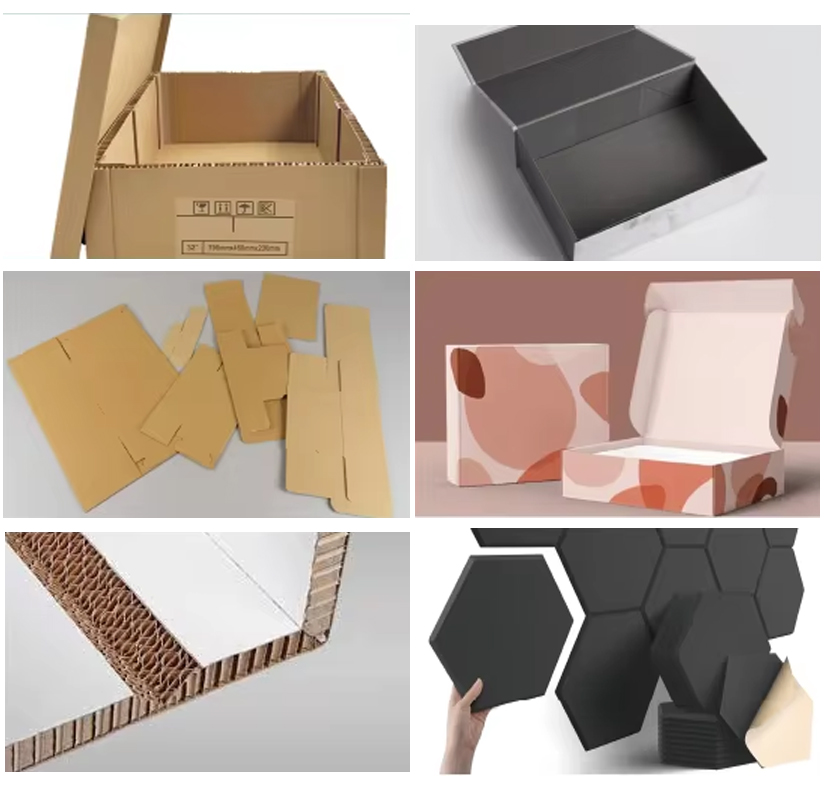
Packaging types and design objectives
Board, paper, film, foam, or other materials
Sheet dimensions and measured thickness
Through-cutting, creasing, kiss-cutting, or marking requirements
Prototype quantity and revision frequency
Required turnaround and approval process
Printed-registration and file-format needs
Confidentiality or pre-launch restrictions
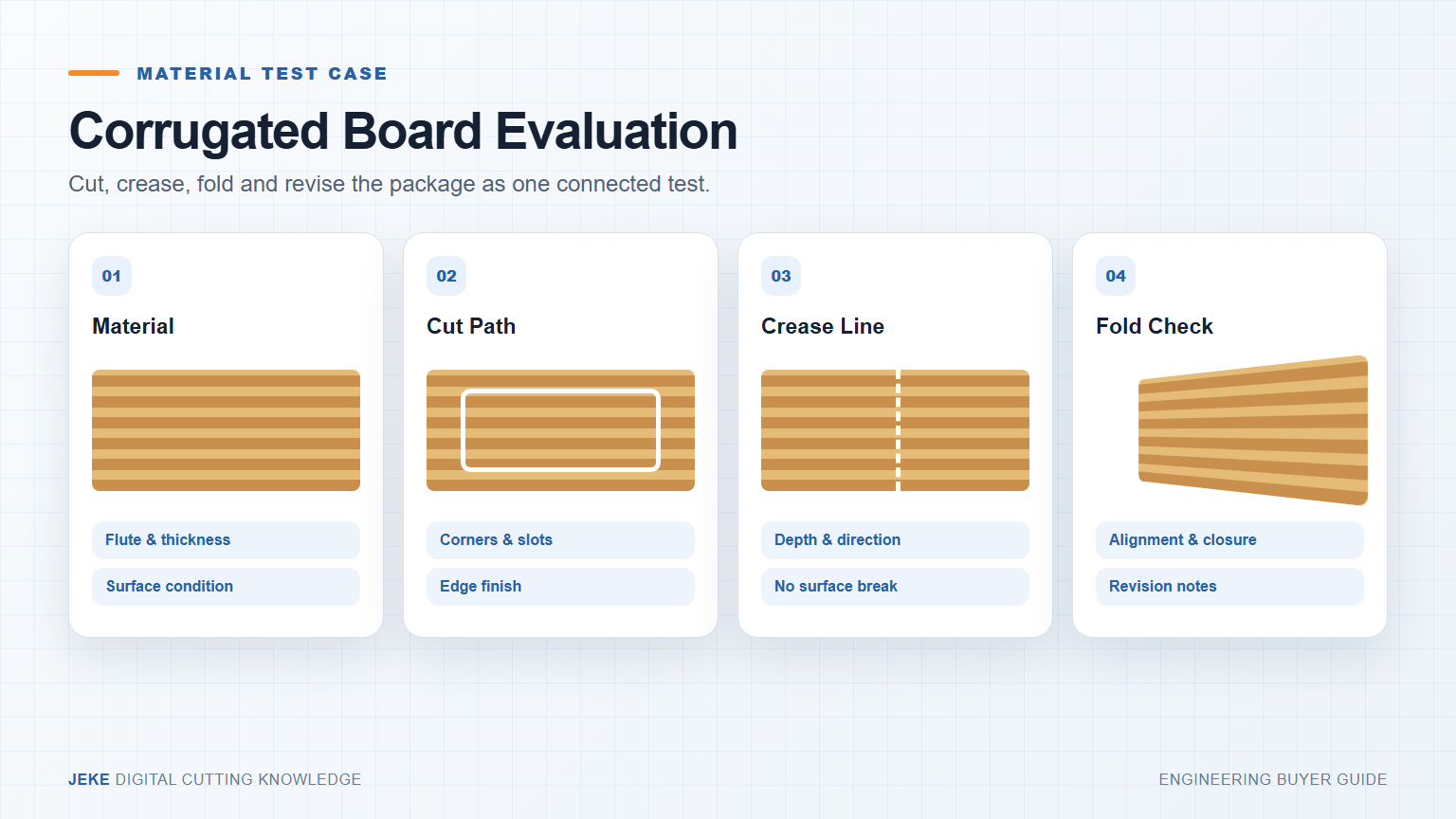
Cutting and creasing must be specified separately. A machine capable of cutting a material does not automatically produce the required fold or crease, and a finished sample alone may hide a slow or impractical workflow.
What buying, leasing, and outsourcing mean
Buying gives the team ownership and direct scheduling control, but it also transfers responsibility for space, operators, software, tools, maintenance, and downtime.
Leasing provides equipment access under a contract. Terms may cover financing only or include selected services. Availability, deposits, usage conditions, insurance, service, and end-of-term options vary by market, so leasing must be confirmed locally before it enters the final comparison.
Outsourcing means purchasing finished cutting capacity from a service provider. It reduces internal equipment responsibility but introduces supplier scheduling, transport, communication, revision loops, minimum charges, and data-control considerations.
When buying may fit
Buying deserves closer examination when jobs are frequent, revisions must be turned immediately, and the team has stable internal demand. It also requires suitable floor space, utilities, file preparation, a trained operator, and a plan for maintenance and consumables.
Do not use job count alone. Ten simple, repeatable samples are different from ten designs with new materials, complex creasing, printed registration, or repeated client revisions. Calculate the complete workflow and the responsibility your team is willing to own.
When leasing may be worth investigating
Leasing may help a team test sustained demand while preserving capital, but only if an appropriate programme exists in the target market. Review:
Contract length and payment structure
Installation, training, service, and insurance
Usage or modification restrictions
Tooling, software, and consumable responsibility
Early termination and end-of-term options
Equipment return condition and removal costs
Do not assume a machine manufacturer offers leasing directly. Ask who the legal provider is and what happens when service responsibilities cross company boundaries.
When outsourcing may be the better starting point
Outsourcing can fit irregular demand, early market testing, or projects that need specialised operations only occasionally. It can also reveal the real effort involved in file preparation, material sourcing, revisions, and finishing before an equipment commitment is made.
However, the quotation should state material responsibility, file checks, cutting and creasing scope, minimum charges, shipping, proof approval, revision handling, lead time, confidentiality, and acceptance criteria. A low unit price is not useful if revision cycles or transport delays break the project schedule.
Decision matrix
Decision factor
Buying may fit when…
Leasing may fit when…
Outsourcing may fit when…
Job frequency
Work is frequent and sustained
Demand is promising but still being validated
Demand is irregular
Turnaround
Immediate internal iteration is important
Contract access provides adequate control
External lead time is acceptable
Design changes
Revisions are frequent
Flexibility is needed without an immediate purchase
Revisions can be managed through a service brief
Team readiness
Space, operator, software, and maintenance are available
Responsibilities are clearly covered by contract
Internal equipment skills are limited
Confidentiality
Work must remain inside the facility
Contract controls are acceptable
Provider controls meet project requirements
Capability range
Core work is stable and testable
Required configuration is available locally
Special processes are needed occasionally
Treat this table as a screening tool. It does not replace quotations, contracts, workflow trials, or material tests.
Run a low-risk validation
Select a small but representative test set:
A normal design and a difficult design.
Actual production material, including variable or difficult lots.
Required cuts, creases, folds, and printed-registration features.
At least one realistic revision after the first sample.
The complete handoff from file preparation to approved folded sample.
Record setup time, revision time, communication steps, finished quality, rework, and responsibility for every failure. The purpose is to test the workflow—not to produce one ideal demonstration piece.
Questions for each provider
Machine supplier
Which configuration was used for the sample?
What is standard, optional, or excluded?
What operator, software, site, and maintenance responsibilities remain with us?
Leasing provider
Is the required configuration available in our country?
What service, insurance, usage, return, and cancellation terms apply?
Who resolves equipment and contract disputes?
Cutting service
What files, materials, tolerances, and acceptance criteria are required?
How are revisions, rush jobs, confidentiality, rejects, and transport handled?
Which operations are performed internally or subcontracted?
Compare without inventing an ROI
Use your own workload and cost inputs. Build low-volume, base, and peak-demand scenarios. Include internal labour, space, utilities, software, tools, maintenance, transport, external service charges, and delays.
Then identify the assumption that could reverse the decision. It may be job frequency, revision speed, operator availability, local leasing access, or outsourced lead time. This is more useful than presenting one payback number as certain.
Frequently asked questions
Is leasing a packaging sample cutter available in every country?
No. Availability and terms depend on local finance providers, distributors, equipment configurations, and credit conditions. Confirm a current written offer in your market.
At what workload should a team buy its own cutter?
There is no universal threshold. Compare your job mix, revisions, turnaround, staff, space, full ownership cost, and alternative supplier costs using the same period and workload assumptions.
What should an outsourced quotation include?
It should define materials, files, operations, quantities, tolerances, proofing, revisions, minimum charges, lead time, shipping, confidentiality, rejects, and acceptance.
Can one machine both cut and crease packaging samples?
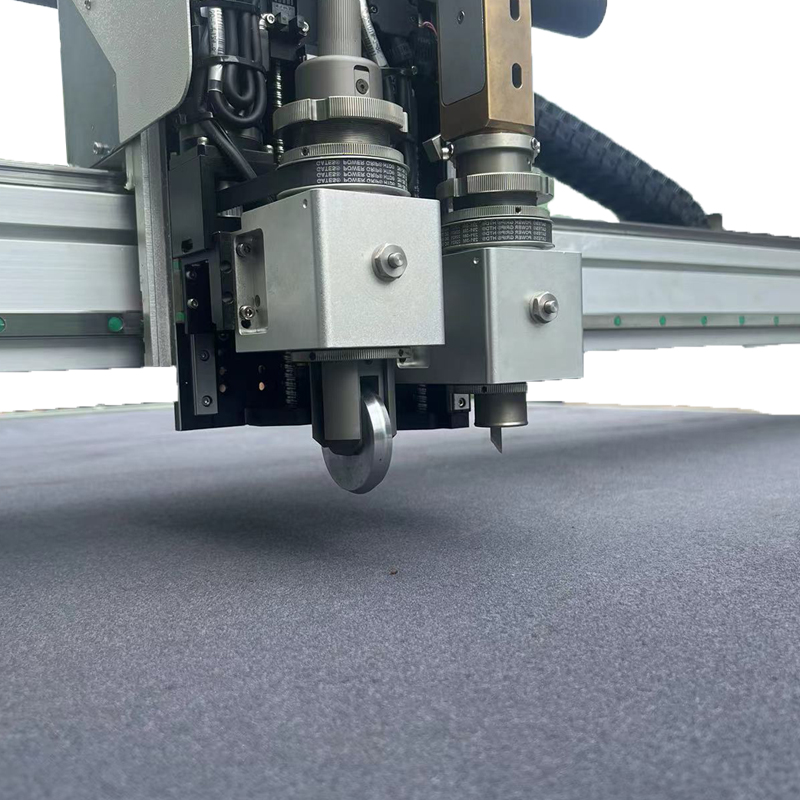
Some configurations can use separate cutting and creasing tools, but the exact material, crease requirement, tool, and workflow must be tested on the proposed system.
Next step: test the decision inputs
Send JEKE representative packaging files, actual materials, required operations, monthly job pattern, and revision frequency to define a documented sample-test scope. This does not imply that leasing is available or that purchasing will produce a particular return.