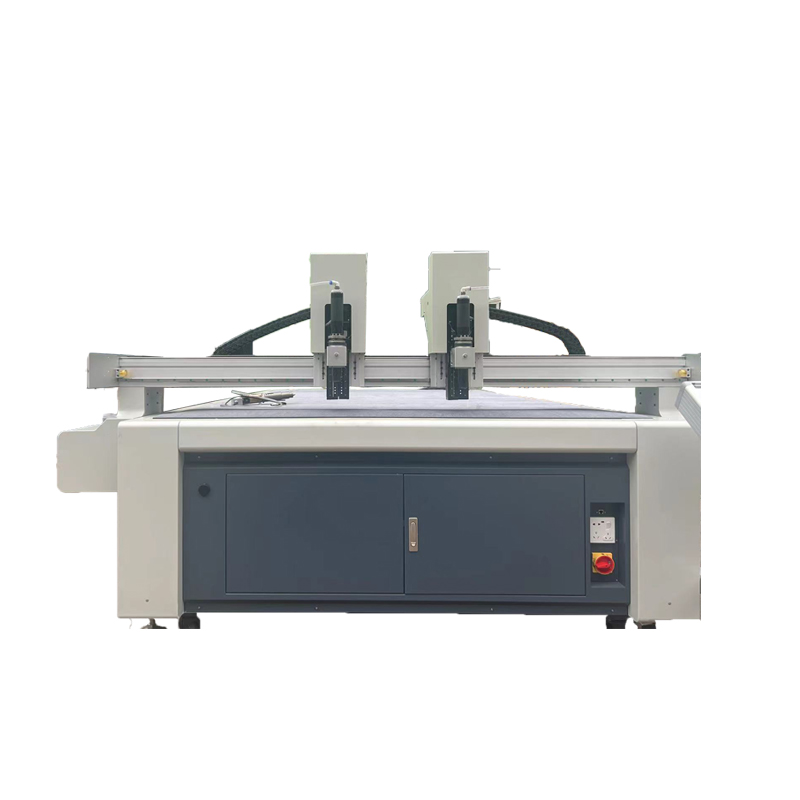
Direct answer: A distributor should evaluate a digital cutter manufacturer across eight areas: application fit, proof from real material tests, product and configuration clarity, technical documentation, sales and service training, remote and field-support workflow, spare-parts readiness, delivery capability and commercial/channel transparency. Verify each area with documents, sample projects and working sessions before discussing exclusivity or volume targets.
A distributor is not only buying a machine. It is accepting responsibility for qualifying customers, translating production requirements, supporting installation and protecting its reputation after the sale. A low purchase price cannot compensate for unclear applications, missing documentation or an escalation process that fails when a customer stops production.

1. Start with application fit
Review the manufacturer’s strongest applications by material and process, not by a long list of industries. Ask which materials are proven, which tools are used, what the configuration limits are and which applications require custom engineering.
| Evidence request | What it should show |
|---|---|
| Material-tool matrix | Which tool families and configurations are used for specific material behavior |
| Representative test reports | Material identity, drawing, setup, result, limitations and acceptance criteria |
| Application videos | Unedited loading, registration, cutting and unloading—not only short close-ups |
| Configuration rules | How working area, feeding, vacuum, vision and tools are selected |
| Exclusion list | Materials or processes the manufacturer does not recommend |
A manufacturer that explains limits is easier to represent than one that claims every machine can cut every non-metal material.
2. Test the manufacturer’s pre-sales process
Send a realistic customer inquiry before signing an agreement. Include material, thickness, largest part, file, required operations, production mix and site conditions. Evaluate the questions the manufacturer asks, the speed and clarity of the technical response, and whether the proposed configuration is tied to evidence.
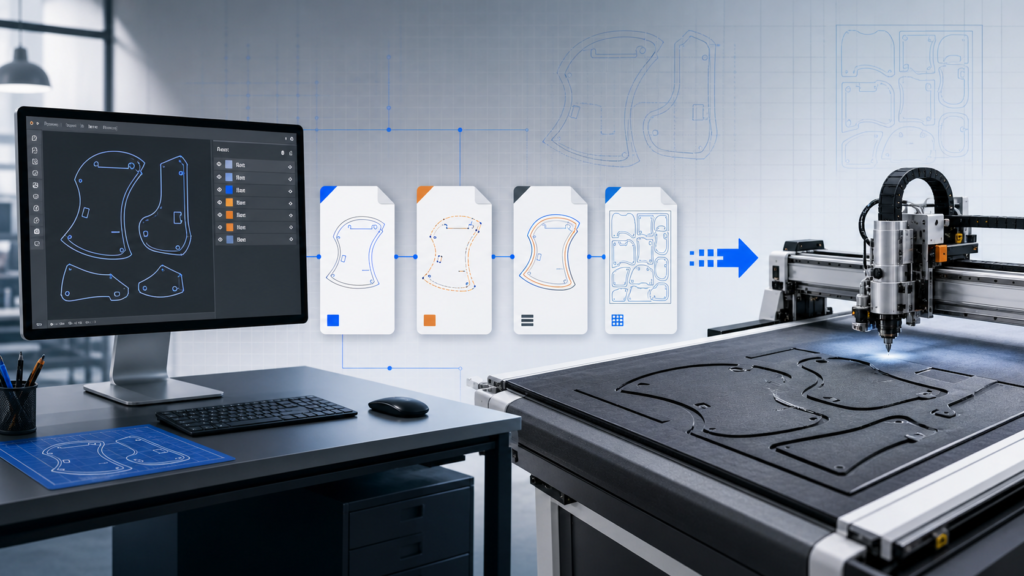
Then send representative material. A strong sample process should define acceptance criteria before testing and return traceable results. The distributor should be able to reuse that process locally rather than forwarding unstructured photos between the customer and factory.
3. Verify product and quotation clarity
A distributor needs to understand what is standard, optional, customized and excluded. Compare the quotation with drawings, tool list, software, material handling, safety configuration, voltage, packing, installation, training and spare parts.
- Can sales staff explain the difference between models without relying on price alone?
- Are tool and blade recommendations linked to the tested material?
- Are optional camera, conveyor, feeder or custom-size items clearly identified?
- Does the quotation define who supplies site utilities, computers, extraction or compressed air where required?
- Are acceptance and change-control steps documented?
4. Audit the documentation package
| Document group | Minimum distributor check |
|---|---|
| Sales | Current product overview, configuration guide, application evidence and editable local-language assets |
| Pre-installation | Machine dimensions, weight, access route, floor, power, air, network and environmental requirements |
| Operation | Startup, job preparation, loading, calibration, tool change, first-piece approval and shutdown |
| Maintenance | Routine tasks, intervals, consumables, lubrication and safe replacement procedures |
| Troubleshooting | Alarm information, diagnostic sequence, logs and escalation evidence |
| Parts | Parts identification, ordering process, recommended local stock and revision control |
Request the actual documents for the proposed product, not a promise that manuals will be available after the first order.
5. Separate sales training from technical training
Established industrial channel programs treat sales, product, installation and service competence as different training needs. A distributor program should define:
- Sales qualification: materials, applications, discovery questions and configuration boundaries.
- Application training: sample intake, tool selection, file preparation and acceptance reporting.
- Operator training: safe startup, loading, job execution, first-piece approval and daily care.
- Service training: installation, calibration, subsystem understanding, preventive maintenance and structured troubleshooting.
- Knowledge verification: practical exercises or assessments, not attendance alone.
Ask who may train end customers, what prerequisites are required and how knowledge is updated when hardware or software changes.
6. Simulate a support incident
Before committing, run a tabletop support exercise. Present an alarm, poor cut or vacuum problem and ask how it moves through the support chain.
- What information does the distributor collect first?
- Which problems should local technicians resolve?
- How are logs, photos, video and files shared securely?
- Who at the manufacturer owns the escalation?
- When is remote access used, and who authorizes it?
- When is a part shipped or an on-site visit considered?
- How is the resolution documented for future use?
Do not convert informal chat availability into a guaranteed response-time statement unless it is written in the agreement and operationally supported.
7. Review spare-parts readiness
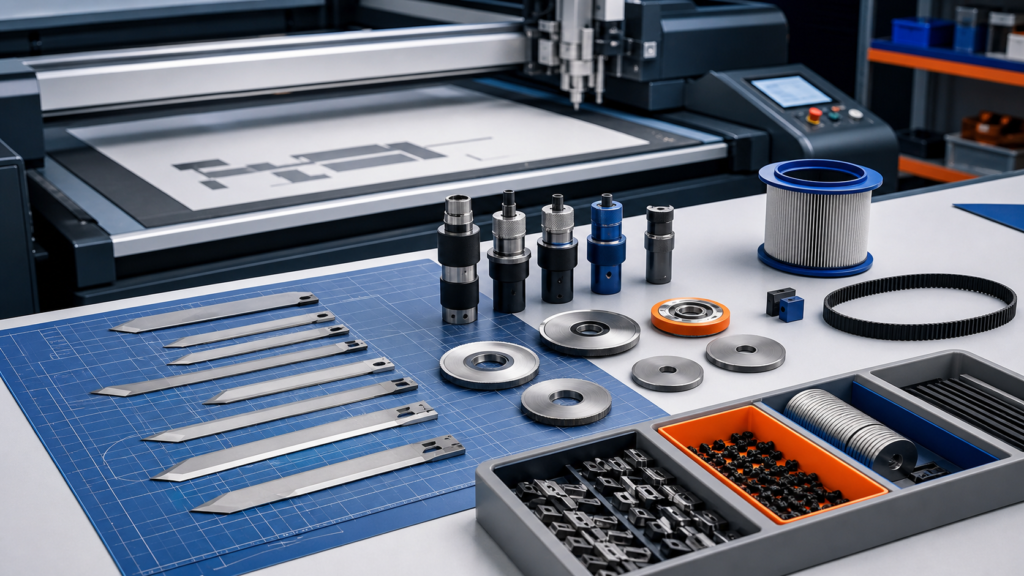
Ask for a recommended list divided into consumables, wear parts, critical parts and long-lead components. Review part identification, current stock, normal dispatch method, customs documents and responsibility for local inventory.
The distributor should understand which items belong in a demo center, which should be stocked near the installed base and which can remain at the factory. The answer depends on installed machines, usage and logistics; it should not be a generic package.
8. Confirm commercial and channel rules in writing
Discuss territory, customer ownership, online leads, cross-border projects, pricing, demonstration equipment, targets, warranty responsibilities, marketing approval, termination and post-termination support. This content is a business checklist, not legal advice; agreements should be reviewed by qualified counsel.
Red flags during manufacturer evaluation
- Every material is described as easy without a representative test.
- Performance figures are quoted without conditions or measurement methods.
- The machine configuration changes between the test, quotation and contract.
- Technical documents are unavailable before the first order.
- Training has no curriculum, practical assessment or role separation.
- Support depends on one individual with no escalation or case record.
- Spare-parts references, prices or ordering responsibilities are unclear.
- Exclusivity is offered before both parties define targets, support capacity and lead handling.
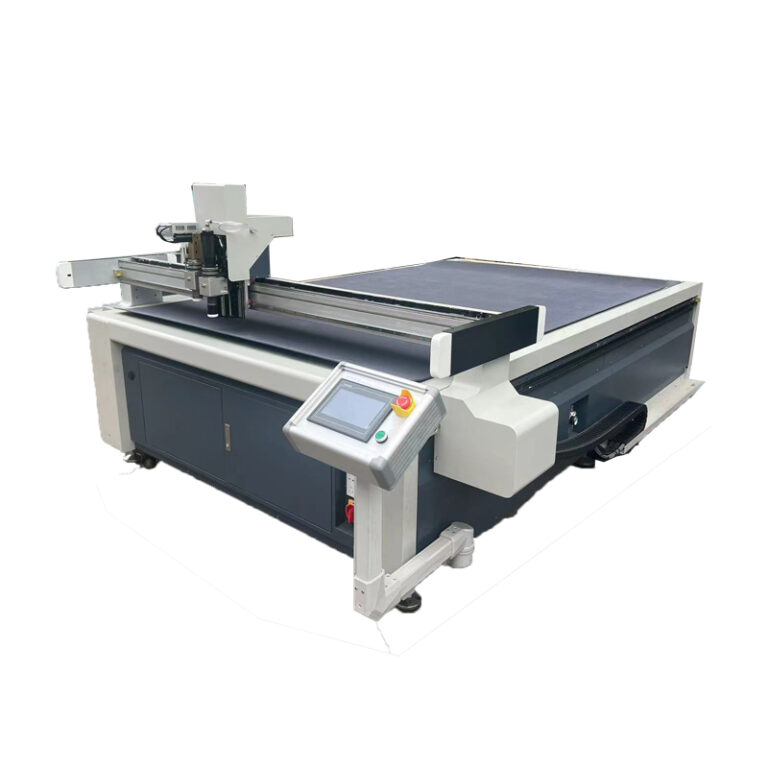
During due diligence, verify JEKE's CNC product manufacturer information, factory acceptance test checklist, and published Blog resources.
What a potential JEKE distributor can verify
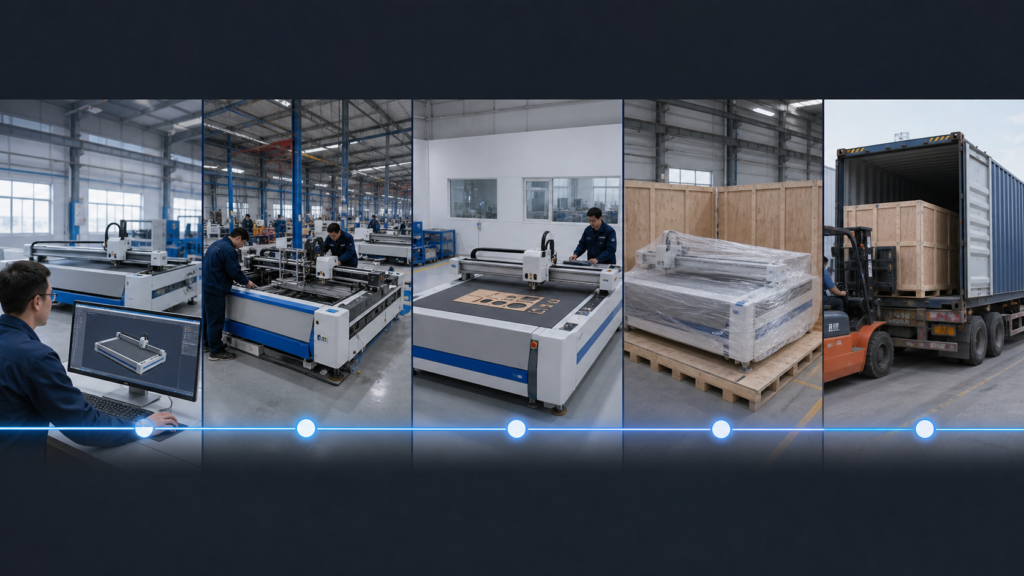
JEKE is a Dongguan-based manufacturer focused on oscillating knife cutting machines and automatic multi-layer cutting systems for flexible materials and selected packaging/display materials. JEKE supports material-based selection, customer sample cutting, remote technical support, operation training, installation and maintenance guidance. On-site and local support availability depends on the country, project and distributor coverage.
Before any partnership is finalized, the distributor should request the current product specifications, certification scope, documentation, training plan, service responsibilities, spare-parts plan and commercial terms. These items must be confirmed for the actual market and product scope.
Discuss a distributor partnership with JEKE and include your country, current product portfolio, customer industries, sales coverage and technical-service capability.
Frequently asked questions
Should a distributor ask for exclusivity first?
Usually not. First confirm product-market fit, training, service responsibilities, lead handling and realistic targets. Exclusivity has operational and legal consequences that should be negotiated with evidence and written terms.
Is a demo machine necessary?
It depends on the market, sales model and access to customer materials. A demo machine can support sample testing, training and exhibitions, but it also requires space, technicians, materials and maintenance.
What is the strongest proof of application fit?
A documented test using representative customer material, a real drawing, pre-defined acceptance criteria and the proposed configuration is stronger than a short promotional video.
How should a distributor evaluate after-sales support?
Review the escalation workflow, technician training, documentation, remote diagnostic method, parts process and responsibility matrix. Simulate an incident before relying on general support claims.
Sources and further reading
- Atlas Copco: Distributor onboarding, market support, training and demo resources
- Hypertherm: Separate sales, product and technical-service training for channel partners
- ABB: Channel roles covering distribution, technical application support, training and service
- Zünd: Installation, training, remote diagnostics, field service and spare-parts service chain
Last reviewed: August 20, 2026.