Buying a CNC fabric cutting machine for an apparel sample room is different from buying a cutter for mass production. A sample room does not only need speed. It needs fast style changeover, accurate sample pieces, clean CAD-to-cutting workflow, and stable results across different fabrics.
In a garment factory, the sample room is where new styles are tested before production. A small cutting mistake can affect sewing, fitting, pattern correction, and customer approval. That is why the buying decision should start with fabric type, ply count, pattern files, table format, vacuum holding, and real sample testing.
If you are still comparing machine types at an early stage, JEKE’s CNC knife cutting machine buyer checklist is a useful starting point. This guide goes deeper into apparel sample room requirements and explains what to check before choosing a CNC fabric cutting machine.
Quick Answer: What Should an Apparel Sample Room Check First?
Use this table as a first screening checklist before asking for a quotation.
| Check item | Why it matters |
|---|---|
| Fabric type | Knit, woven, stretch and coated fabric behave differently during cutting |
| Ply count | Sample rooms usually need single-ply or low-ply flexibility |
| Pattern workflow | CAD files, markers and nesting must move smoothly into cutting |
| Table / conveyor format | Roll-fed fabric often needs conveyor feeding |
| Vacuum holding | Fabric movement can create inaccurate pieces |
| Cutting accuracy | Notches, corners and seam allowance affect sewing |
| Style changeover | Sample rooms change styles more often than mass production lines |
| Supplier testing | Real fabric testing reduces the risk of buying the wrong configuration |
The best CNC fabric cutting machine for a sample room is not always the largest or fastest model. It is the machine configuration that matches your real fabric, sample workflow, and daily cutting volume.
Sample Room vs Mass Production Cutting
An apparel sample room is built around development speed. The team may cut one style in the morning, adjust a pattern after fitting, and prepare another sample batch in the afternoon. The cutting workflow must support frequent changes.
Mass production cutting usually focuses on high volume, layered spreading, stable repeat orders, and continuous efficiency. A sample room cares more about quick preparation, pattern accuracy, low waste, and the ability to switch from one fabric to another without a long setup process. Pathfinder’s low-ply cutter reference also shows why single-ply and low-ply workflows are often discussed separately from heavy production cutting.
This is why sample room buyers should be careful with one-size-fits-all advice. A high-capacity multi-layer cutter may look attractive on paper, but it may not be the most practical first step for sample development. In many cases, a flexible automatic fabric cutter with the right table size, feeding method, and software workflow is more useful than a machine chosen only for top speed.
If your factory already has a larger production line, the sample room cutter should fill a different role: testing patterns, cutting small batches, reducing manual cutting errors, and preparing stable pieces before style confirmation.
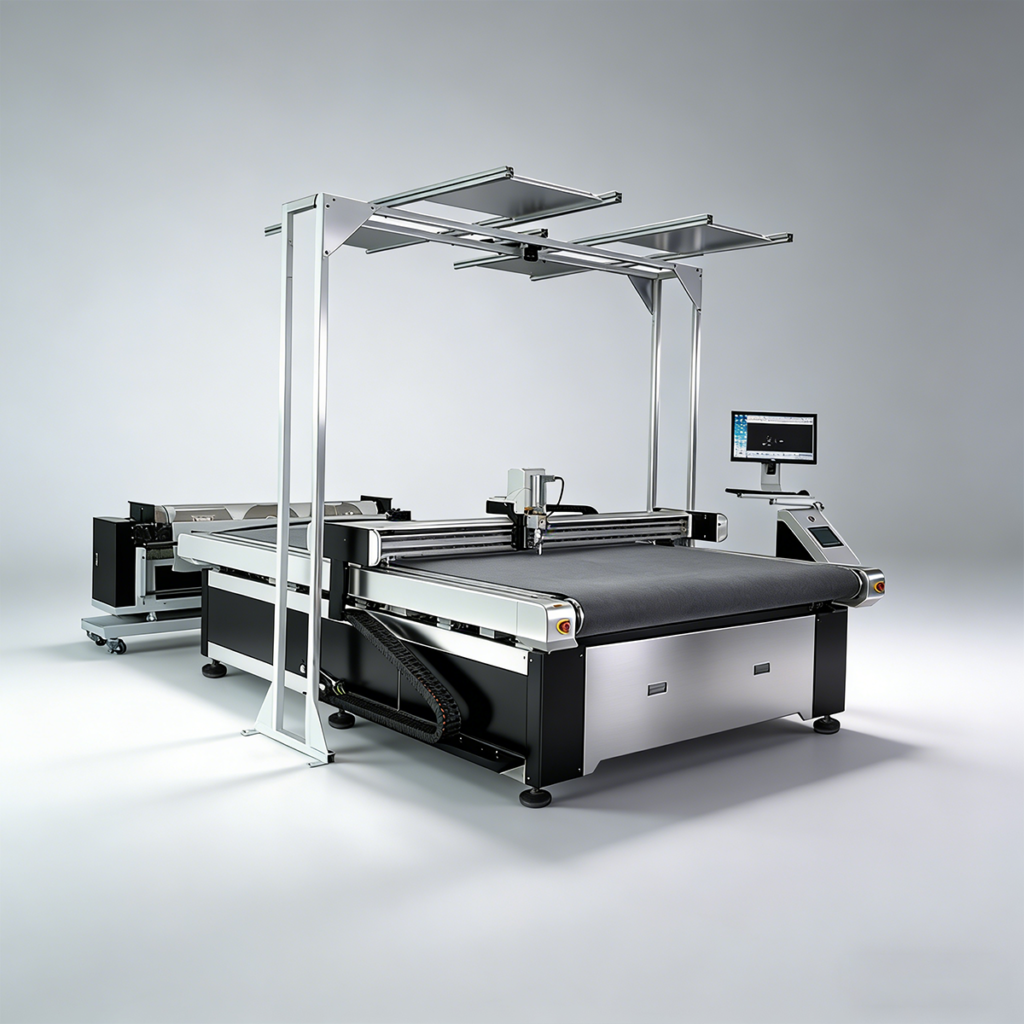
Single-Ply, Low-Ply or Multi-Layer: Which Fits Your Sample Room?
Before comparing machine prices, decide whether your sample room needs single-ply, low-ply, or multi-layer cutting.
Single-ply cutting means cutting one layer of fabric at a time. It is common in sample rooms because the team often works with new styles, changing materials, and small quantities. It is also useful when fabric distortion, print direction, or pattern accuracy is more important than output speed.
Low-ply cutting is a middle ground. It can fit small-batch apparel workshops that cut several layers of the same style but still need flexibility. If your sample room also prepares small production runs, low-ply cutting may be more efficient than pure single-ply cutting.
Multi-layer cutting is usually more relevant when the factory cuts a larger quantity of the same style. For a pure sample room, multi-layer capacity should not be the first buying criterion unless the daily work already includes repeated small production batches.
If you are comparing single-ply options, read JEKE’s guide to the single-ply fabric cutting machine. For most apparel sample rooms, the practical question is not “How many layers can the machine cut?” The better question is “Which ply count gives us accurate sample pieces with the least setup friction?”
Fabric Types You Need to Test Before Buying
The word “fabric” is too broad for machine selection. A CNC fabric cutting machine that performs well on one woven material may need different settings for stretch fabric, coated textile, denim, or technical fabric.
Woven fabric is often easier to control than highly elastic material, but you still need to check notches, small corners, seam allowance, and edge consistency.
Knit and stretch fabric require more careful testing. If the material moves, stretches, or recovers after cutting, the finished piece may not match the pattern.
Denim and thicker apparel fabrics bring a different challenge. You need to test edge quality, corner accuracy, tool wear, and whether the machine can maintain stable performance over repeated samples.
Printed or patterned fabrics may need extra attention. If the cutting path must follow printed graphics, stripes, checks, or directional patterns, ask whether a camera positioning workflow is needed. JEKE’s article on oscillating knife cutter vs laser cutter explains why heat effect, edge quality, smoke, and material safety should be checked before choosing a cutting method.
For apparel and textile buyers, JEKE’s textile fabric CNC cutting machine page can help you review the machine direction before final configuration testing.
Pattern File and Software Workflow
In a sample room, cutting speed is only one part of efficiency. The bigger bottleneck may be file preparation.
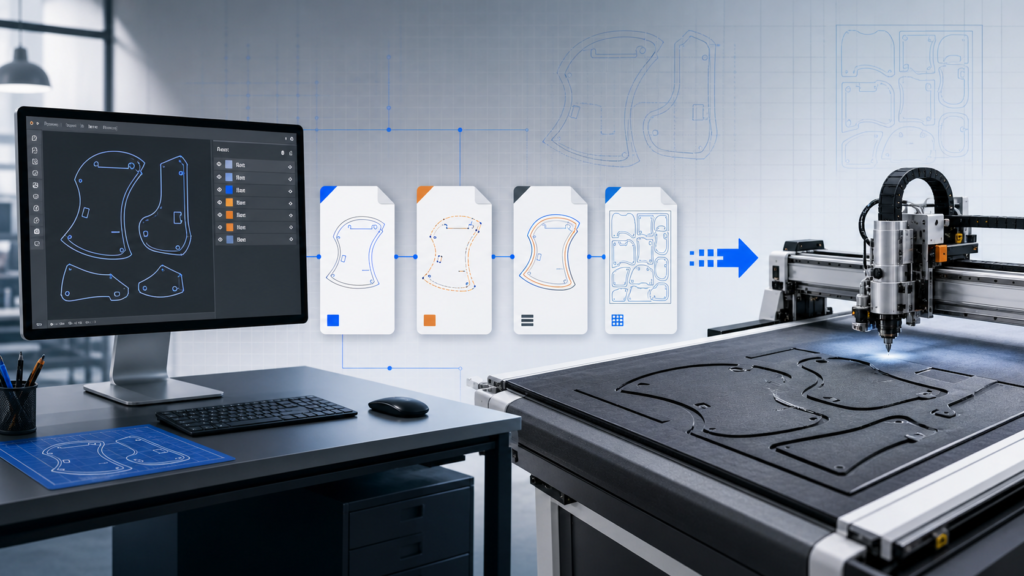
Your team may start from CAD patterns, DXF files, AI files, PLT files, marker files, or nesting software. If the machine workflow requires too many manual conversions, the operator can lose time before cutting even begins.
Before buying, ask these questions:
- Which file formats can the machine software import?
- Can the workflow accept the CAD pattern format your team already uses?
- Is marker making or nesting included, optional, or handled by separate software?
- Can the operator adjust cutting order, notches, grain direction, and spacing?
- How much training is needed before the sample room team can use the system every day?
Fashion software providers such as Gerber AccuMark by Lectra show how important pattern development and digital workflow are in apparel production. The key lesson is simple: a fabric cutter should fit the pattern process, not create a new bottleneck.
When you talk with a supplier, send a real pattern file if possible. A short test with your own file format is more useful than a general promise about “CAD support.”

Conveyor Feeding and Table Size
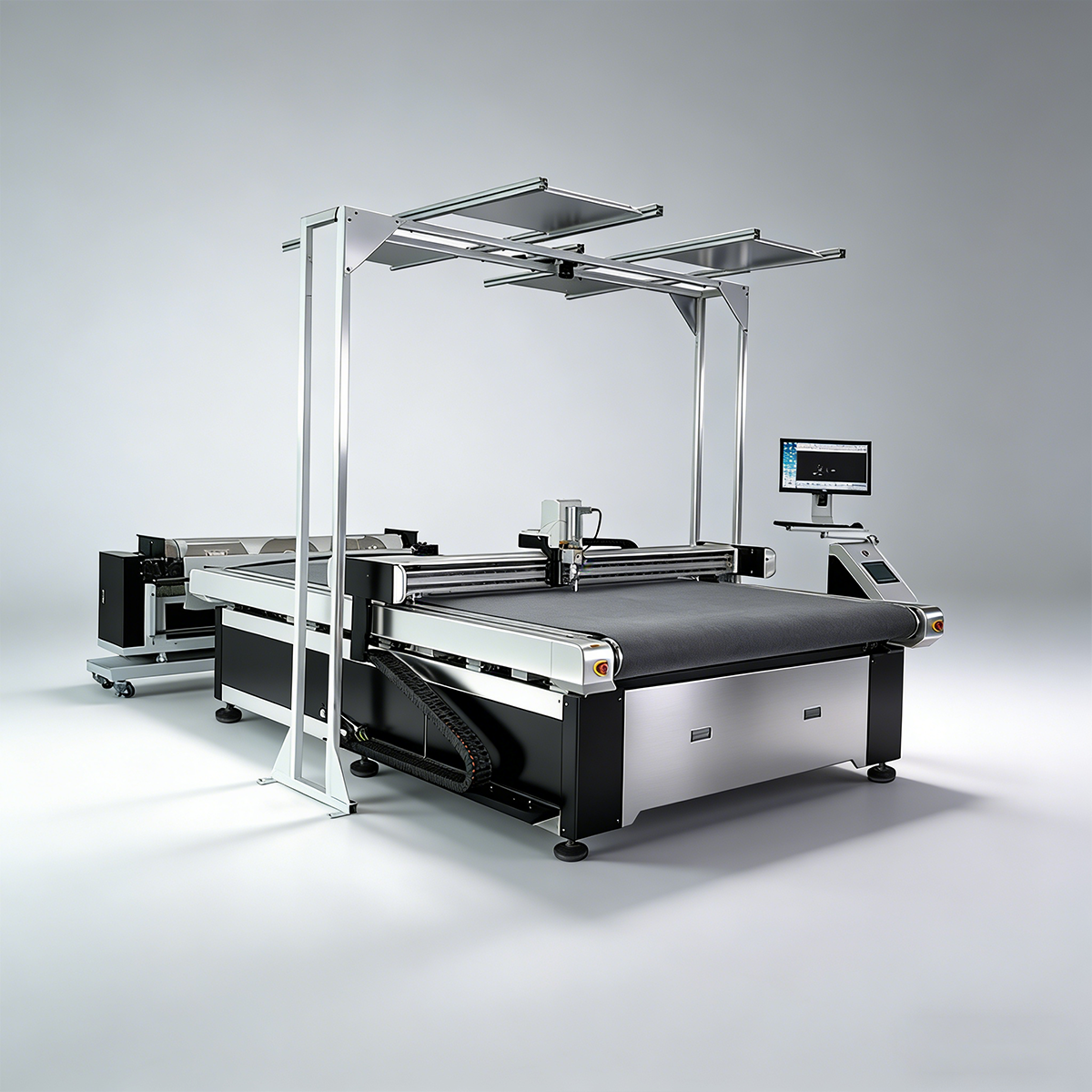
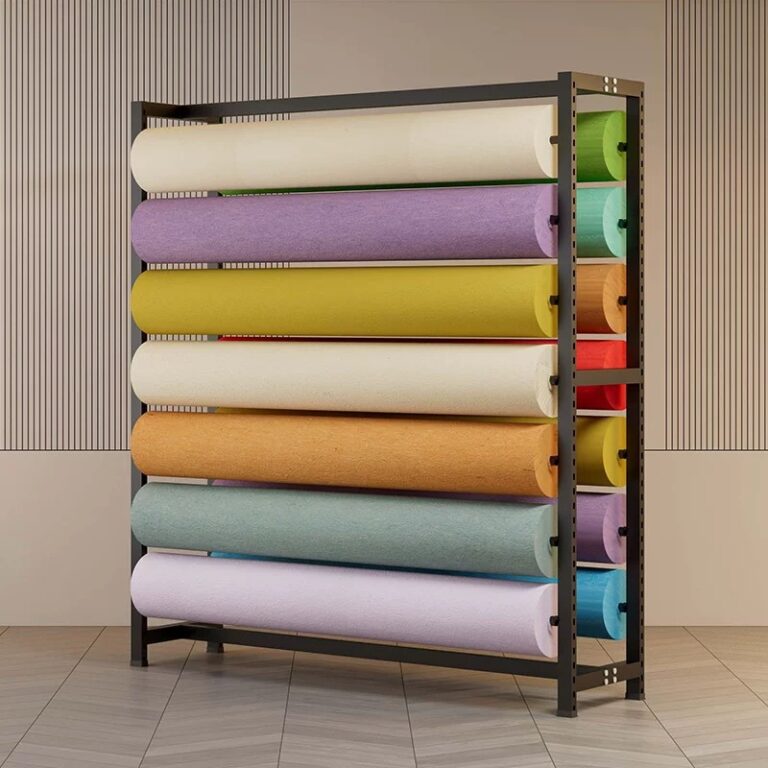
Many apparel sample rooms work with roll fabric. In that case, conveyor feeding may be more important than a larger static table.
A conveyor system helps move fabric through the cutting area and can support continuous roll-fed cutting. This is useful for repeated samples, small production batches, or longer pattern pieces.
A flatbed table can still be practical for sheet material, sample panels, special fabrics, or lower-volume development work.
Do not choose table size only by the largest number in a brochure. Check your common roll width, maximum pattern length, available workshop space, operator access, and whether your team needs continuous feeding.
If your work includes roll fabric and small-batch apparel cutting, JEKE’s automatic fabric cutter category is a better direction to review than a generic flatbed cutter.
For machine-level comparison, review the JK-1825 Automatic Fabric Cutter for sample room and textile cutting workflows, and the JK-2225 PRO CNC Multi Layer Cutting Machine when your work includes higher-layer production.
Vacuum Holding and Cutting Accuracy
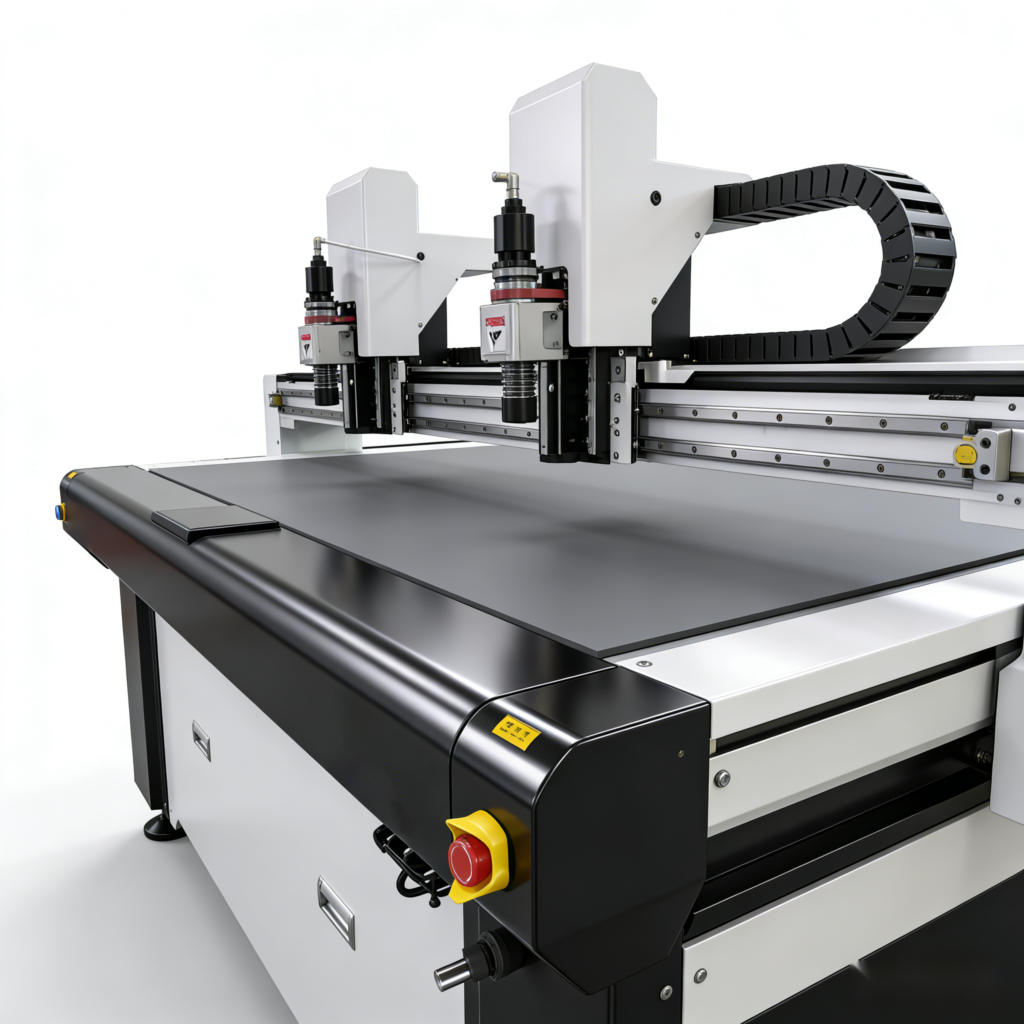
Fabric cutting accuracy depends on more than the blade path. The fabric must stay stable while the machine cuts.
If the material shifts during cutting, small errors can appear in seam allowance, notches, holes, curves, and corners. These errors may look minor on the cutting table but become obvious during sewing and fitting.
Vacuum holding helps keep fabric flat and stable, but not every material behaves the same way. Lightweight fabric, porous fabric, stretch fabric, and layered material can respond differently.
During testing, do not only check whether the machine finishes the cut. Check the details:
- Are the notches clean and easy for sewing staff to read?
- Do small curves remain smooth?
- Are sharp corners accurate?
- Does the fabric move during cutting?
- Are repeated pieces consistent?
- Does the final piece match the CAD pattern after fabric relaxation?
This is where sample room requirements become stricter than many buyers expect. The sample pieces must be accurate enough for pattern makers and sewing operators to trust.
Three Practical Buying Scenarios
Scenario 1: Fashion sample room
A fashion sample room may cut new patterns every day. The team needs to move from digital pattern to fabric sample quickly, then adjust the file after fitting. Manual cutting often creates inconsistent pieces when the workload grows.
For this use case, a single-ply or low-ply CNC fabric cutting machine is usually practical. It should support the team’s CAD workflow, cut notches accurately, and handle frequent style changes without long setup time.
Scenario 2: Small-batch apparel workshop
A small-batch workshop may produce short runs for many styles. The team needs repeatable output, shorter delivery time, and less dependence on manual cutting labor.
In this case, low-ply cutting and conveyor feeding may be worth checking. Calculate daily pieces, style change frequency, and whether roll-fed fabric handling can reduce manual work.
If budget is a major concern, JEKE’s article on automatic fabric cutting machine price can help you understand why table size, feeding system, tool configuration, and software options affect the final quotation.
Scenario 3: Printed or patterned fabric
Printed fabric can be more difficult than plain fabric. The cutting path may need to follow printed marks, stripes, checks, or a design direction.
For this scenario, ask whether camera positioning or recognition is needed. It can be important for printed panels, logo pieces, patterned fabric, or materials where visual alignment matters.
What to Send Before Asking for a Quote
A useful quotation requires more than the phrase “I need a fabric cutter.” Prepare the information that affects configuration.
Send the supplier:
- Fabric type and photos
- Roll width or sheet size
- Ply count target
- Sample room use, production use, or both
- CAD or pattern file format
- Maximum pattern size
- Daily cutting volume
- Need for conveyor feeding
- Need for camera positioning
- Photos or videos of current manual cutting workflow
- Example finished pieces or quality requirements
The more specific the information, the easier it is to avoid the wrong machine configuration.
How JEKE Can Help With Sample Testing
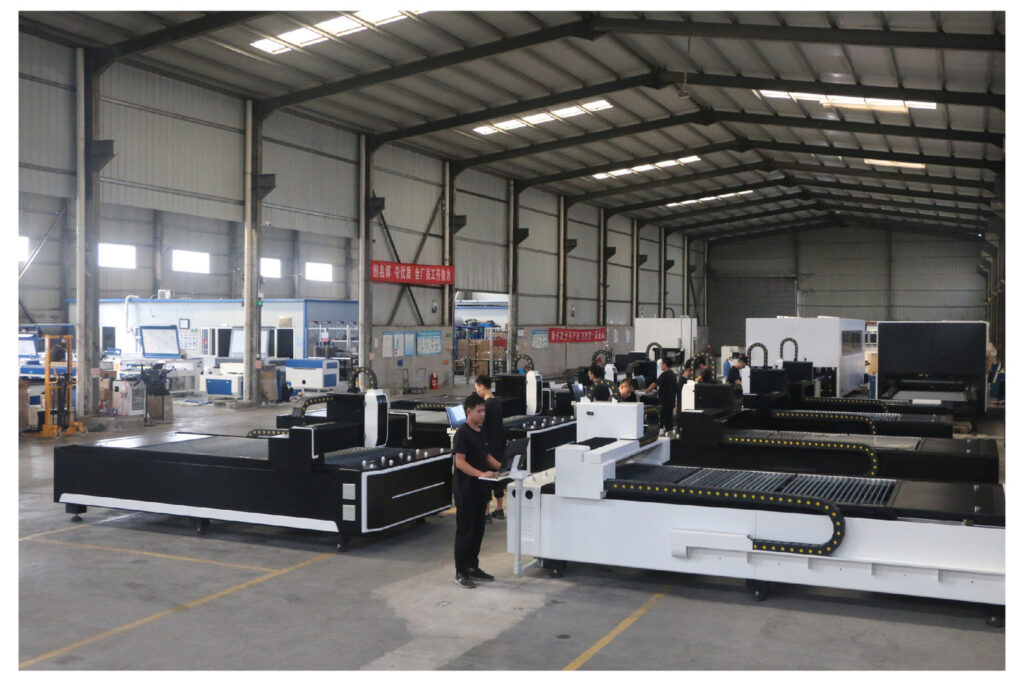
JEKE can review your fabric type, roll width, cutting size, pattern workflow, and production target before recommending a CNC fabric cutting machine configuration. The goal is to match the machine format, tool setup, feeding method, and software workflow to your sample room.
For some apparel sample rooms, the right answer may be single-ply cutting. For others, a low-ply conveyor fabric cutter may be more efficient. Printed fabric, stretch fabric, and coated textile should be tested before final confirmation.
The most useful next step is sample testing. Send JEKE your fabric samples, CAD file format, roll width, and sample cutting goal so the configuration can be checked against your real workflow.
If your apparel sample room is moving from manual cutting to digital fabric cutting, contact JEKE for sample testing and configuration review.
FAQ
What is the best CNC fabric cutting machine for an apparel sample room?
The best machine depends on fabric type, ply count, pattern workflow, and daily cutting volume. Many sample rooms start with single-ply or low-ply cutting because flexibility and accuracy matter more than maximum output.
Is single-ply cutting enough for sample rooms?
Single-ply cutting is often enough for sample development, custom apparel, and frequent style changes. If the sample room also cuts repeated small batches, low-ply cutting may be more efficient.
Do I need conveyor feeding for roll fabric?
If your sample room works mainly with roll fabric, conveyor feeding is worth checking. For sheet material or occasional samples, a flatbed format may still be practical.
Can CNC fabric cutters cut stretch fabric?
Many stretch fabrics can be cut with a CNC fabric cutter, but they need real testing. Vacuum holding, tool pressure, cutting speed, and fabric relaxation all affect accuracy.
What CAD files should I prepare?
Prepare the file format your team uses in daily work, such as DXF, AI, PLT, or CAD pattern files. If possible, send a real production pattern instead of a simplified test shape.
What should I send to JEKE before asking for a quote?
Send fabric type, fabric photos, roll width, target ply count, maximum pattern size, CAD file format, daily cutting volume, and whether you need conveyor feeding or camera positioning.
Conclusion
Choosing a CNC fabric cutting machine for an apparel sample room should start from the workflow, not the brochure. Check fabric behavior, ply count, pattern file compatibility, feeding method, vacuum holding, cutting accuracy, and sample testing before confirming the machine.
A good sample room cutter should help your team move from manual cutting to repeatable digital cutting without slowing down style development. A real sample test is the safest way to choose the right machine.