The automatic fabric cutting machine price depends on much more than the machine name. Table size, feeding method, layer count, fabric type, tool head, software workflow, camera options and after-sales support can all change the final configuration. That is why two machines that look similar online may have very different prices once they are matched to a real garment or textile production workflow.
For buyers, the better question is not “what is the cheapest fabric cutter?” It is “which configuration can cut my fabric accurately, fit my production volume and avoid unnecessary options?” A low price is not useful if the machine cannot handle stretch fabric, printed panels, long rolls or the daily cutting workload.
This guide explains what affects automatic fabric cutting machine price and what information to prepare before asking JEKE for a configuration-based quote.
Why automatic fabric cutting machine prices vary
Automatic fabric cutting machine price varies because each factory needs a different combination of cutting area, material handling, tool system, software and automation. A sample room cutting single-ply patterns has a different requirement from an apparel factory cutting daily production batches. A home textile producer cutting long panels may also need a different feeding setup from a sportswear factory cutting printed fabric.
The biggest cost drivers usually include:
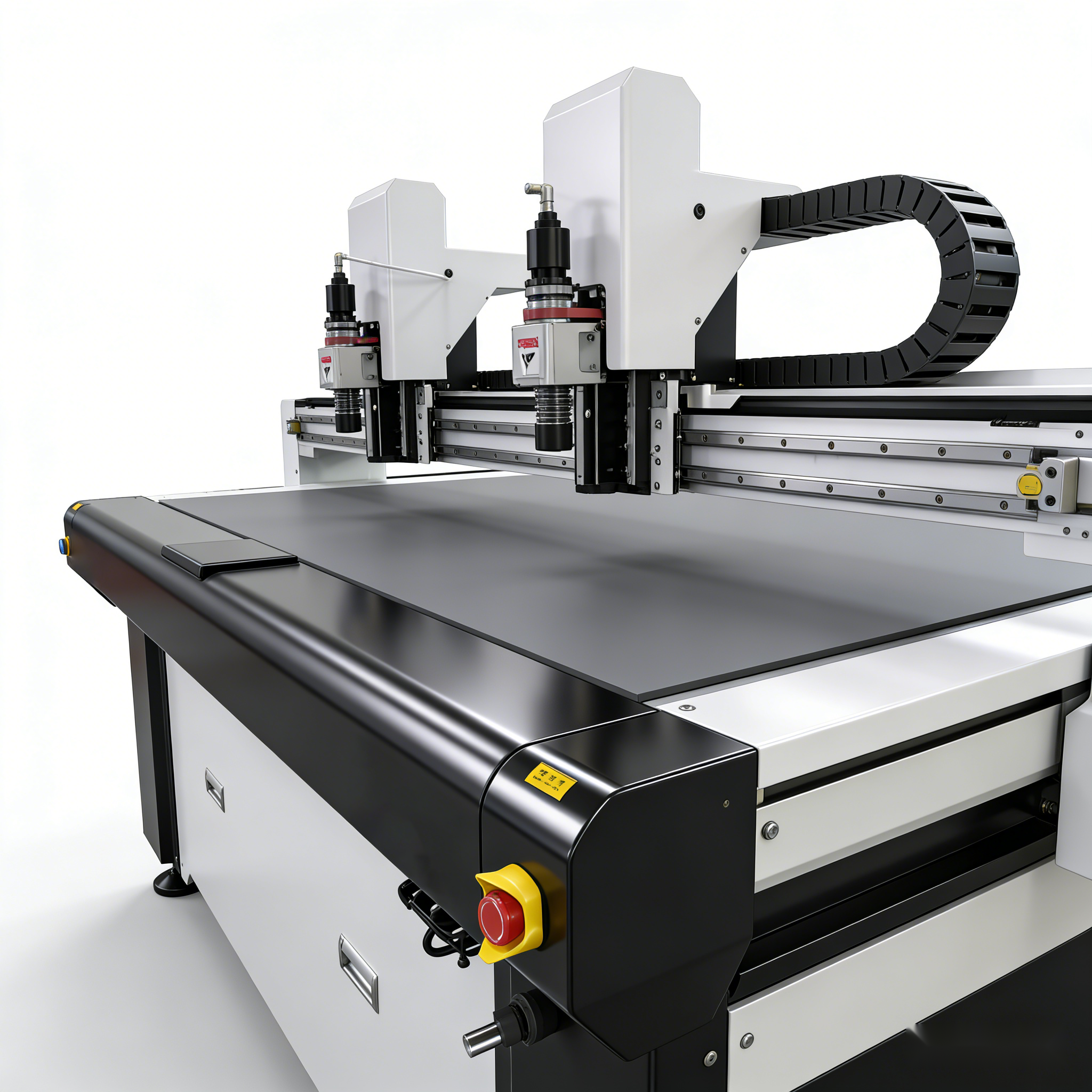
- Working table size
- Fixed table or conveyor feeding system
- Single-ply, low-ply or multi-layer cutting requirement
- Fabric type and material behavior
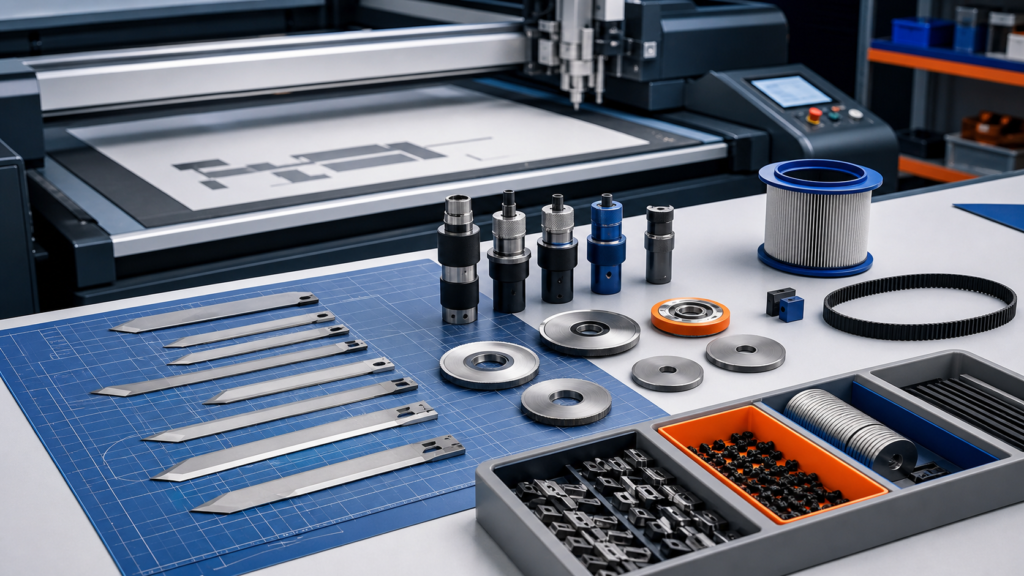
- Cutting tool and tool head options
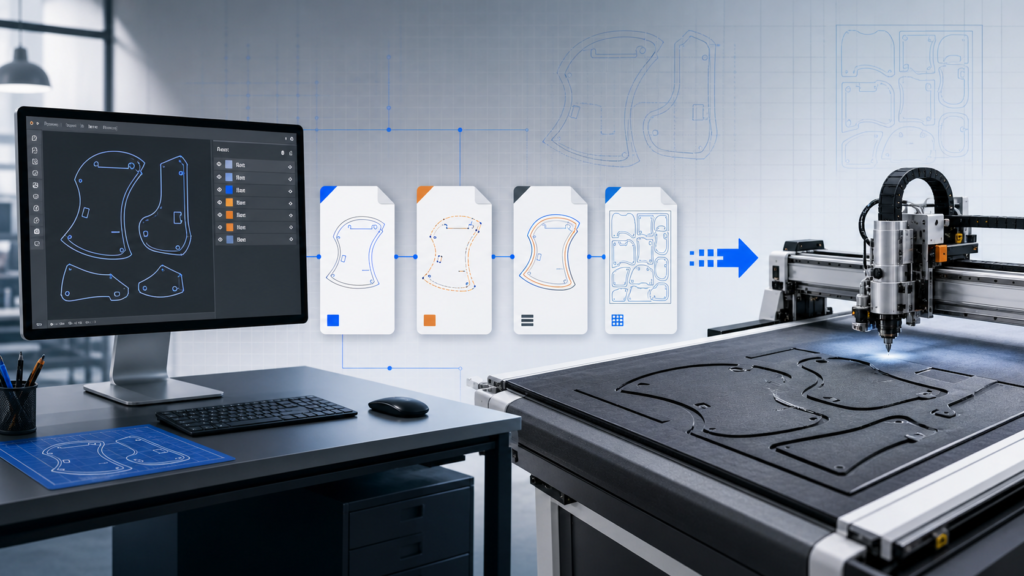
- CAD file import and nesting software
- Camera or projection positioning
- Vacuum system and material holding
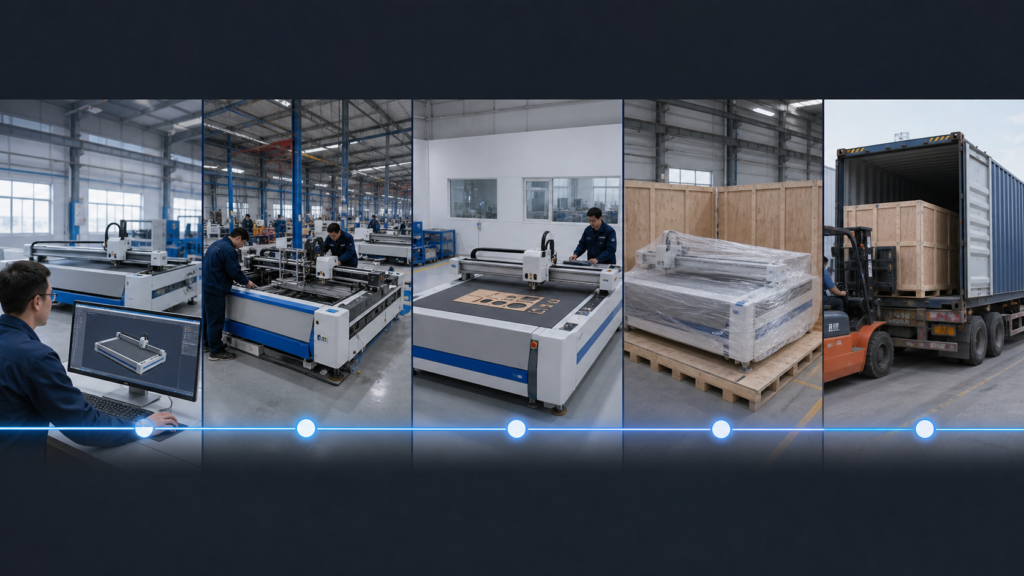
- Training, installation and service needs
Because of these variables, a responsible supplier should ask about your real material and production process before giving a final recommendation.
Price factor 1: single-ply, low-ply or multi-layer cutting
Layer count is one of the first factors to clarify. A machine used for single-ply fabric cutting is not always the same as a machine designed for thicker stacks or high-volume bulk cutting.
| Cutting mode | Best fit | Typical buyer | Price impact |
|---|---|---|---|
| Single-ply cutting | Samples, custom orders, printed fabric, technical textiles, delicate materials | Sample rooms, made-to-order apparel, sportswear, small-batch workshops | Usually depends more on accuracy, table size and software workflow |
| Low-ply cutting | Small to medium production, repeated patterns, flexible order mix | Apparel factories with mixed styles and moderate volume | May need stronger holding, stable feeding and better workflow control |
| Multi-layer cutting | Higher-volume production of repeated patterns | Larger garment factories, uniform producers, home textile suppliers | Often requires more robust material handling and cutting power |
Single-ply cutting can be the better choice when fabric is printed, stretchy, expensive, delicate or frequently changed. Multi-layer cutting can be useful when the pattern is stable and volume is high. The price difference comes from the mechanical structure, feeding method, table system and cutting requirement, not only the word “automatic.”
Price factor 2: table size and feeding system
The working area affects both cost and usability. If the cutting table is too small, operators must split patterns, reload fabric more often or change the workflow. If the table is far larger than needed, the buyer may pay for capacity that does not improve daily output.
| Configuration | When it fits | What to check |
|---|---|---|
| Fixed table | Sample rooms, small-batch jobs, materials cut in sheets | Maximum pattern size, loading convenience, operator space |
| Conveyor table | Roll fabric, continuous cutting, longer patterns | Feeding accuracy, fabric stability, production rhythm |
| Auto feeding support | Repeated roll-to-cut workflows | Roll width, fabric tension, alignment, unloading method |
| Larger working area | Long garments, home textile panels, large technical textile parts | Floor space, file layout, vacuum holding and loading method |
For many buyers, the feeding system is more important than they expect. A machine that cuts well on a small sample may not fit daily production if the operator must manually reload long fabric pieces all day.
Before requesting a quote, measure your largest pattern and your most common fabric roll width. These two numbers help narrow the machine size quickly.
Price factor 3: cutting tools and material type
Fabric is not one material. Woven cotton, knitted fabric, stretch sportswear material, felt, leather, technical textile and printed fabric behave differently during cutting. The tool setup should match the material, not just the machine category.
| Material type | Common challenge | Configuration note |
|---|---|---|
| Woven fabric | Fraying, pattern accuracy, repeated cutting | Stable vacuum and clean blade setup |
| Knitted fabric | Stretch and distortion | Good material holding and controlled cutting speed |
| Printed fabric | Pattern alignment and print distortion | Camera or projection option may be needed |
| Leather | Thickness variation, surface quality | Stronger tool matching and material test recommended |
| Felt | Edge quality and thickness | Tool pressure and speed need adjustment |
| Lace or delicate textile | Deformation and small details | Careful sample testing before purchase |
| Technical textile | Density, coating, stiffness or special fibers | Tool selection must be confirmed with real samples |
This is why JEKE should see your material before finalizing a machine recommendation. A fabric cutting machine for standard woven fabric may not be the right answer for sublimation printed fabric, leather panels or industrial textile parts.
Price factor 4: software, nesting and camera options
The machine hardware is only one part of the total workflow. Software can affect material utilization, operator speed and how easily the factory moves from pattern design to cutting.
Important software and positioning options include:
- CAD file import for common pattern files
- Nesting to reduce fabric waste
- Cutting path editing and layer management
- Projection positioning for pattern layout
- Camera recognition for printed fabric or contour cutting
- Workflow settings for different material types
- Repeat job storage for future orders
For factories cutting simple repeated parts, basic file import and nesting may be enough. For printed fabric, sportswear panels or sublimation materials, camera positioning may become a key part of the quote. For mixed material workshops, easier job setup and saved parameters can reduce operator mistakes.
When comparing price, ask what software functions are included and what functions require extra configuration. A cheaper machine can become expensive if it slows down pattern preparation or wastes material every day.
What information to send for an accurate JEKE quote
The fastest way to get a useful automatic fabric cutting machine price is to send clear production information. Without these details, any price is only a rough guess.
- Fabric type: Include woven fabric, knitted fabric, leather, felt, technical textile, printed fabric or other materials.
- Material thickness and layer count: Tell JEKE whether you cut single ply, low ply or multiple layers.
- Maximum pattern size: Share the largest part or garment panel you need to cut.
- Fabric roll width or sheet size: This helps confirm table size and feeding method.
- Daily or monthly output target: Production volume affects automation and feeding recommendations.
- File format and design workflow: Mention whether you use DXF, AI, PDF, PLT or other files.
- Need for nesting, projection or camera positioning: Printed fabric and contour cutting may need additional positioning functions.
- Sample file and material photos: These help the supplier understand the real shape complexity and material behavior.
- Country and workshop conditions: Voltage, installation environment and service requirements can affect the final plan.
- Main business goal: Explain whether you want faster samples, lower labor cost, less fabric waste, higher output or more accurate custom orders.
With these details, JEKE can recommend a practical configuration instead of giving a one-size-fits-all quote.
Is a lower-cost fabric cutter enough?
Sometimes a lower-cost cutter is enough. If a workshop only cuts simple shapes, thin materials and very small volumes, a basic cutting solution may work. But buyers should be careful when comparing handheld electric cutters, small desktop cutters, laser machines and industrial automatic fabric cutting systems as if they were the same category.
An automatic fabric cutting machine is usually chosen when the factory needs repeatability, cleaner workflow, digital file control, lower manual cutting labor and better consistency across orders.
Before choosing the lowest price, ask these questions:
- Can it cut my fabric without pulling, stretching or shifting?
- Can it handle my largest pattern size?
- Can it support my daily production volume?
- Does it work with my pattern file format?
- Does it reduce waste through nesting or better layout?
- Can the supplier test my real material before I buy?
- Will the machine still fit my workflow after order volume grows?
If the answer is unclear, a sample cutting test is safer than buying only by price.
How JEKE helps match price to configuration
JEKE’s automatic fabric cutting solutions are designed for buyers who need a machine matched to real material and workflow. Instead of treating price as a single number, JEKE can help evaluate the fabric, cutting size, feeding method, tool option and software needs.
For apparel and textile buyers, useful starting points include:
- Automatic fabric cutter options for garment and textile production
- Application materials for fabric, leather, sponge, EVA, rubber, PVC, carpet and other flexible materials
- JEKE’s broader digital cutting machine category for mixed material workflows
If your factory is comparing machine options, send JEKE your fabric sample, cutting file, layer count and production target. The team can recommend a configuration and quote based on what your workshop actually needs.
Automatic fabric cutting machine price is mainly shaped by configuration. Table size, feeding system, layer count, fabric type, tool head, software and camera options all affect the final recommendation.
For buyers, the best approach is to define the workflow first, then ask for a quote. A machine that is too basic may fail to cut the right material. A machine that is too large or overconfigured may add cost without improving production.
If you need a practical price estimate, prepare your fabric information and cutting requirements, then contact JEKE for a configuration-based quote. A real material test and clear workflow details will give you a much better answer than a generic price list.