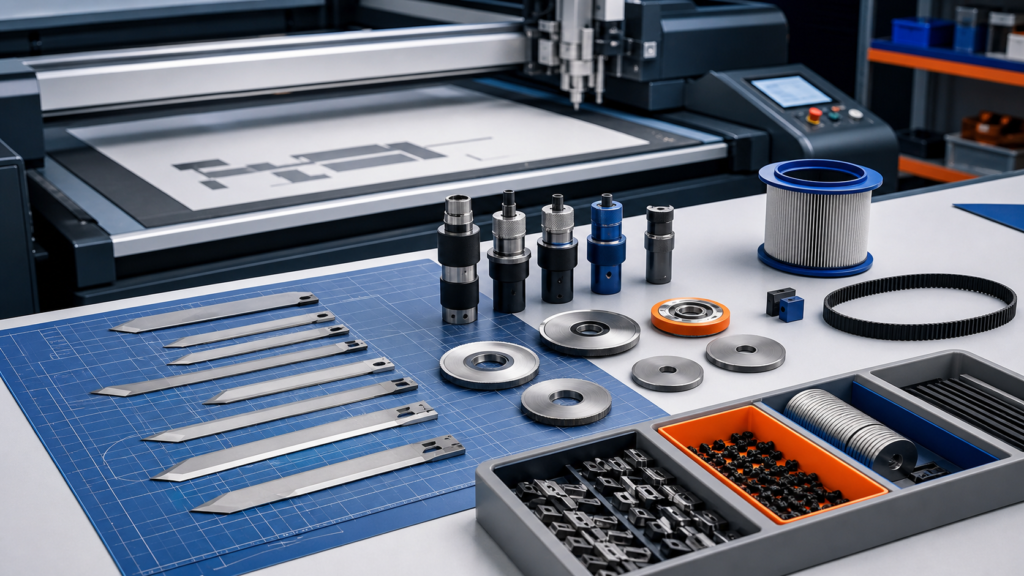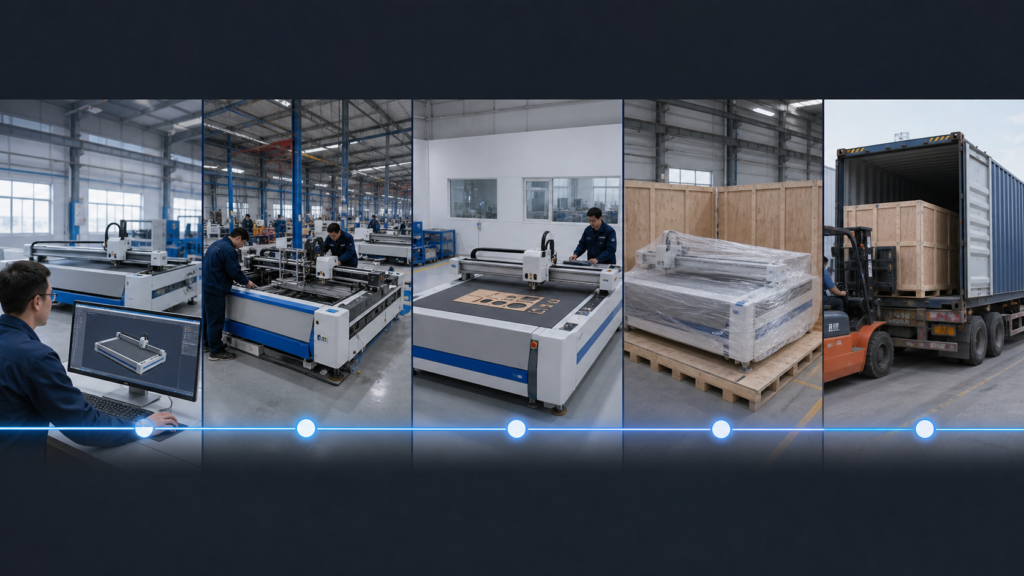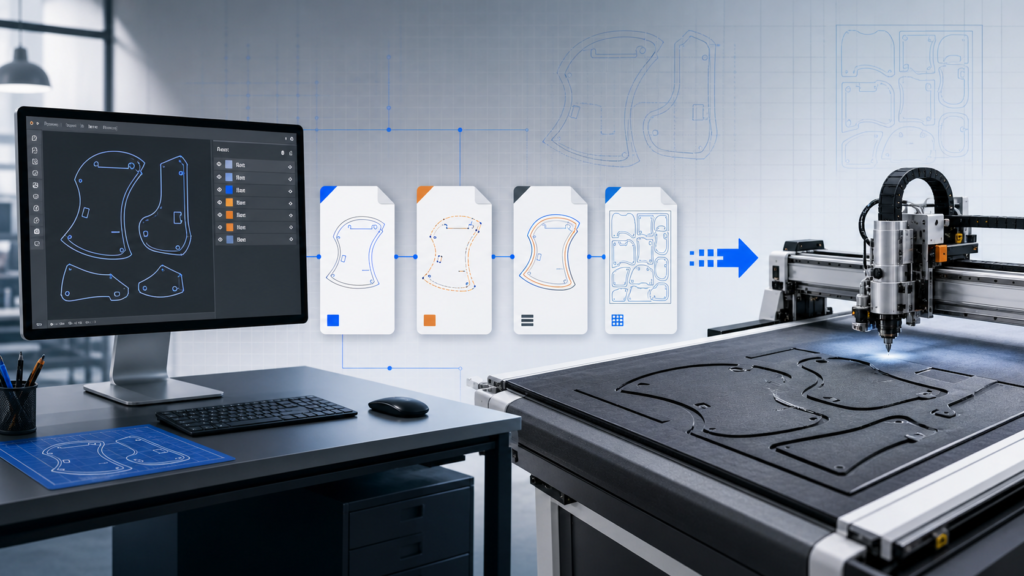

Choosing between a single ply and multi-layer fabric cutting machine is not a question of which machine is more advanced. The right choice depends on your production style, order quantity, fabric behavior, spreading workflow, labor cost, and accuracy requirement.
A sample room may need fast style changeover and accurate one-off pieces. A small-batch apparel workshop may need low-ply flexibility with better output than manual cutting. A bulk production cutting room may need multi-layer cutting, spreading support, and stable marker efficiency. These are different workflows, so they should not be forced into the same machine decision.
This guide compares single-ply, low-ply and multi-layer fabric cutting for apparel production. If you are searching for a single ply vs multi-layer fabric cutting machine decision, start by matching the cutting setup to your order structure. If your main concern is sample room buying, start with JEKE’s guide to a CNC fabric cutting machine for apparel sample rooms. If your question is broader production fit, use the checks below before asking for a quote.
Quick Answer: Which Fabric Cutting Setup Fits Your Production?
Use this table as the first filter. It will not replace a real fabric test, but it helps you decide which direction should be discussed with the supplier first.
| Production situation | Better first direction | Why |
|---|---|---|
| Sample room / product development | Single-ply | Frequent style changes and accuracy matter more than speed |
| Custom apparel / made-to-order | Single-ply or low-ply | Small quantities and fabric variety |
| Small batch repeated styles | Low-ply | Better balance between flexibility and output |
| Stable bulk apparel production | Multi-layer | Higher output per marker and per shift |
| Stretch or difficult fabric | Test before deciding | Layers can move, stretch or distort |
| Roll-fed continuous cutting | Conveyor fabric cutter | Reduces manual handling |
The wrong way to choose is to ask only, “How many layers can it cut?” A better question is, “Which setup gives our factory the best mix of accuracy, output, changeover speed, and labor reduction?”
What Single-Ply Fabric Cutting Means
Single-ply cutting means cutting one layer of fabric at a time. It is commonly used in sample rooms, custom apparel, small orders, technical textiles, printed pieces, and jobs where accuracy is more important than maximum output.
The main advantage is flexibility. Operators can switch styles quickly, test new patterns, and handle different fabrics without preparing a large fabric lay. This matters when the factory cuts many styles in small quantities or when the cutting team works closely with pattern makers.
Single-ply cutting also makes it easier to inspect the result. If a notch, curve, hole or seam allowance is wrong, the problem can be seen immediately. For sample development and custom production, this can reduce rework.
The limitation is output. If your factory cuts hundreds or thousands of identical pieces from the same fabric every day, pure single-ply cutting may be too slow. In that case, low-ply or multi-layer cutting should be tested.
For a deeper sample room discussion, read JEKE’s single-ply fabric cutting machine guide. For a machine direction, the JK-1825 Automatic Fabric Cutter is relevant when buyers need flexible fabric cutting for apparel and textile workflows.

What Multi-Layer Fabric Cutting Means
Multi-layer fabric cutting means cutting several layers of fabric in one cutting job. It is used when the factory needs higher output from the same marker and the style is stable enough to justify spreading multiple layers.
The benefit is productivity. A multi-layer cutter can produce more pieces per cutting cycle, which is useful for bulk apparel production, repeated styles, and larger orders. When fabric spreading, vacuum holding, cutting parameters, and offloading are well managed, multi-layer cutting can reduce unit labor cost.
But multi-layer cutting is not automatically better. More layers also mean more attention to fabric spreading, alignment, compression, and layer movement. If the fabric shifts between layers, the top piece and bottom piece may not match exactly. This can create sewing problems later.
The decision should be based on real production conditions. How many pieces do you cut per style? How often does the style change? Can the fabric be spread evenly? Does the material stretch, slide, compress, or relax after cutting? These questions matter more than the maximum layer number in a brochure.
For buyers comparing higher-output fabric cutting, the JK-2225 PRO CNC Multi Layer Cutting Machine is the product direction to review.
Low-Ply Cutting: The Middle Option Many Buyers Miss
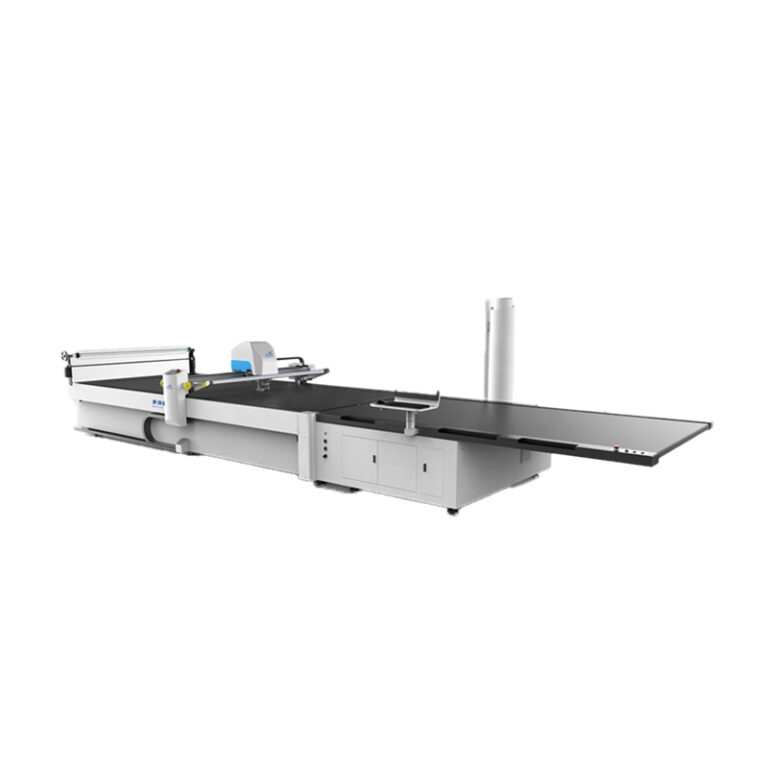
Many apparel factories are not purely single-ply and not ready for high-volume multi-layer cutting. They produce small batches, repeat some styles, change fabrics often, and need shorter delivery times. For this group, low-ply cutting can be the practical middle option.
Low-ply cutting means cutting a small number of layers rather than only one layer or a high stacked lay. It can improve output compared with single-ply cutting while keeping more flexibility than full multi-layer production.
Pathfinder’s low-ply cutter reference describes single-ply and low-ply machines as useful for fashion and other fabric applications, with conveyorized cutting and multiple widths. That matches the buying logic for many short-run apparel workshops: the factory needs better productivity, but still needs flexibility.
Low-ply cutting is especially useful when:
- Orders are small but repeated
- Styles change weekly or daily
- The factory cuts roll fabric
- The team wants to reduce manual cutting labor
- The material is not stable enough for high-layer cutting
- The business needs faster turnaround without losing accuracy
If this sounds like your workflow, start from JEKE’s automatic fabric cutter category instead of jumping directly to the largest machine.
Compare by Workflow, Not Only Ply Count
Ply count is important, but it is not the full decision. A factory should compare the whole cutting workflow.
| Decision factor | Single-ply / low-ply | Multi-layer |
|---|---|---|
| Style changes | Strong for frequent changes | Better when styles are stable |
| Output per marker | Lower to medium | Higher |
| Fabric spreading | Simpler | More important |
| Accuracy control | Easier to inspect | Depends on stable layers |
| Labor reduction | Helps sample and small-batch teams | Helps bulk production teams |
| Best fit | Sample, custom, short runs | Stable production |
CAD workflow also matters. Pattern files, marker making, nesting, cut order, notches, drill holes and operator training can decide whether the cutting room is efficient. A fast cutter with a slow file workflow will still slow the team down.
Lectra’s Virga Fashion page connects single-ply digital cutting with on-demand production and small series. This is a useful reminder that single-ply cutting is not only a machine format. It is also a production strategy for smaller quantities and faster style response.
Fabric Behavior Can Change the Answer
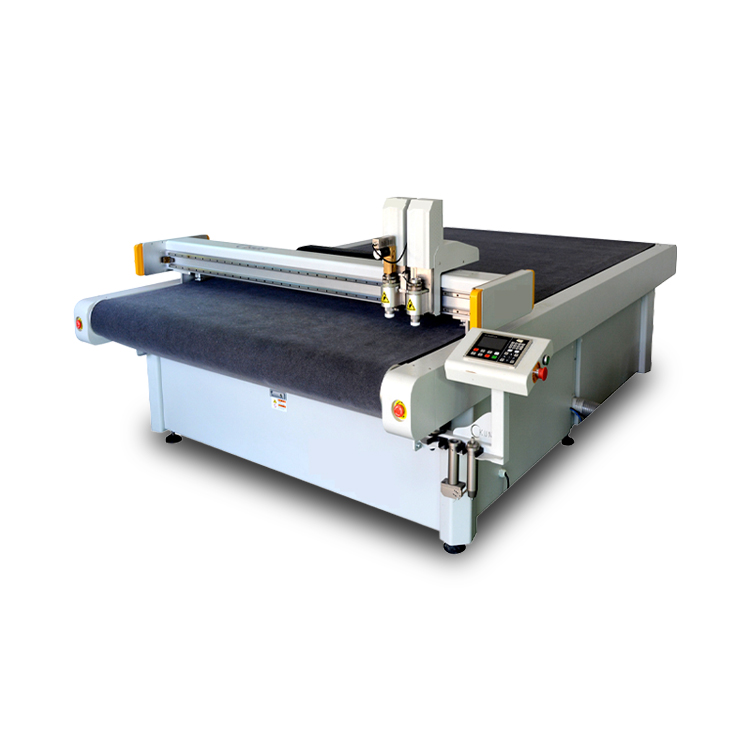
Fabric behavior can change the decision between single-ply, low-ply and multi-layer cutting.
Stable woven fabrics are usually easier to cut in multiple layers than stretch or slippery fabrics. Knit and stretch materials may move during spreading or cutting. Lightweight fabric may lift or shift if vacuum holding is not strong enough. Coated textile may need different tool pressure and cutting speed. Denim and heavy fabric may require stronger cutting force and careful layer control.
This is why a factory should not decide only from the fabric name. Two fabrics with the same general category can behave differently because of weight, coating, finish, elasticity, backing, or surface friction.
For difficult materials, single-ply or low-ply cutting may give better control. For stable materials and repeated styles, multi-layer cutting may improve output. The safest answer comes from sample testing with the actual fabric, target ply count, and real pattern file.
If your team cuts apparel or textile materials with different fiber content, JEKE’s textile fabric CNC cutting machine page can help you review the fabric cutting direction. If you are also comparing heat cutting and knife cutting, this guide on oscillating knife cutter vs laser cutter explains why edge quality, smoke, heat effect and material safety should be tested.
Spreading, Conveyor Feeding and Table Size
Multi-layer cutting depends heavily on spreading. If the fabric lay is not stable, the cutting machine cannot solve all accuracy problems by itself. Spreading tension, fabric relaxation, alignment and layer height all affect the final pieces.
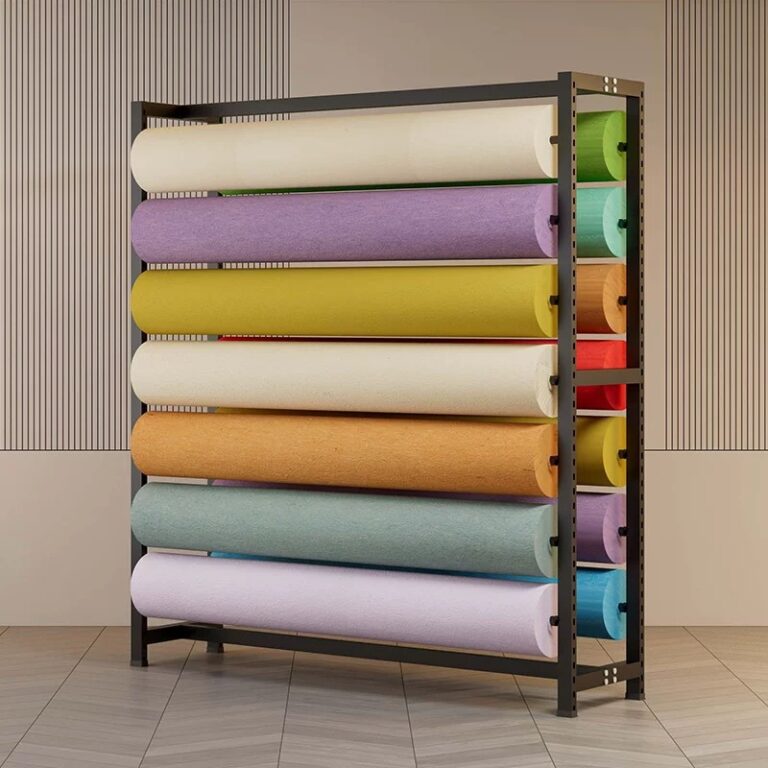
Single-ply and low-ply cutting usually have simpler preparation, but they still need the right table size and feeding method. Roll fabric may benefit from conveyor feeding because the material can move through the cutting zone with less manual handling. Sheet material or occasional sample panels may not need the same setup.
Before choosing a machine, prepare three numbers:
- Common roll width
- Maximum marker length
- Target ply count
These numbers are more useful than asking for a generic machine recommendation. They help the supplier judge table format, conveyor length, vacuum zones, feeding method and tool configuration.
Three Practical Buying Scenarios
Scenario 1: Sample room and custom apparel
A sample room or custom apparel team often cuts one style, checks the sewing result, adjusts the file, then cuts another version. The team needs accuracy and fast changeover more than maximum output.
For this workflow, single-ply cutting is usually the first direction to test. Low-ply may also work if the team cuts small repeated orders. The key is to keep the CAD file workflow simple and the cutting result consistent.
Scenario 2: Small-batch production workshop
A small-batch apparel workshop may cut many short orders every week. Manual cutting becomes slow, but high-volume multi-layer cutting may be too rigid.
This is where low-ply cutting and conveyor feeding can make sense. The factory can improve output without losing too much flexibility. The buyer should calculate daily cutting volume, average quantity per style, fabric width, and style changeover frequency before confirming the machine.
Scenario 3: Stable bulk apparel production
A stable bulk production line cuts repeated styles in larger quantities. The factory cares about output per shift, marker efficiency, spreading workflow, and labor cost per piece.
For this workflow, multi-layer cutting is usually the better direction. But the buyer still needs to test fabric stability, layer alignment, vacuum holding and cutting accuracy across top and bottom layers.
What to Send Before Asking for a Quote
A useful quote requires production details. Send the supplier real information instead of only asking for a model price.
Prepare:
- Fabric type and fabric photos
- Roll width
- Target ply count
- Order quantity per style
- Daily cutting volume
- Maximum marker length
- CAD or pattern file format
- Sample room use, production use, or both
- Current spreading method
- Need for conveyor feeding
- Accuracy requirements
- Current manual cutting pain point
If you are comparing budgets, JEKE’s automatic fabric cutting machine price guide explains why table size, feeding system, tool setup, software and material type affect the final quotation.
JEKE Recommendation
JEKE does not recommend choosing a fabric cutting machine only by maximum layer count. The better method is to match the cutter to your order structure, fabric behavior, spreading workflow, table size, operator process and accuracy requirement.
If your team handles samples, custom pieces and frequent style changes, single-ply or low-ply cutting should be tested first. If your factory cuts stable styles in larger quantities, multi-layer cutting may reduce labor cost and improve output. If your production sits between these two situations, low-ply conveyor cutting may be the most practical starting point.
Send JEKE your fabric samples, roll width, target ply count, pattern file format and daily cutting target. Our team can help compare single-ply, low-ply and multi-layer options before you confirm the configuration.
For a configuration check, contact JEKE with your production details.
FAQ
Is single-ply cutting better than multi-layer cutting?
No. Single-ply cutting is better for flexibility, sample development, custom orders and frequent style changes. Multi-layer cutting is better when the factory cuts stable styles in larger quantities.
When should a factory choose a multi-layer fabric cutting machine?
Choose multi-layer cutting when order quantities are large enough, styles are stable, fabric can be spread consistently, and the factory needs higher output per shift.
What is low-ply fabric cutting?
Low-ply cutting means cutting a small number of fabric layers. It is useful for small-batch production because it improves output while keeping more flexibility than high-layer production cutting.
Can stretch fabric be cut in multiple layers?
It depends on the material and target accuracy. Stretch fabric can move, recover or distort, so real sample testing is necessary before confirming multi-layer cutting.
Do I need a spreading machine?
If your factory plans to cut multiple layers regularly, spreading workflow becomes important. A spreading machine may help improve fabric lay consistency and reduce manual labor.
What information should I send to JEKE before quotation?
Send fabric type, roll width, target ply count, order quantity per style, daily cutting volume, CAD file format, maximum marker length, and whether you need conveyor feeding or spreading support.
Conclusion
Single-ply, low-ply and multi-layer fabric cutting machines solve different production problems. Single-ply supports flexibility and accurate style changes. Low-ply balances short-run productivity and flexibility. Multi-layer cutting supports stable bulk output when spreading and fabric control are reliable.
Before choosing, test your actual fabric, pattern file, target ply count and production workflow. If you are not sure which direction fits your factory, send JEKE your production details and request a configuration check.