
Choosing a rubber gasket cutting machine is not only a question of cutting speed. Gasket parts must fit bolt holes, sealing surfaces and mating parts. A rough edge, shifted inner hole or incomplete cut can make the part unusable even if the outer shape looks close.
For custom gasket suppliers, maintenance workshops and industrial sealing manufacturers, CNC knife cutting is useful because many gasket jobs are small-batch, variable-shape and material-specific. The machine must handle rubber, silicone, cork, PTFE, graphite or non-asbestos sheets according to the real job, not only the material name.
This guide explains how to choose a rubber gasket cutting machine by material, thickness, hardness, inner-hole design, tool configuration and quote information. If you are still comparing flexible material cutting systems in general, read JEKE’s CNC knife cutting machine buyer checklist first, then use this gasket guide to narrow the configuration.
Quick Answer: Which Gasket Cutting Setup Fits Your Job?
Use this table as a first decision filter.
| Gasket job | Better first direction | What to test |
|---|---|---|
| Thin rubber gasket | Digital knife cutting machine | Edge quality and bolt-hole spacing |
| Thicker elastic rubber | Stronger knife or pneumatic tool setup | Complete cutting and material rebound |
| Silicone gasket | Knife cutting with pressure control | Deformation and hole accuracy |
| PTFE or harder sheet | Stronger tool configuration | Edge finish and cutting resistance |
| Cork or fiber gasket | Oscillating knife workflow | Dust, edge roughness and repeatability |
| Mixed-material gasket shop | Multi-tool digital cutting system | Tool change and material database |
If the job is only simple rubber sheet cutting, the decision may be easy. If the gasket has small holes, narrow rings, dense bolt patterns or thick elastic material, the buyer should test the actual drawing before confirming the machine.
What a Rubber Gasket Cutting Machine Does
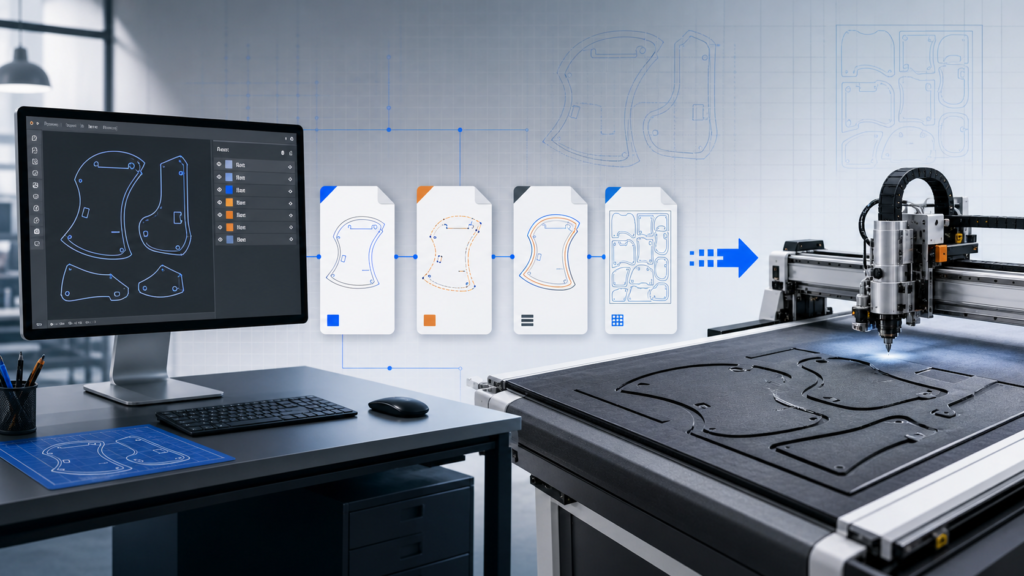
A rubber gasket cutting machine uses a digital cutting file to cut gasket shapes from sheet material. The operator can cut outer contours, inner holes, slots, rings and custom shapes without making a physical die for every design.
This is useful for:
- replacement gasket production
- small-batch custom gasket orders
- prototype seals
- maintenance and repair workshops
- mixed material gasket suppliers
- engineering sample rooms
For variable jobs, digital cutting can reduce manual cutting time and die cost. It also helps keep the drawing file for repeat orders. When the same customer returns later, the operator can load the file, check the material and cut another batch.
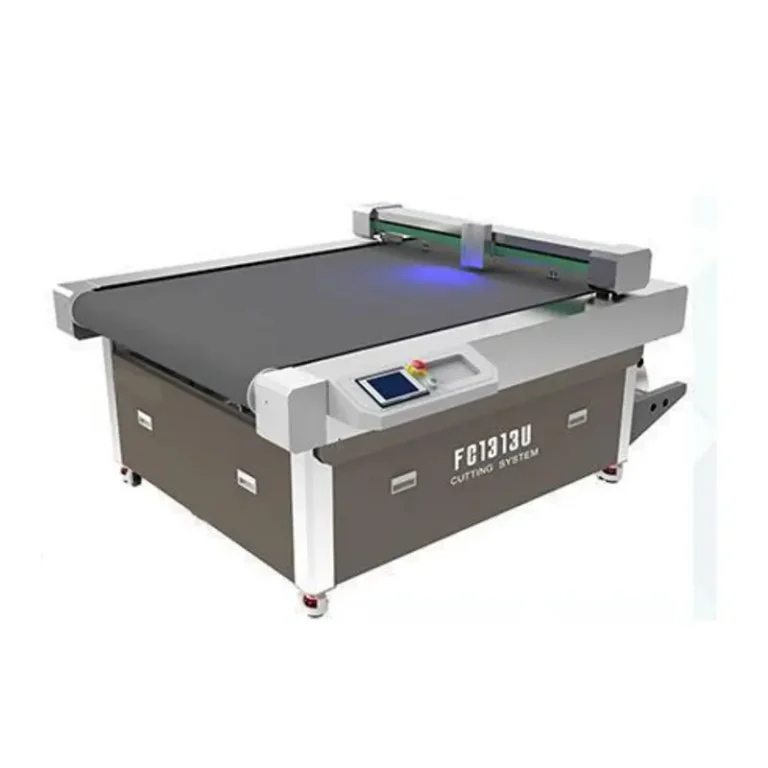
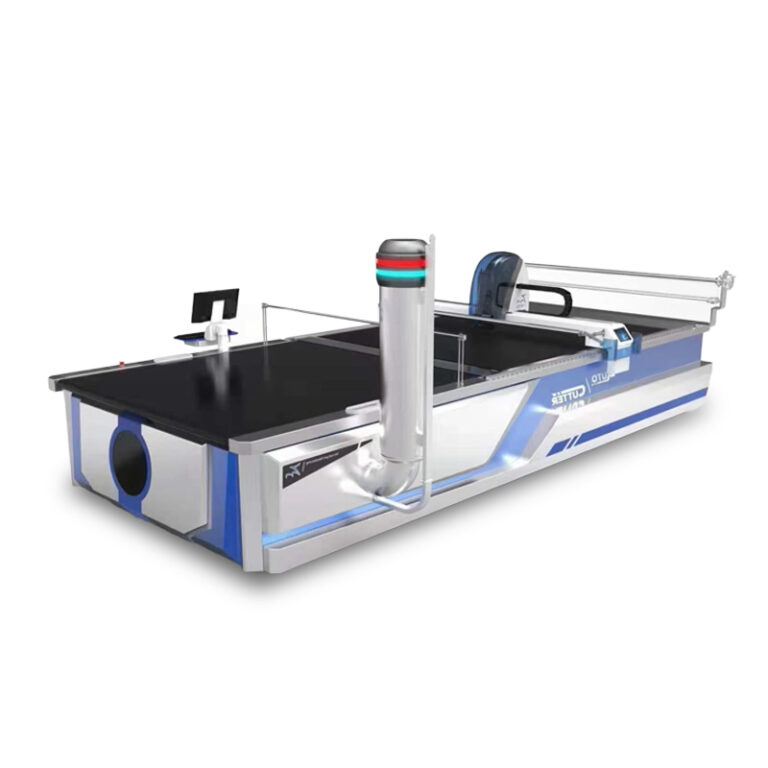
For JEKE machine direction, the JK-2025 Automatic Knife Cutting Machine is a useful product page to review when your work involves flexible sheets, rubber materials and custom cutting.
Material Choice: Rubber, Silicone, PTFE, Cork, Graphite and Non-Asbestos
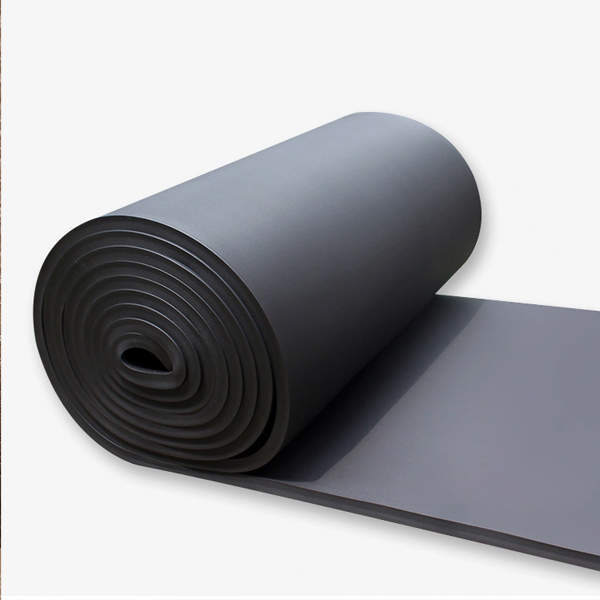
Gasket material changes the cutting result. A machine that cuts thin rubber well may need a different blade, tool force or speed for thicker rubber. A harder PTFE sheet may behave differently from soft silicone. Cork or fiber materials may create different edge and dust behavior.
| Material | Common gasket use | Cutting concern | Test before buying |
|---|---|---|---|
| Rubber sheet | general sealing, industrial parts | elasticity and rebound | complete cut, hole spacing, edge quality |
| Silicone | soft seals and flexible parts | deformation under pressure | pressure, small holes, part fit |
| PTFE | chemical-resistant gaskets | harder sheet behavior | tool strength and edge finish |
| Cork rubber | automotive and mechanical sealing | edge roughness and material breakage | dust, tearing, repeatability |
| Graphite or reinforced sheet | high-temperature sealing | cutting resistance and fragile layers | edge stability and tool selection |
| Non-asbestos sheet | industrial sealing parts | density and cutting force | blade choice and small-radius accuracy |
This is why JEKE does not recommend choosing by material name alone. The supplier needs thickness, hardness, sheet size and the real gasket drawing. For critical sealing parts, sample testing is more reliable than a simple maximum-thickness claim.
Tool Selection: Oscillating Knife, Pneumatic Knife and Stronger Tool Options
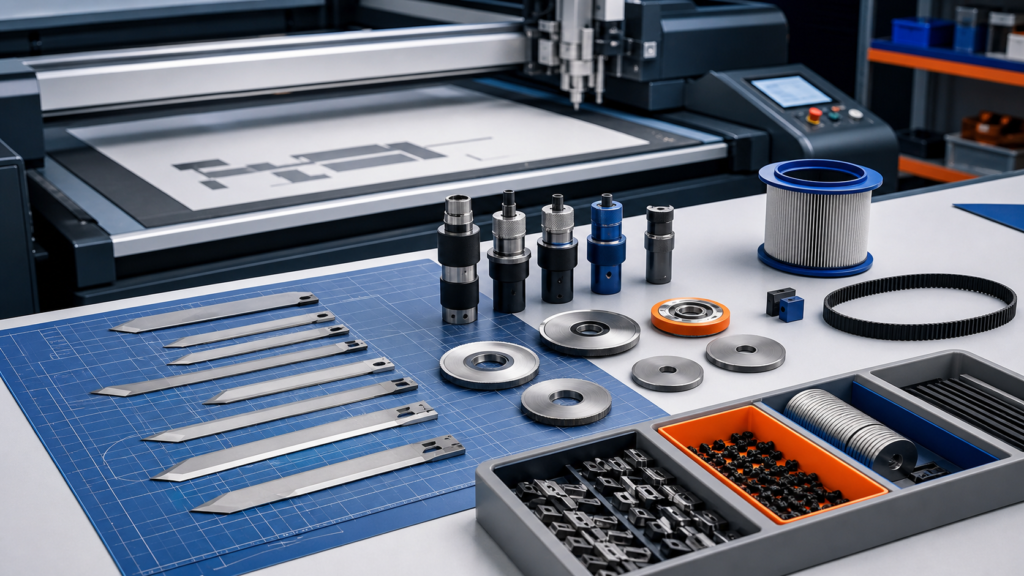
Many rubber gasket cutting jobs start with an oscillating knife or vibrating knife tool. It is a cold cutting method, so it avoids burning or heat marks that may be a concern for some flexible materials.
For thicker rubber, harder material or high-resistance gasket sheets, a stronger tool configuration may be needed. A pneumatic knife or higher-power oscillating tool can be considered depending on the material and the expected edge result. For some rigid or reinforced gasket materials, a supplier may also evaluate whether milling or another tool process is needed.
Tool selection should consider:
- material thickness
- hardness or density
- smallest hole diameter
- smallest inner radius
- required edge finish
- cutting path complexity
- batch quantity
- whether one machine must cut multiple gasket materials
If you are comparing knife cutting with laser cutting, JEKE’s oscillating knife cutter vs laser cutter guide explains why many flexible materials should be evaluated carefully before choosing a thermal cutting process.
Accuracy Checks: Inner Holes, Small Radius and Rebound
Gasket cutting accuracy is not only about the outer contour. In many gasket jobs, bolt holes and inner openings are the critical features.
Before buying a rubber gasket cutting machine, test:
- roundness of bolt holes
- spacing between holes
- smallest hole diameter
- smallest inner radius
- edge roughness
- incomplete cutting on thick material
- material rebound after cutting
- sheet movement during cutting
- repeatability across several pieces
Rubber can rebound after the blade passes through the sheet. Soft materials may deform under pressure. Reinforced sheets may resist cutting more than expected. A useful sample test should include real holes, real thickness and the actual drawing, not only a straight-line cut.
Workflow for Custom and Short-Run Gasket Production
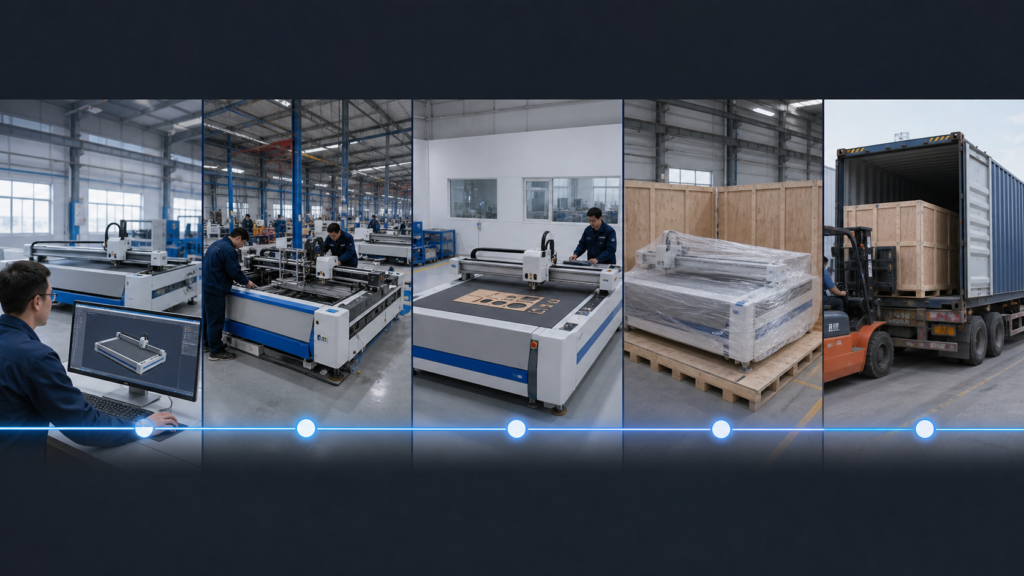
A practical gasket cutting workflow usually starts from a drawing or an old part. The team prepares the file, confirms the material and tests the first piece before cutting a full batch.
A typical workflow looks like this:
- Receive the drawing, CAD file or sample gasket.
- Confirm material type and thickness.
- Prepare or clean the cutting file.
- Test the outer contour and inner holes.
- Check fit with the mating part or customer drawing.
- Adjust tool, speed and cutting path if needed.
- Save the file for repeat orders.
- Cut the confirmed short run.
For workshops that handle changing customer orders, this workflow is more flexible than making a die for every gasket. It also reduces dependency on manual cutting when the shape has many holes or curved edges.
Three Practical Buyer Scenarios
Scenario 1: Maintenance shop cutting replacement rubber gaskets
A maintenance shop may need quick replacement gaskets for machines, pumps, covers or repair jobs. The quantity is often small, and the shape may change from job to job.
In this case, flexibility matters more than high-volume speed. The buyer should test drawing import, easy operation, small-hole cutting and repeatability.
Scenario 2: Custom gasket supplier doing small batches
A custom gasket supplier may receive many different drawings each week. Materials may include rubber, silicone, cork, fiber sheet or PTFE. The supplier needs a machine that can switch between jobs without a long setup time.
For this buyer, tool configuration and file workflow are important. The machine should support practical nesting, stable holding and repeatable inner-hole quality.
Scenario 3: Industrial seal producer with mixed materials
An industrial seal producer may need to cut multiple gasket materials with different hardness and thickness. The same machine may need to process rubber sheets one day and PTFE or reinforced sheets another day.
For this case, avoid buying only by table size. Ask whether the tool setup can handle the material range, smallest holes and production quantity. Testing each material group is the safest path.

What Affects the Quote?
The price of a rubber gasket cutting machine depends on more than working area.
Important quote factors include:
- working table size
- material type
- thickness range
- hardness or density
- required tool configuration
- vacuum table and sheet holding
- smallest hole and smallest radius
- required tolerance
- nesting and software workflow
- batch quantity
- whether multiple tools are needed
- operator training requirement
If the buyer only asks for a price without material and drawing details, the recommendation may be too general. A more accurate quote needs enough information to judge cutting resistance, hole accuracy and workflow requirements.
What to Send JEKE Before Asking for a Recommendation
To get a useful recommendation, prepare practical details instead of only asking for a machine name.
Send JEKE:
- material name
- material thickness
- hardness or density if available
- sheet size
- drawing file or CAD file
- smallest hole diameter
- smallest inner radius
- target tolerance
- required edge quality
- sample quantity
- expected batch quantity
- current manual cutting or die cutting pain point
If your material is related to foam, sponge or protective inserts, JEKE’s CNC foam cutting machine guide may also help you compare flexible material behavior. For gasket-specific context, you can also review JEKE’s existing rubber gasket cutting machine article.
JEKE Recommendation
JEKE recommends choosing a rubber gasket cutting machine by material sample, drawing complexity and production workflow.
If your work is mainly rubber or silicone, focus on complete cutting, rebound, small-hole accuracy and holding. If your work includes PTFE, graphite, cork or non-asbestos sheets, focus more on cutting resistance, tool strength and edge finish. If your shop handles mixed custom orders, make sure the machine can support the material range and practical tool changes.
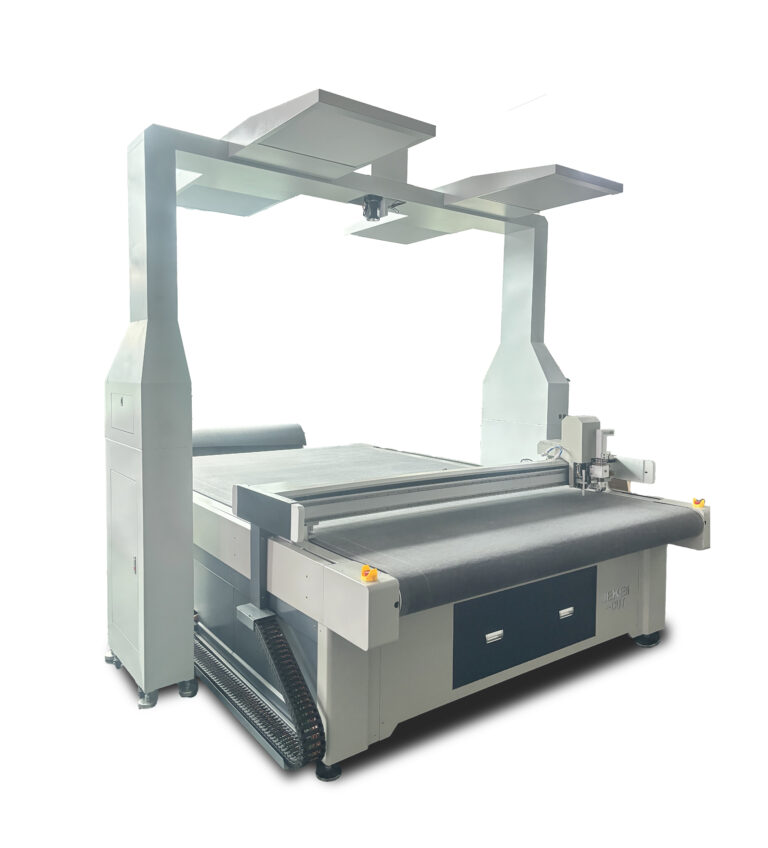
For a broad machine direction, review JEKE’s Digital Cutting Machine category. For specific product directions, compare the JK-2025 Automatic Knife Cutting Machine and the JK-1312 Flatbed Cutter Machine.
For a configuration quote or sample test, contact JEKE with your gasket material, thickness, drawing file and target quantity.
FAQ
Can one gasket cutting machine cut rubber, silicone and PTFE?
One digital cutting platform may support several non-metallic gasket materials, but tool selection and cutting parameters should be tested by material. Rubber, silicone and PTFE do not cut the same way.
Is knife cutting better than laser for rubber gaskets?
For many flexible gasket materials, knife cutting is a practical cold cutting method. Laser suitability depends on material behavior, edge requirement and heat effect, so buyers should test the real material before choosing.
What thickness can a rubber gasket cutting machine cut?
The practical thickness depends on material hardness, tool type, blade length, machine stability and edge requirement. Do not rely only on a maximum thickness number; test the real sheet and drawing.
Can it cut small bolt holes?
Yes, digital knife cutting can cut many bolt holes and inner openings, but very small holes, tight spacing and elastic materials must be tested for accuracy and repeatability.
Do I need a physical die for custom gasket orders?
For samples, replacements and short runs, digital cutting can reduce the need for a physical die. For very high-volume stable production, compare total cost, speed and repeatability.
What should I send before asking for a quote?
Send material type, thickness, hardness if available, sheet size, CAD file, smallest hole, smallest radius, required tolerance and expected quantity.
Conclusion
A rubber gasket cutting machine should be chosen by material, thickness, drawing complexity and production workflow. Rubber, silicone, PTFE, cork, graphite and non-asbestos sheets may all require different cutting conditions.
Before confirming a machine, test the real material and drawing. The right knife cutting system should produce clean edges, accurate holes and repeatable parts while reducing manual cutting time and unnecessary die cost.