Embark on a journey of knowledge as you navigate through our rich collection of articles.
Flatbed Cutter Validation Checklist for Small Packaging Shops
10/20/2026
Amanda Ye
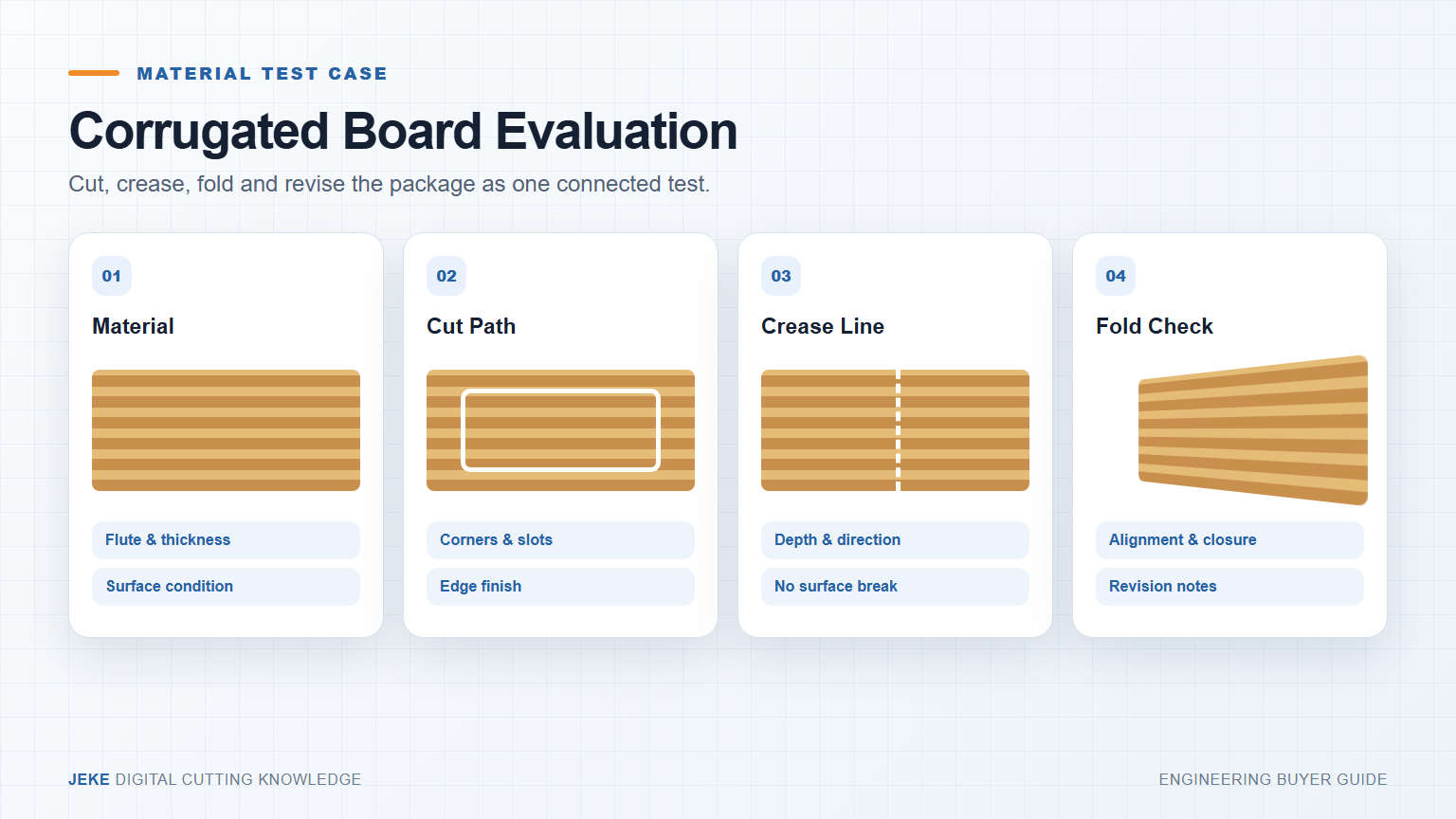
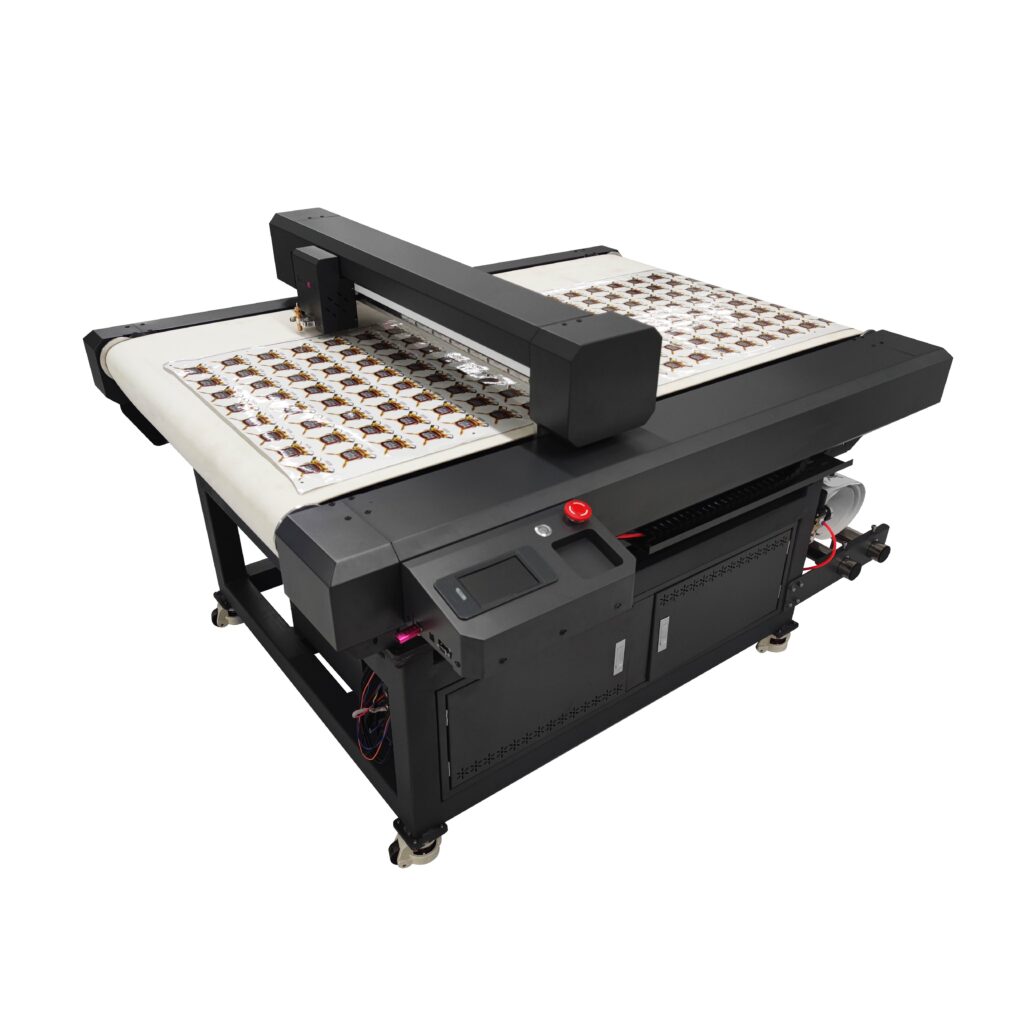
Before buying a flatbed cutter, test the complete packaging workflow with your own files, materials, intended operator, and written acceptance criteria. A showroom sample proves little if the software, tools, vacuum hold-down, creasing, repeat jobs, training, and regional support are not tested under the conditions your shop will actually use.
Define the jobs the cutter must pass
List typical and difficult materials, sheet sizes, cut types, creases, printed-registration work, monthly workload, and turnaround requirements. Define observable pass/fail results—such as no liner tear at specified features or an acceptable folded sample—without inventing a universal precision number.
Test area
Record before testing
Evidence to retain
Material
construction, thickness, grain/flute, print
labelled sheet and lot
File
format, scale, revision, smallest feature
original and imported file
Process
full cut, kiss cut, crease, registration
configuration and settings
Quality
edge, corner, fold, surface, repeat result
front/back close-ups
Workflow
setup, changeover, recovery, operator steps
unedited video and notes
Build a representative sample-test pack
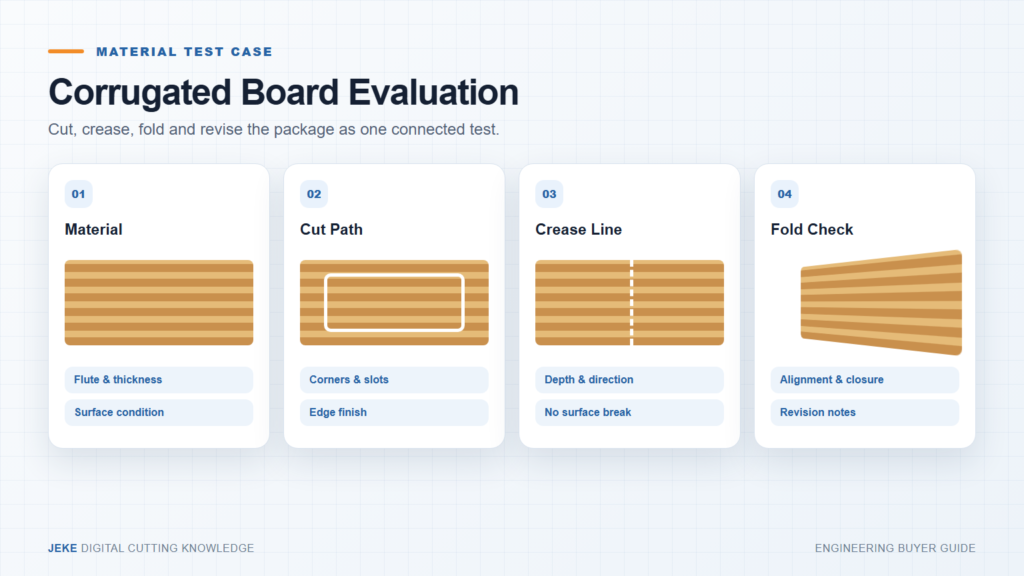
Include an easy file, a normal production file, and a difficult file. Use actual stock, including a challenging lot. Record board structure, print or coating, tool, settings, hold-down method, temperature or humidity when relevant, and the operator who ran the job.
One perfect sample is not acceptance. Repeat the same job, compare the first and last pieces, then run a file revision and a changeover. The number of repeats should match the failure you are trying to detect; there is no universal minimum.
Validate software and file workflow
Ask the intended operator to import, preflight, scale, assign tools, nest, register, start, pause, recover, and rerun a job. Confirm supported formats and how software licences, updates, backups, and additional workstations are handled.
Failures should remain visible in the test record. Do not let a technician silently rebuild the file and present only the final result.
Validate tools, vacuum, and creasing
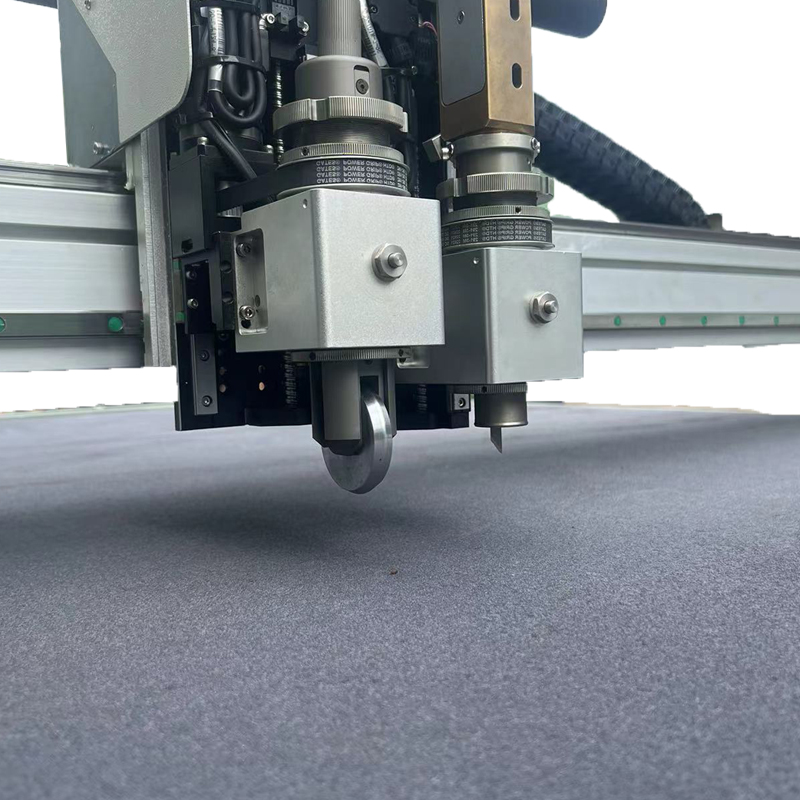
Test full cuts, kiss cuts, creases, corners, slots, holes, and small features separately. For porous or warped sheets, record vacuum zones, masking, leakage, offcut movement, and surface marks. A tool that cuts one board may not crease another correctly.
Inspect both faces, internal flutes, cut edges, folds, and repeated pieces. Copying settings between different board constructions is not evidence.
Validate training, maintenance, and support
Request written installation scope, operator and maintenance training, manuals, consumables list, preventive tasks, escalation path, supported language, region, business hours, travel terms, and exclusions. A response process is not the same as a guaranteed resolution time.
Document acceptance before comparing quotations
Use the same configuration and conditions for each supplier. Record each requirement as pass, fail, blocked, or requiring retest, with a link to evidence and a responsible reviewer. Open issues should remain open until evidence closes them.
Frequently asked questions
What samples should a packaging shop send?
Send typical and difficult materials, current files, smallest features, printed work, crease/fold requirements, and examples of acceptable and unacceptable output.
How many repeat cuts are enough?
Enough to expose the risk being evaluated. Define the repeat count before testing and compare first, middle, and last pieces rather than accepting one demonstration.
Which software and support questions matter most?
Confirm file compatibility, licences, updates, backup/recovery, operator workflow, regional coverage, escalation, parts, exclusions, and who owns each issue.
Next step
Submit your real packaging files and materials to JEKE and request a written sample-test scope. This is a request for verifiable evidence, not a performance or support guarantee.