Embark on a journey of knowledge as you navigate through our rich collection of articles.
Flatbed Cutter Total Cost of Ownership: A Practical Checklist for Print Shops
09/08/2026
Amanda Ye
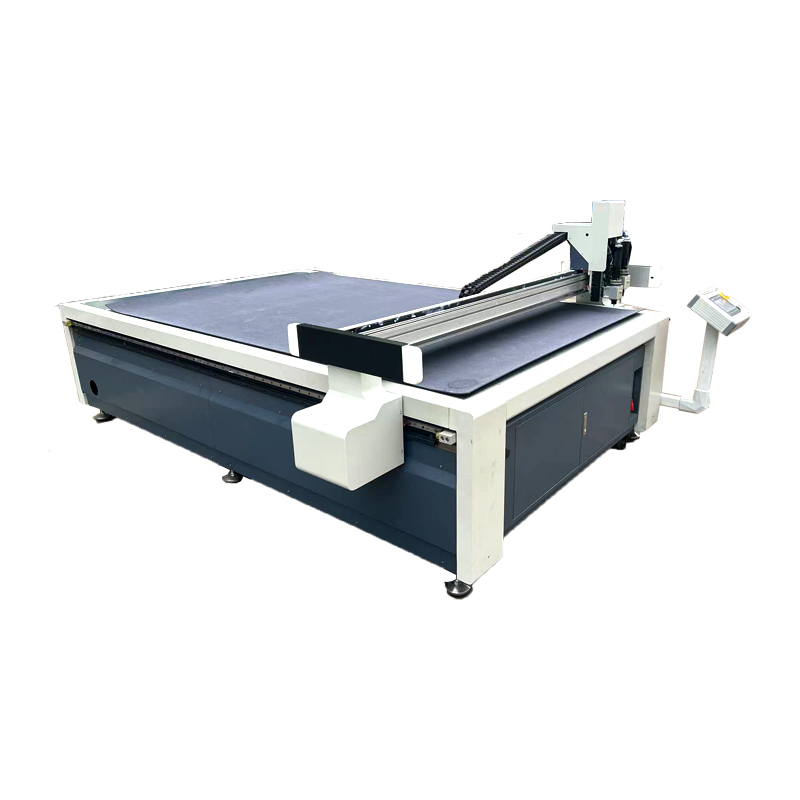
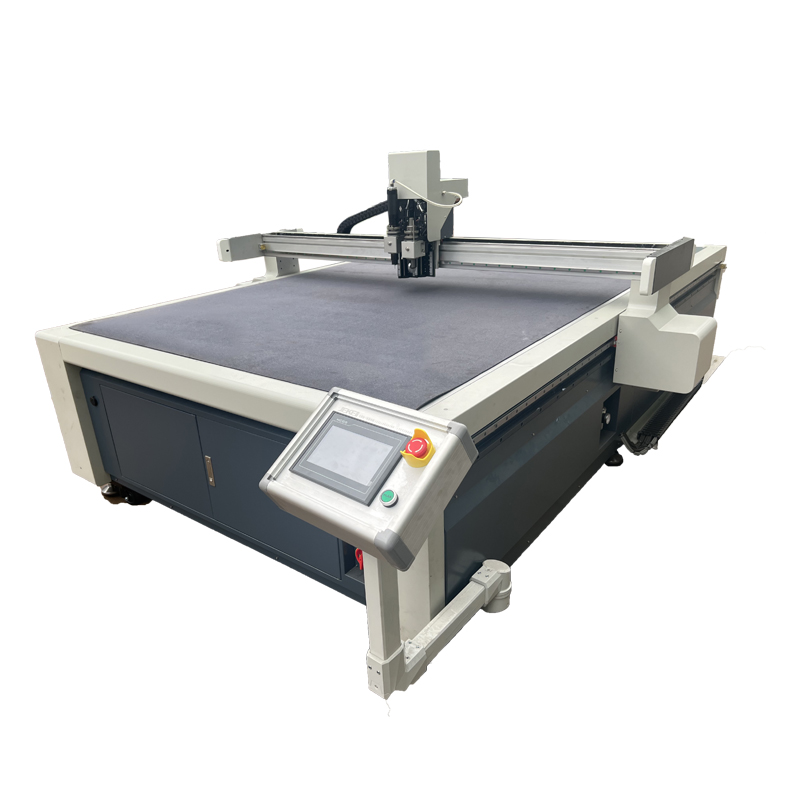
A flatbed cutter's purchase price is only the first line in its total cost of ownership (TCO). A useful comparison also includes software, tools, consumables, site preparation, labour, training, maintenance, service, downtime risk, and the value remaining at the end of the comparison period.
For a print shop, the safest method is to define one representative workload, choose one comparison period, and ask every supplier to price the same scope. This turns a collection of quotations into a decision model that reflects your actual workflow.
Why the quoted machine price is not the total cost
Three different cost types affect the decision:
Acquisition costs: the machine, tool modules, options, freight, duties, installation, and commissioning.
Risk costs: downtime, urgent service, delayed jobs, rework, damaged material, and dependence on one trained operator.
A low initial quotation may exclude items that another supplier includes. Conversely, a more complete quotation may look expensive until the scopes are aligned. Historical prices in forums can reveal what buyers worry about, but they are not current quotations and should not be used as budget figures.
Define the print-shop workflow first
Do not calculate TCO for an abstract machine. Define the work the machine must perform:
Materials and typical thickness ranges
Maximum and common sheet sizes
Cutting, creasing, kiss-cutting, routing, or printed-registration tasks
Monthly job mix, average batch size, and peak periods
File formats and the current prepress or RIP workflow
Required turnaround and acceptable rework
Loading, unloading, sorting, and downstream finishing steps
Use the same representative files and materials for every supplier test. Otherwise, differences in the demonstration can be mistaken for differences in machine cost or capability.
One-time acquisition and setup costs
Ask suppliers to separate every included, optional, and excluded item. The initial-cost section may contain:
Cost field
Questions to document
Machine and table
Exact model, working area, standard configuration
Tooling
Included modules, optional tools, starter consumables
Logistics
Packing, freight, insurance, duties, local delivery
The purpose is not to make every supplier's offer identical. It is to expose the differences before a purchase order is signed.
Software and digital workflow costs
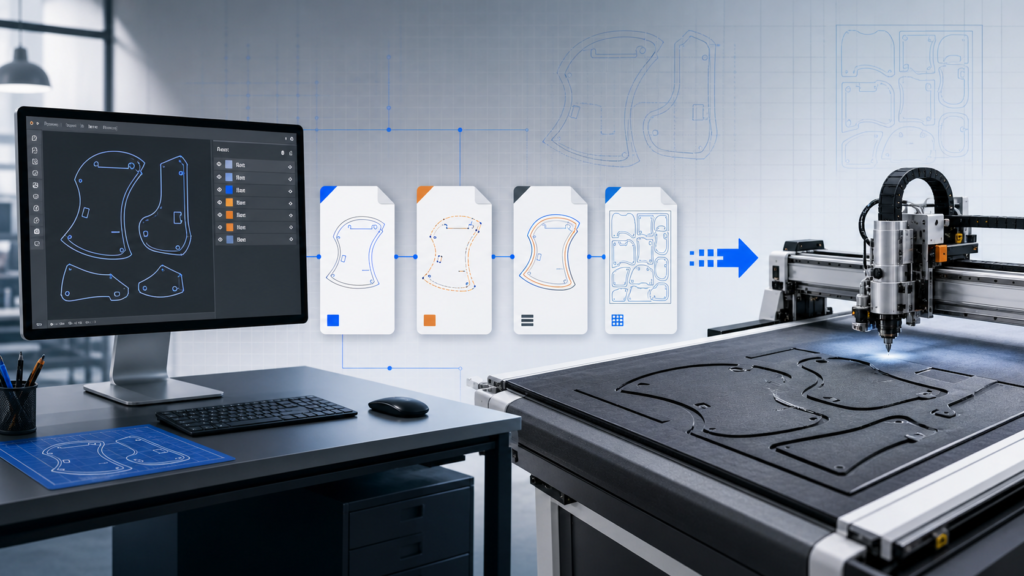
Software costs can be one-time, subscription-based, workstation-based, or tied to optional functions. Confirm what is needed for file preparation, nesting, printed registration, job control, and updates.
Also count operator time. A workflow that requires repeated cleanup, format conversion, registration setup, or manual nesting may create a recurring labour cost even when the licence looks inexpensive. Test common and difficult files, not only a supplier-prepared demonstration file.
Tools, consumables, and material-dependent costs
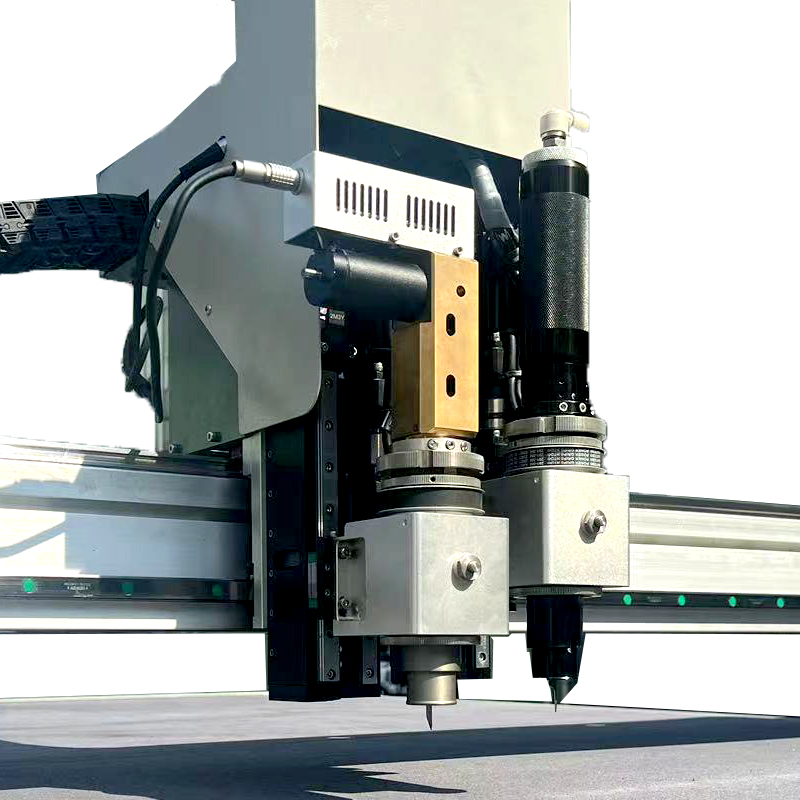
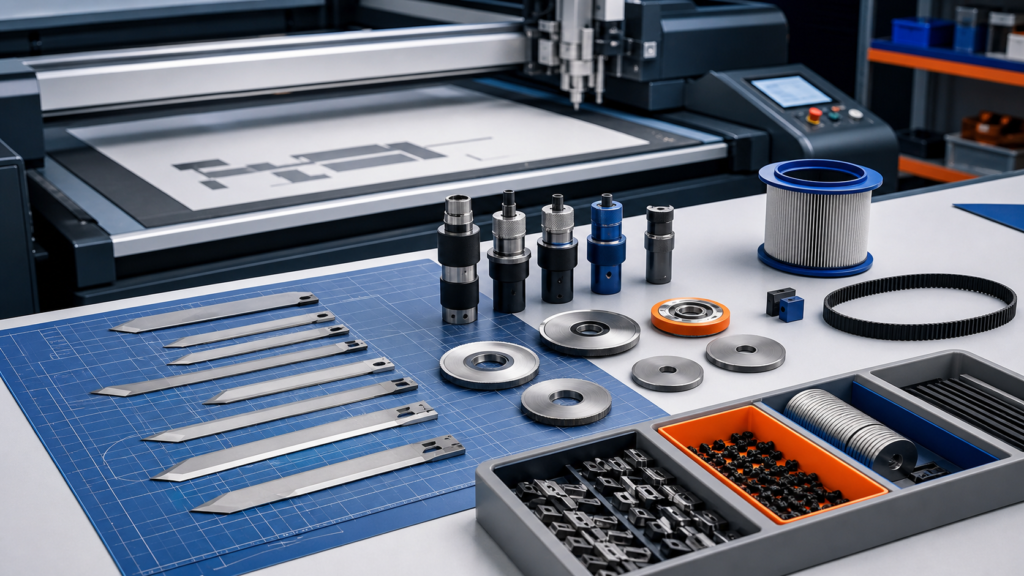
Flatbed cutters may use blades, router bits, cutting mats, filters, lubricants, and other wear parts. Their life varies with material, geometry, operating conditions, and quality requirements. A universal tool-life number is therefore a weak purchasing assumption.
Instead, run representative jobs and record:
Tool and consumables used.
Quantity and type of material processed.
Setup and cutting time.
Visible wear or replacement events.
Rejects, rework, and unusable offcuts.
Repeat the calculation across several real jobs before estimating an average consumable cost.
Labour, training, and changeover costs
Include file preparation, machine setup, tool changes, material loading, unloading, sorting, cleaning, and routine inspection. Then consider resilience: can more than one person run the workflow, diagnose common issues, and prepare files correctly?
Cross-training has a cost, but relying on one operator also creates a risk. Record both instead of hiding either one inside a general labour estimate.
Maintenance, service, and downtime risk
Request written details for preventive maintenance, scheduled replacement parts, remote support, on-site service, travel charges, escalation, and spare-parts ordering. Availability and cost can vary by country and contract.
When reliable failure data is unavailable, use scenarios rather than an unsupported uptime promise:
Minor interruption: a short stoppage handled internally.
Service event: diagnosis or a replacement part is required.
Extended outage: production must be rescheduled or outsourced.
For each scenario, estimate lost production time, staff time, expedited freight, outsourcing, and delivery consequences using your own figures.
Capacity, quality, and waste are TCO variables
Headline cutting speed does not describe the full workflow. Registration, loading, setup, changeovers, sorting, and downstream finishing can become the real bottleneck. Likewise, a fast job that creates rework or unusable sheets may not be the lowest-cost job.
During a sample test, define acceptable cut edges, registration, corners, creases, surface marks, and repeatability. Record the complete elapsed workflow rather than one isolated cutting pass.
A fill-in TCO worksheet
Choose a comparison period that matches your planning practice and use the same period for every option.
Category
Year 0
Year 1
Year 2+
Evidence or assumption
Machine, tools, options
Written quotation
Freight, duties, installation
Written scope
Software and upgrades
Licence terms
Tools and consumables
Representative job records
Labour and training
Internal hourly cost
Maintenance and service
Service terms
Downtime contingency
Low/base/high scenario
Residual value
Internal assumption
Run at least a low-workload, base, and peak-demand scenario. The result is a range for decision-making, not a guaranteed ROI.
Questions to ask every supplier
What is standard, optional, subscription-based, or excluded?
Which tools and consumables were used for our sample jobs?
Which costs vary by material, location, or service territory?
What site preparation and operator skills are required?
How are software updates, training, maintenance, and spare parts handled?
Which claims can be demonstrated with our files and materials?
Frequently asked questions
What costs are often omitted from a flatbed cutter quotation?
Software, optional tools, freight, duties, site preparation, training, consumables, service travel, spare parts, file-preparation labour, and downtime contingency are common items to check. Inclusion varies by supplier and market.
How many years should a print shop use for a TCO comparison?
Use a period that matches your internal capital-planning horizon and apply it consistently. The exact period matters less than using the same workload, cost categories, and assumptions for every option.
How should software subscriptions be included?
Record the current recurring fee, licence quantity, included functions, update terms, and a stated assumption for future years. Do not treat a present subscription price as permanently fixed.
Is the lowest-priced cutter always the lowest-cost option?
No conclusion can be made from purchase price alone. Compare the complete scope, workflow labour, consumables, service conditions, quality outcomes, and risk scenarios using your own data.
Next step: build a testable cost scope
Send JEKE your materials, representative files, monthly workload, required operations, and completed TCO questions to define a sample-test and configuration-review scope. This request is for documented comparison inputs, not a savings or payback guarantee.