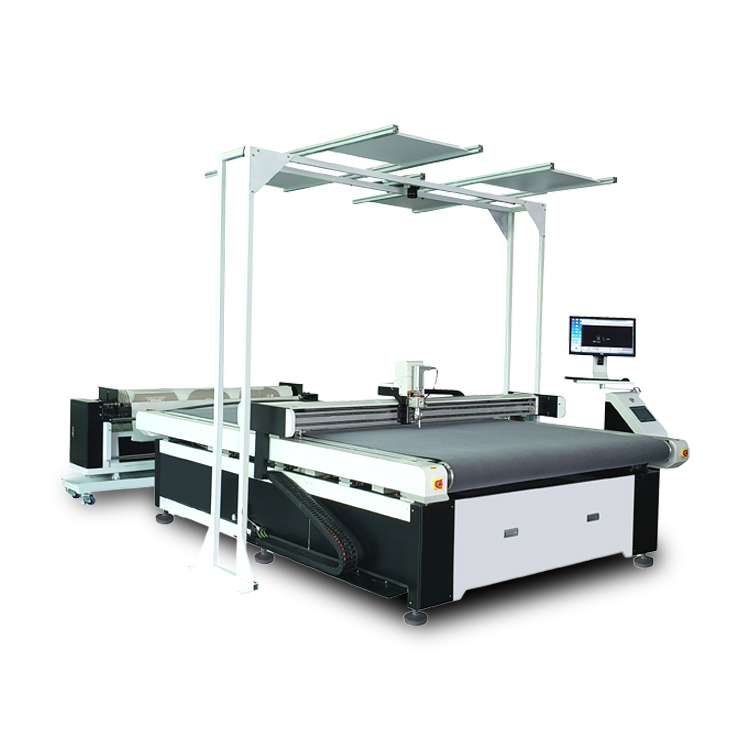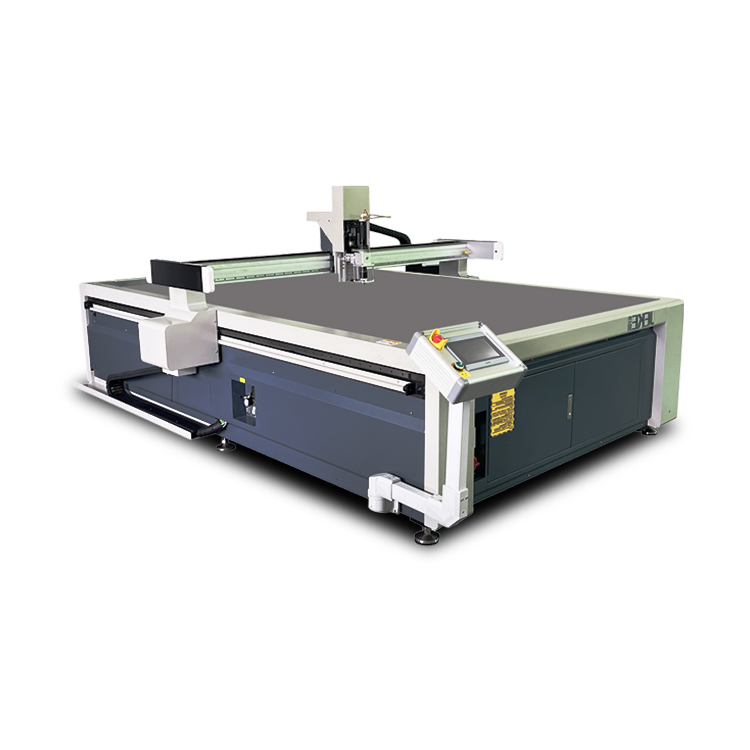
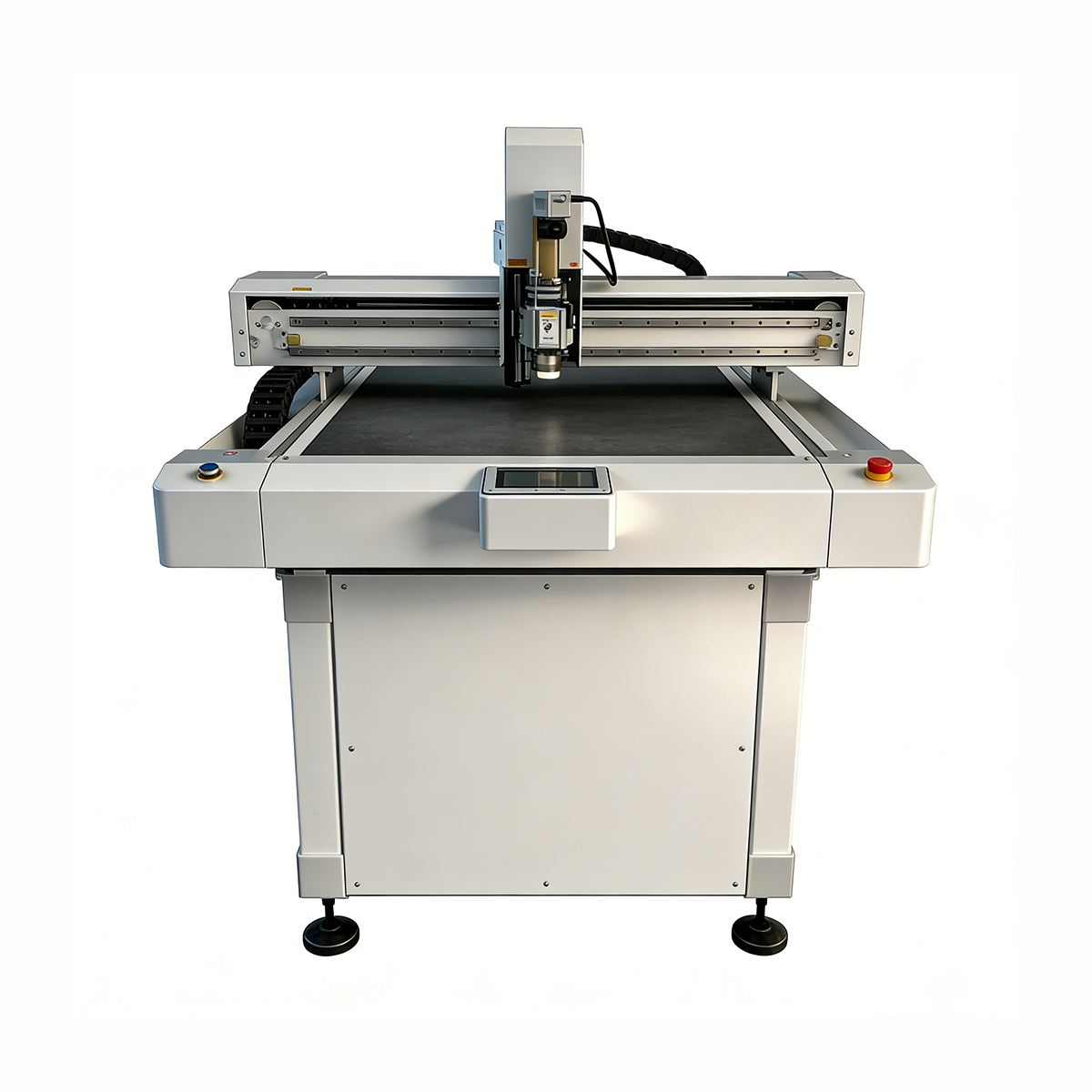
In automotive interior production, leather and foam are not just ordinary soft materials. They are high-value materials that directly affect product appearance, comfort, and assembly quality. If cutting is inconsistent, the problem quickly shows up in fit, stitching, waste, and final product quality.
That is why many manufacturers are looking for the best leather and foam cutting machine, especially for automotive interior workflows involving seat covers, floor mats, trim materials, and layered interior components.
In this guide, we explain what matters most when cutting leather and foam, why the right cutting method is so important, what features buyers should focus on, and how to choose a machine that fits real automotive interior production.
At Dongguan Diaobao Automation Equipment Co., Ltd, the JEKE brand focuses on digital cutting solutions for flexible materials, including leather, foam, and automotive interior applications where material appearance and process stability are both critical.
Why Leather and Foam Are Difficult To Cut Well
At first glance, leather and foam may both look like soft materials, but they behave very differently in production.
Leather often requires:
- clean edge quality
- stable contour accuracy
- careful material utilization
- protection of visible surface appearance
Foam often requires:
- stable cutting pressure
- shape consistency
- support for different thicknesses
- clean processing for layered or cushioning components
When these materials are used in automotive interiors, the challenge becomes even more important because the cut parts may later go into visible or assembly-sensitive products.
Where Leather and Foam Cutting Is Used in Automotive Interiors
A leather and foam cutting machine can support many common interior applications, including:
- seat cover materials
- seat foam-related layers
- floor mat materials
- door panel soft materials
- armrest and trim materials
- headliner or layered interior components
These applications often involve product variation, multiple material types, and strict quality expectations. That is why cutting equipment must do more than simply follow a shape. It must do so consistently and without damaging the material.
Why the Right Cutting Method Matters
Not every cutting process is equally suitable for leather and foam.
For many automotive interior manufacturers, digital knife cutting is preferred because it helps avoid issues such as:
- burnt edges
- material discoloration
- heat-related deformation
- unstable edge quality
That makes it especially relevant in applications where visible appearance matters, which is often the case in automotive interiors.
When buyers search for the best leather and foam cutting machine, they are usually not only comparing machine models. They are comparing process suitability for appearance-sensitive materials.
What To Look For in a Leather and Foam Cutting Machine
Clean Cutting Quality
Cut quality is one of the first things buyers should evaluate. If leather edges look rough or foam shapes are unstable, the machine may create more downstream problems than it solves.
For interior production, clean and repeatable cutting matters because these materials often go into parts that must fit properly and maintain a consistent visual standard.
Material Handling Stability
Leather and foam can shift, compress, or behave differently depending on thickness and structure. A good machine should process these materials in a controlled way without unnecessary distortion.
Nesting Efficiency
This is especially important for leather. Material utilization has a direct cost impact, so a cutting workflow that supports better nesting can improve profitability as well as production control.
Versatility Across Material Types
Many automotive suppliers do not cut only one material. They may handle leather, synthetic leather, foam, textiles, and layered composites in the same production environment. A machine that supports several interior material types is often more practical than a narrow single-purpose system.
Workflow Fit
The machine must match the real production process, including pattern preparation, job changes, and part repeatability. The right equipment should reduce friction in the workflow, not add another complex step.
Why This Matters for Seat Covers and Floor Mats
Seat covers and floor mats are two strong examples of why leather and foam cutting quality matters.
Seat Covers
Seat covers usually require:
- accurate contours
- stable repeatability
- reliable fit for downstream sewing and assembly
- protection of visible material appearance
If cutting variation is too high, seat quality and production efficiency both suffer.
Floor Mats
Floor mats often involve shape complexity, material layering, and frequent model-specific differences. That makes repeatable cutting especially important, particularly when suppliers need to support multiple patterns and short production cycles.
How a Better Cutting Machine Improves Production
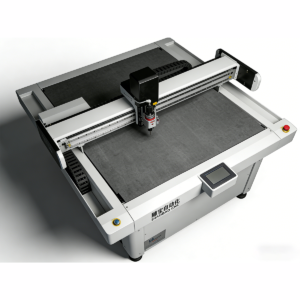
Better Repeatability
A stronger cutting process reduces variation across repeated jobs, which helps maintain quality in later stages.
Lower Material Waste
Improved nesting and more accurate cutting can reduce unnecessary waste, especially in leather.
Better Surface Protection
For visible materials, avoiding edge damage or appearance defects is a major production advantage.
Easier Handling of Product Variation
Automotive interior suppliers often deal with multiple models, materials, and part shapes. A digital cutting system helps make those changes more manageable.
More Stable Output Across Different Interior Parts
Whether the job is a trim component, a floor mat layer, or a seat-related material, consistency matters. A better cutting setup supports that stability.
Common Buying Mistakes
Choosing Based Only on Speed
High speed is useful, but it does not guarantee better production. For leather and foam cutting, stability, material protection, and repeatability are often more important.
Ignoring Material Value
Leather is not a low-cost material. Waste and cutting mistakes can become expensive quickly. Buyers should evaluate material utilization as carefully as machine price.
Focusing on One Material Only
Some buyers choose a machine for today’s main material without thinking about future product variation. In automotive interiors, flexibility often matters because material combinations change across projects.
Underestimating Surface Quality Requirements
If a part will be visible in the final vehicle interior, appearance quality matters. That should be part of the equipment decision from the start.
How To Choose the Right Machine
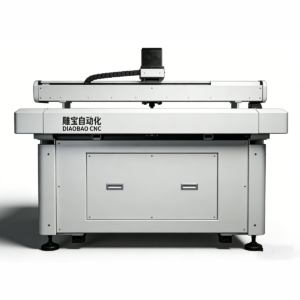
Before requesting a quotation, buyers should prepare clear answers to these questions:
- Which leather, foam, or layered materials do we cut most often?
- Which parts are the most important in our workflow?
- Is visible surface quality critical?
- Which materials create the most waste today?
- Do we need one machine for several interior part types?
- Are we focused on development, production, or both?
These details make it easier to receive a recommendation that actually fits the application.
Why More Buyers Are Searching for This Type of Machine
The automotive interior market is pushing suppliers toward better quality control, lower waste, and faster response to product variation. That is why more buyers are looking specifically for leather and foam cutting solutions rather than only generic soft-material cutting machines.
This search behavior reflects a real production need: buyers want a machine that matches their materials, part quality expectations, and workflow, not just a broad equipment category.
Conclusion
The best leather and foam cutting machine for automotive interior production is the one that protects material quality, improves repeatability, reduces waste, and fits the real product mix of the factory.
For applications such as seat covers, floor mats, trim materials, and layered interior parts, cutting quality affects much more than one process step. It influences the whole production chain.
That is why choosing the right machine means looking beyond simple speed claims and focusing on material behavior, edge quality, nesting, and workflow stability.
If you want a more practical recommendation, JEKE and Dongguan Diaobao Automation Equipment Co., Ltd can review your leather, foam, and interior part applications, then suggest a cutting configuration that fits your automotive production needs without unnecessary complexity.
FAQ
What is the best leather and foam cutting machine for automotive interiors?
The best choice depends on your material mix, part types, surface quality needs, and workflow. In many cases, a digital knife cutting system is preferred because it handles flexible materials well without heat-related damage.
Why is cutting quality so important for leather in automotive interiors?
Leather is often visible in the final product, so poor edge quality, surface marks, or contour variation can directly affect perceived product quality and assembly performance.
Can one machine cut both leather and foam?
Yes, many digital cutting systems can support both materials when configured correctly for the required thicknesses, material behavior, and production workflow.
Why does nesting matter for leather cutting?
Leather is often a higher-value material, so better nesting can reduce waste and improve material utilization, which has a direct cost impact.
How do I choose the right machine?
Start with your actual materials, part applications, waste problems, and quality requirements. The right machine should solve the most important issues in your real workflow, not only perform well in a generic demo.