Embark on a journey of knowledge as you navigate through our rich collection of articles.
Machining Cured Carbon Fiber and Nomex Sandwich Panels: Process and Safety Questions
11/05/2026
Amanda Ye
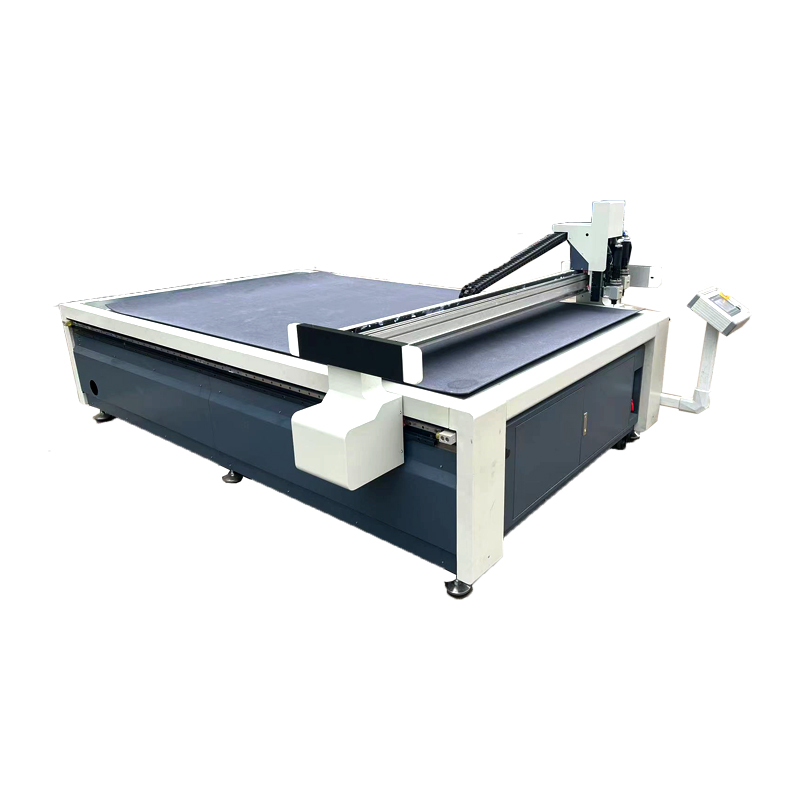
Cured carbon-fibre skins and Nomex-type honeycomb cores must be treated as an engineered sandwich, not as ordinary flexible sheet. Identify the construction, damage limits, workholding, candidate process, dust or fluid hazards, inspection method, and stop conditions before any trial. Do not assume an oscillating knife—or any JEKE machine—is suitable.
Identify the exact panel construction
Document cured skin material, resin system, skin and total thickness, core type and density, adhesive, edge details, inserts, coatings, and finished-part requirements. Separate solid laminate requirements from sandwich-panel requirements.
Define damage and quality risks
Potential concerns include skin delamination, fibre breakout, core crushing, adhesive damage, heat, moisture intrusion, conductive debris, and edge-sealing requirements. Acceptance and inspection methods require engineering approval appropriate to the application.
Screen candidate processes
Routing or machining, sawing, abrasive or water-based methods, and specialist services have different limitations. Screen them against construction, geometry, tolerance, surface, contamination, thermal, moisture, and EHS constraints.
Screening question
Required evidence
Stop condition
Is the equipment intended for the material?
formal machine scope
scope absent or excludes it
Can skins and core be supported?
workholding plan
local crushing or unstable part
Are hazards controlled?
EHS assessment and manuals
extraction/sealing evidence absent
Can damage be inspected?
approved inspection plan
no acceptance method
Are parameters validated?
engineering trial record
copied or guessed settings
Assess tooling and workholding
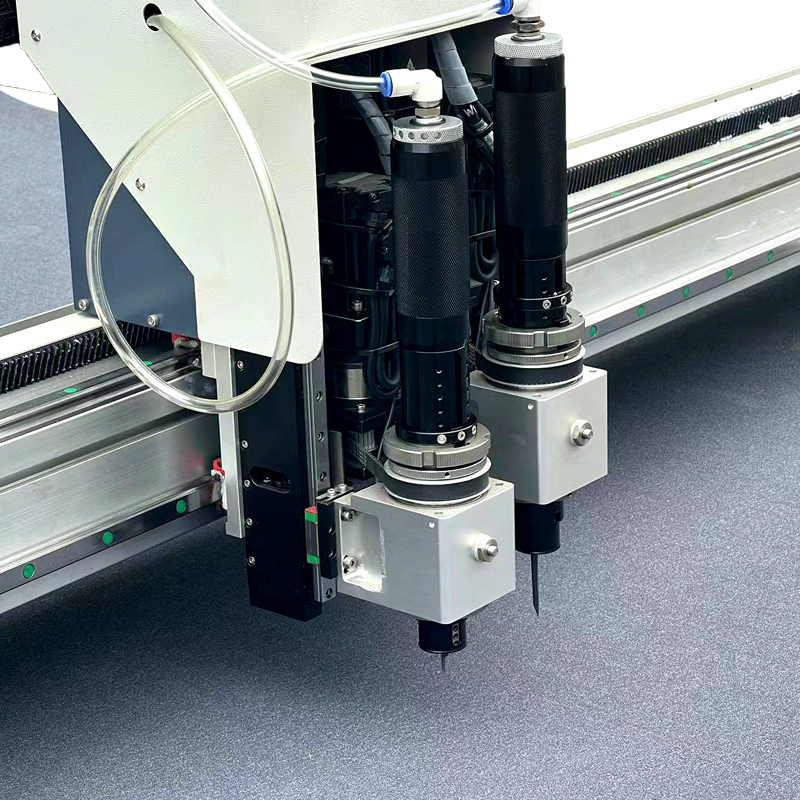
The panel must be supported without crushing the core or allowing vibration and breakout. Tool wear and parameters require material-specific evidence. This article intentionally provides no speeds, feeds, blades, or generic setup values.
Assess occupational and equipment safety
Carbon-containing dust may be conductive and can create respiratory, skin, contamination, and equipment risks. Water-based methods may introduce moisture concerns for some constructions. Consult SDS documents, machine manuals, EHS professionals, process engineers, equipment suppliers, and local regulations. Confirm extraction, filtration, sealing, electrical protection, PPE, cleaning, and disposal before work begins.
Plan a controlled engineering trial
Use a small coupon only after formal screening. Define controls, monitoring, inspection, stop criteria, responsible personnel, containment, and waste handling. Stop when the equipment scope, hazard controls, workholding, or inspection evidence is missing.
Frequently asked questions
Can an oscillating knife cut cured carbon-fibre plate?
Do not assume so. Suitability depends on the exact cured construction and formally documented equipment scope. If evidence is absent, select a qualified alternative process or specialist.
Why is carbon dust an equipment risk?
Depending on the material and process, fine conductive debris can create health, contamination, and electrical concerns. A site-specific professional assessment is required.
How can honeycomb-core damage be checked?
Use an engineering-approved inspection plan for the relevant construction and application. Visual edge checks alone may be insufficient.
Next step
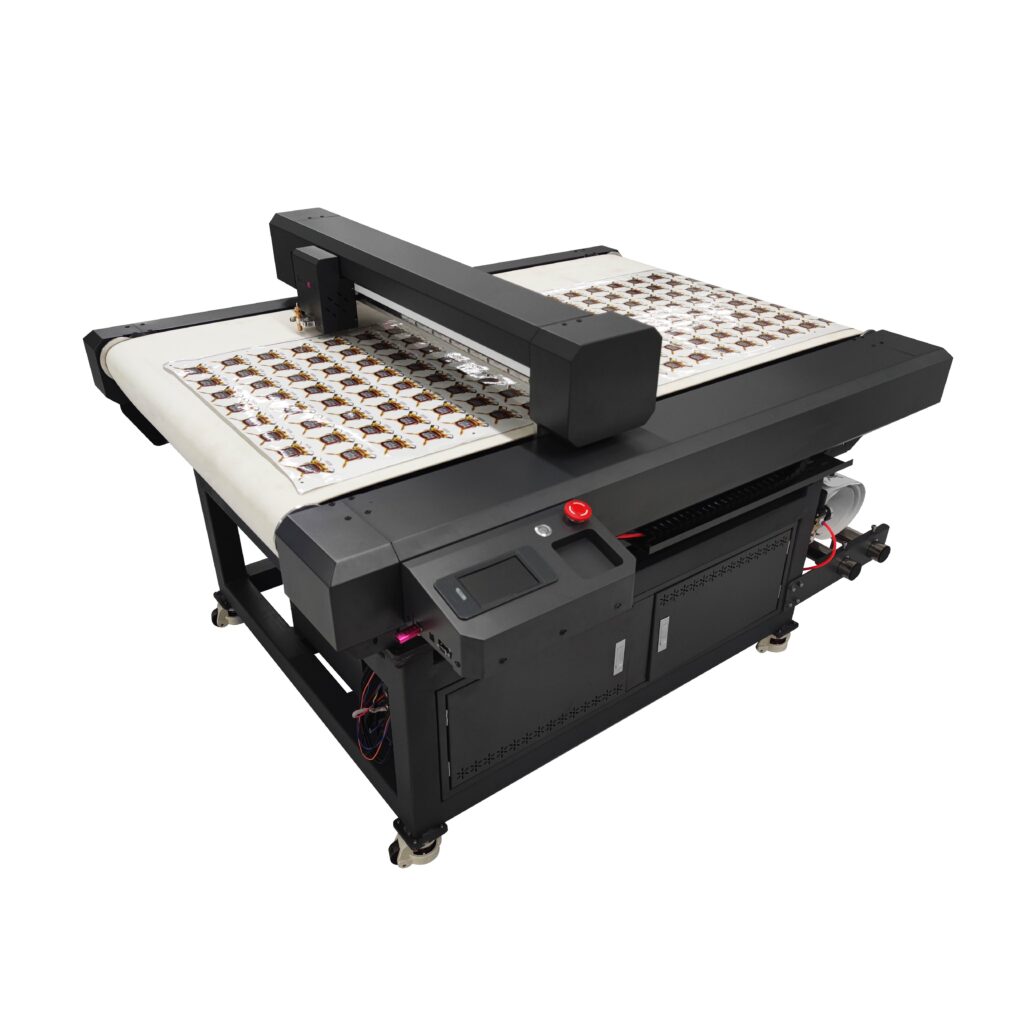
Before any recommendation, submit the panel construction and requirements to JEKE technical personnel for an applicability screen. This is not confirmation that JEKE equipment can machine the panel.