Choosing between an oscillating knife cutter and a laser cutter is not a simple question of which technology is better. The right answer depends on your material, edge requirement, thickness, production workflow, and safety expectations.
For foam, leather, and corrugated packaging, an oscillating knife cutter is often the safer first test because it uses mechanical cold cutting instead of heat. For some synthetic fabrics, laser cutting can be useful because it may seal the edge and handle detailed shapes without touching the material. For packaging, the decision is not only about cutting. Creasing, folding lines, CAD workflow, and short-run sample making matter just as much.
This guide compares oscillating knife cutting and laser cutting for fabric, foam, leather, and packaging materials. If you are still at the early buying stage, also read JEKE’s CNC knife cutting machine buyer checklist to understand tool selection, table size, conveyor feeding, and sample testing.
Quick Answer: Which Cutting Method Fits Which Material?
Use the table below as a first screening tool. It is not a replacement for real sample testing, but it helps you decide which process should be tested first.
| Material | Usually better first test | Why |
|---|---|---|
| EVA / EPE / XPE foam | Oscillating knife | Avoids melted edge, smoke, odor, and deformation |
| Leather / PU leather | Oscillating knife | Reduces burn marks and smell; keeps material texture |
| Corrugated cardboard | Oscillating knife + creasing wheel | Needs cutting and creasing, not only cutting |
| Synthetic fabric | Depends | Laser can seal edges; knife avoids heat and fumes |
| Natural fabric | Depends | Knife avoids burning; laser may work for detailed shapes after testing |
| Printed film / vinyl | Depends | Camera knife cutting or laser may fit; material safety must be checked |
The most important rule is this: do not decide from the machine name alone. Ask what happens to the edge, surface, smell, shape accuracy, and workflow after the material is cut.
How Oscillating Knife Cutting Works
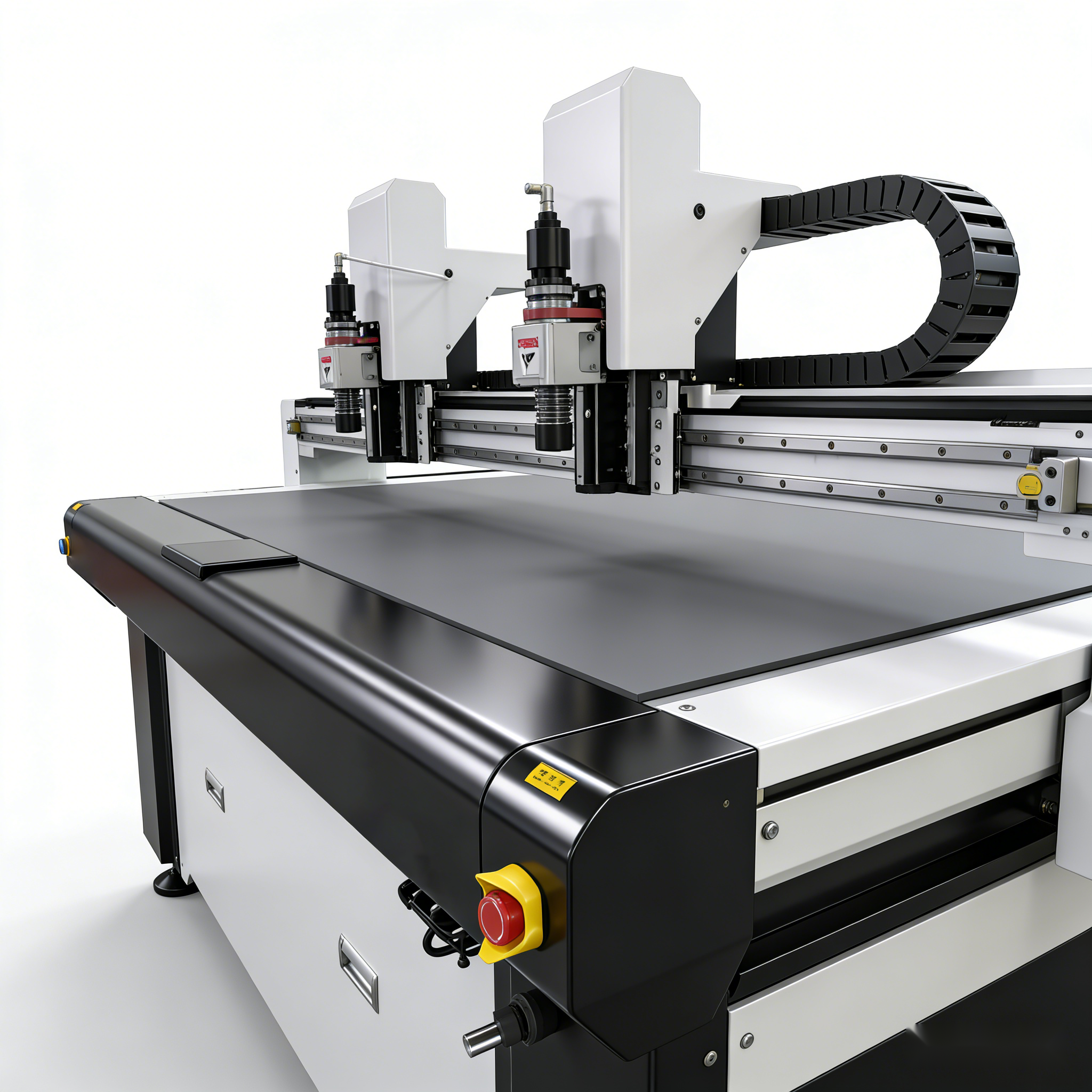
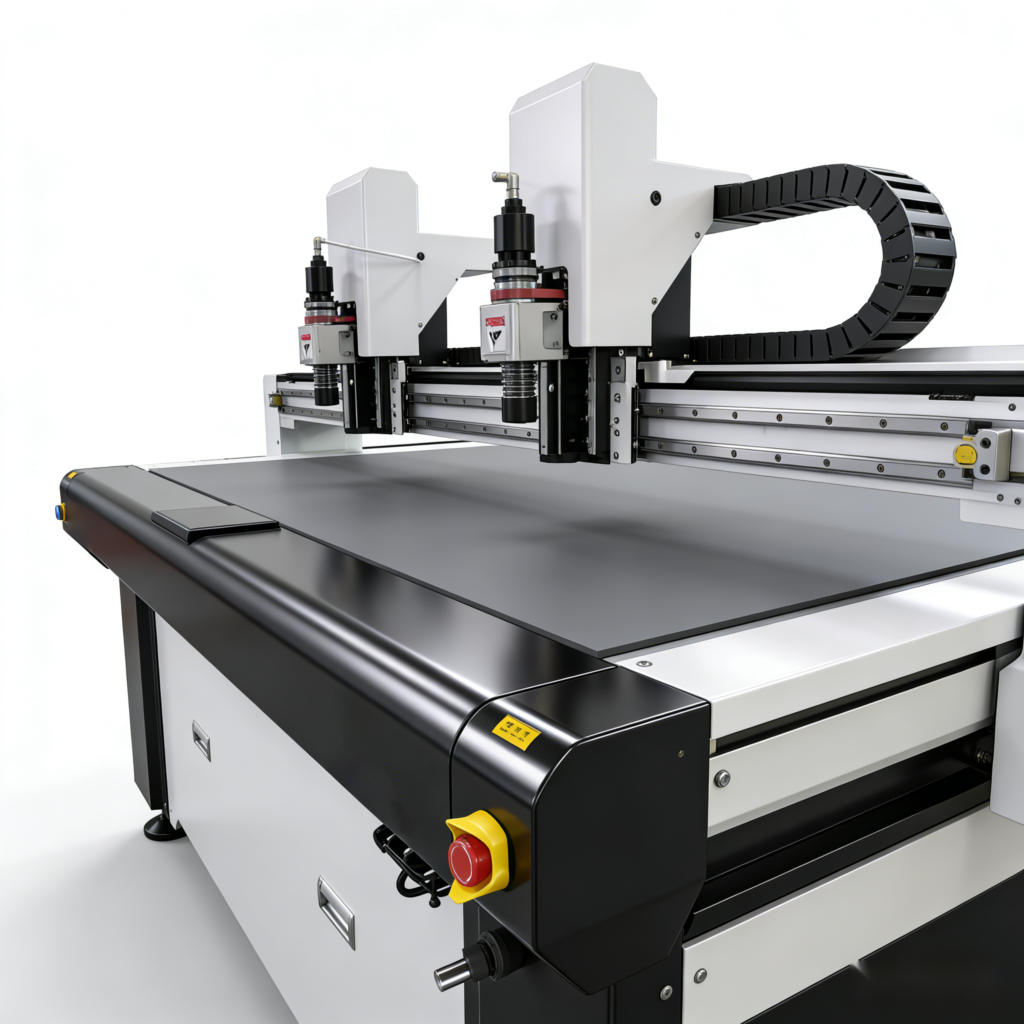
An oscillating knife cutter uses a blade that moves rapidly up and down while the machine follows a digital cutting path. The tool cuts mechanically rather than burning through the material. This is why oscillating knife cutting is often described as a cold cutting process.
For many flexible materials, cold cutting is a major advantage. There is less risk of heat marks, melted edges, discoloration, or smoke. It is especially useful for materials that are soft, thick, layered, or sensitive to heat.
Zund’s electric oscillating tool reference describes this type of tool as suitable for soft to medium-density materials and multilayered materials, with high oscillating frequency for efficient processing. That is the same general reason many flexible-material manufacturers test an oscillating knife before a laser when working with foam, leather, rubber, textiles, or corrugated board.
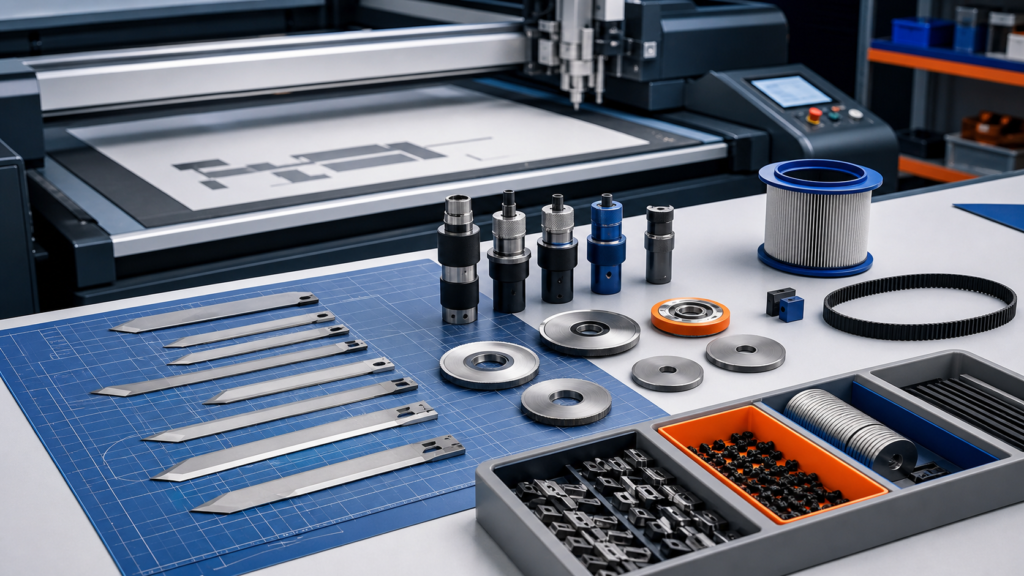
An oscillating knife cutter can also be configured with related tools. For packaging, a creasing wheel may be added. For printed materials, a CCD camera can help align the cut path to printed marks. For roll fabric, conveyor feeding may be more important than the cutter itself.
How Laser Cutting Works
A laser cutter uses focused heat to cut, engrave, or mark a material. The process is non-contact, which means the material is not pushed or dragged by a blade. This can be useful for delicate materials, detailed patterns, and certain textiles.
Laser cutting can also seal the edge of some synthetic fabrics. Eastman describes cut-and-seal as one benefit of laser cutting technical fabrics, while eurolaser also highlights non-contact textile cutting and sealed edges on synthetic textiles. For some applications, this is a real advantage.
However, heat is also the main risk. The same process that cuts cleanly on one material may create burnt edges, smoke, odor, discoloration, melted surfaces, or toxic fumes on another material. Laser cutting therefore needs careful material testing, fume extraction, and safety review.
This is why the question is not “knife or laser?” The better question is: what happens to your exact material when it is cut by each method?
Fabric: Knife or Laser?
Fabric is one of the hardest categories to answer with a single rule because fabric performance depends on fiber content, coating, thickness, stretch, and production workflow.
Laser cutting may be a good test when the material is a suitable synthetic textile and the buyer needs sealed edges, clean details, or non-contact processing. For decorative shapes, technical textiles, and some applications where fraying must be reduced, laser cutting can be valuable.
Oscillating knife cutting is usually the better direction when the buyer wants to avoid heat, smoke, odor, or discoloration. It can also fit apparel sample rooms and textile workshops that need stable digital pattern cutting, especially when the material is roll-fed or when the workflow depends on repeatable fabric pieces rather than edge sealing.
For apparel and textile production, the machine format matters. A conveyor system may be more important than raw cutting speed because it supports continuous roll material handling. JEKE’s automatic fabric cutter category is more relevant for roll-fed fabric and apparel workflows than a general-purpose flatbed table.
If your workshop handles sample patterns, frequent style changes, or single-ply cutting, this related article on single-ply fabric cutting machine can help you think through sample room requirements.
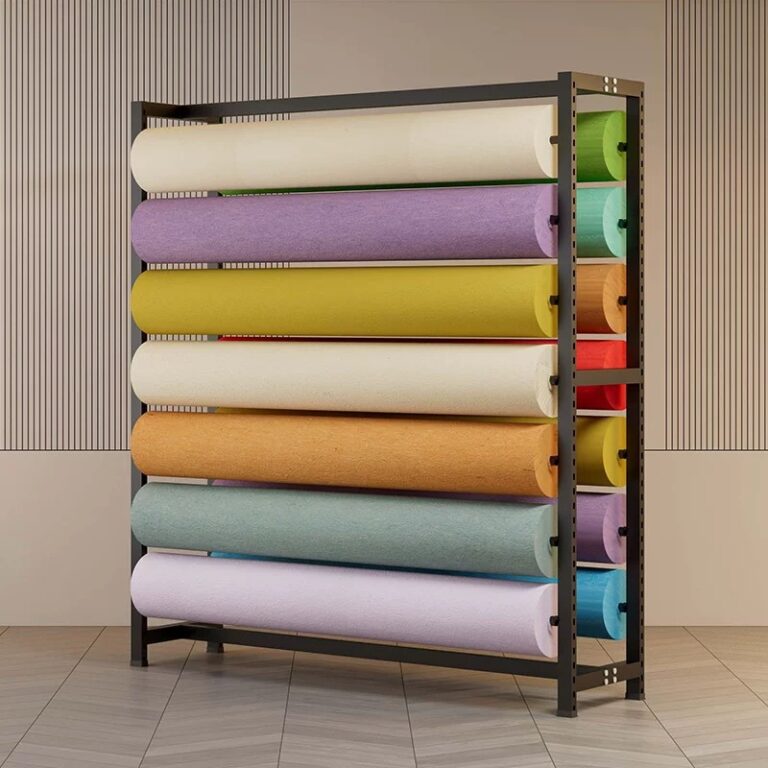
If your main workflow is garment sampling rather than general fabric comparison, read JEKE’s CNC fabric cutting machine for apparel sample rooms guide for single-ply, low-ply, CAD file and conveyor feeding checks.
Foam: Knife Usually Comes First
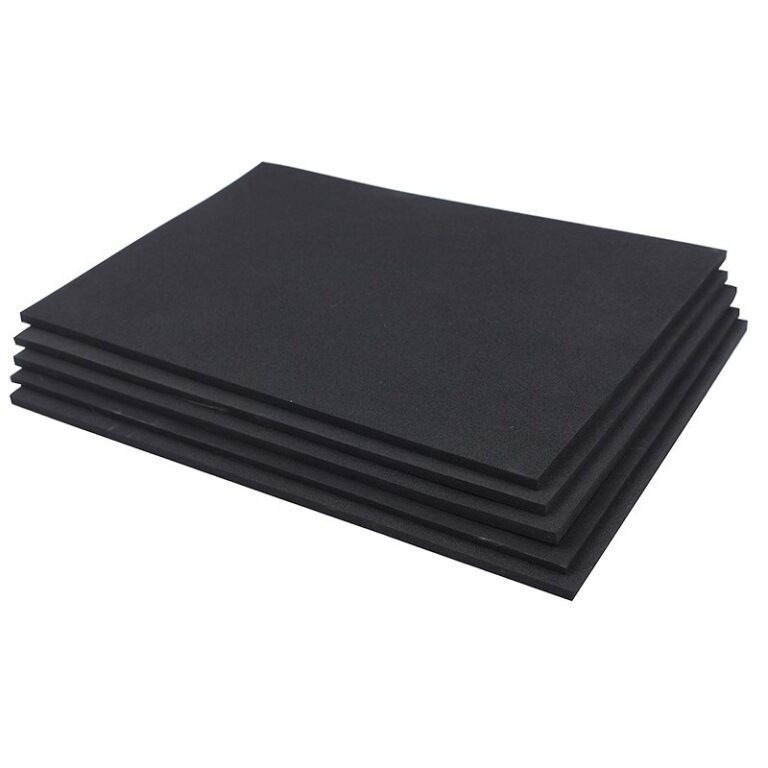
For EVA, EPE, XPE, sponge, and many packaging foams, an oscillating knife is usually the better first test. The reason is simple: many foam materials are sensitive to heat.
With laser cutting, foam may melt, shrink, smoke, or leave an edge that does not match the final product requirement. Even when the laser can cut through the material, the result may not be acceptable for packaging inserts, protective pads, case liners, or display foam.
Oscillating knife cutting avoids direct heat and can produce cleaner edges on many foam materials. But foam still needs testing. Density, thickness, rebound, laminated layers, and inner holes can all change the result.
For a foam packaging insert supplier, the key question is not only whether the machine cuts through the foam. The buyer should test whether the edge stays clean, whether holes remain accurate, whether the material lifts from the table, and whether the cut shape stays stable after release.
JEKE’s CNC EVA cutting machine page is a relevant product direction for EVA and flexible foam applications. For broader foam buying logic, see this guide on CNC foam cutting machine.
Leather and PU Leather: Edge Quality and Smell Matter
Leather and PU leather are sensitive materials because buyers often care about surface appearance, edge color, smell, and texture. A small burn mark or odor problem can make the final piece unacceptable.
For leather cutting, oscillating knife cutting is often the more practical first test. It can cut the shape without applying heat to the edge, which helps preserve the natural or synthetic surface. This is important for bags, shoes, upholstery, automotive interior materials, and other visible parts.
Laser cutting may still be useful in some leather workflows, especially for engraving, marking, decorative patterns, or specific synthetic materials. But before using laser as the main cutting process, test for edge darkening, smell, smoke, surface change, and fume extraction requirements.
If your business cuts leather, PU leather, foam-backed leather, or automotive interior composites, start with the actual material sample. Do not choose the process only from a product photo or supplier video.
Relevant JEKE page: CNC leather cutting machine.
Packaging and Corrugated Board: Cutting Is Not Enough
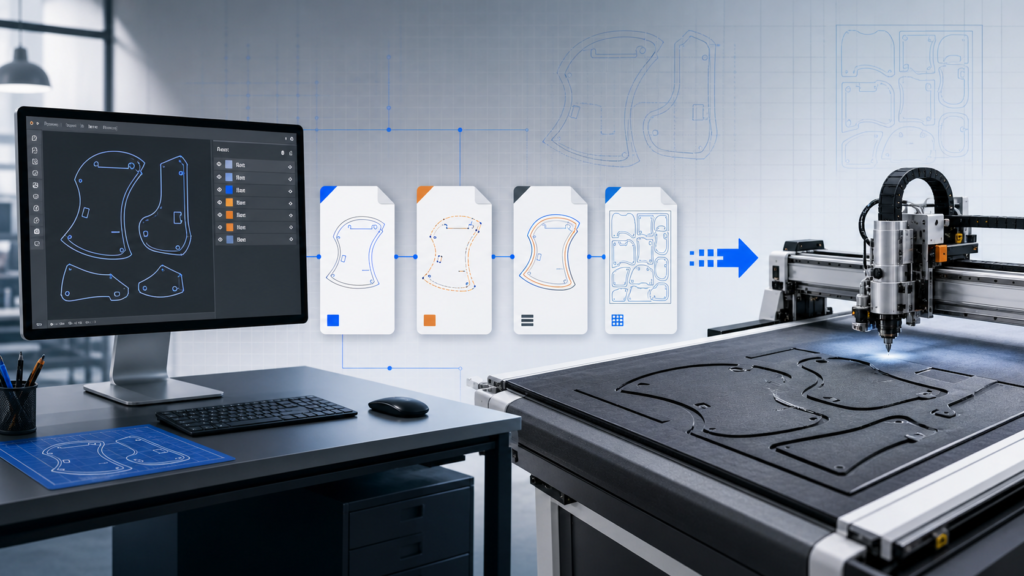
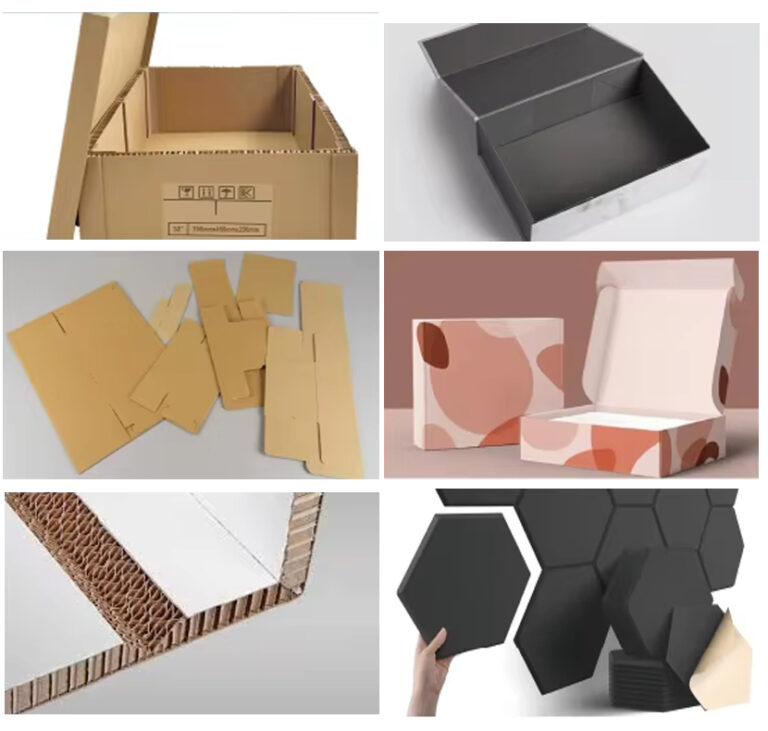
Packaging is different from simple sheet cutting. A carton sample, display stand, or short-run packaging project often needs cutting, creasing, fold lines, and CAD-based sample making.
This is where an oscillating knife cutter can be paired with a creasing wheel. The knife cuts the board shape, while the creasing wheel prepares fold lines so the package can be assembled correctly. Without proper creasing, a cut carton may still fold poorly.
Laser cutting can cut some paper or board materials, but it may not solve the complete packaging workflow. It can also create burnt edges or discoloration depending on the board, coating, and laser settings. For corrugated cardboard, carton samples, and short-run packaging, the first test should usually include both cutting and creasing.
JEKE’s digital die-cutting machine category is the right direction for packaging samples and short-run digital die cutting. This related guide on corrugated cardboard cutting machine explains packaging sample and short-run requirements in more detail.
Comparison Table: Oscillating Knife Cutter vs Laser Cutter
| Factor | Oscillating knife cutter | Laser cutter |
|---|---|---|
| Cutting method | Mechanical cold cutting | Thermal cutting |
| Heat marks | Low risk | Possible, depends on material |
| Smoke / odor | Lower | Needs fume extraction |
| Sealed fabric edge | No | Possible on synthetic textiles |
| Foam cutting | Often better first test | Risk of melting or fumes |
| Leather cutting | Often better first test | Burn marks and smell need testing |
| Corrugated packaging | Strong when paired with creasing wheel | Cutting only may not solve folding |
| Detailed engraving | Limited | Stronger |
| Tooling flexibility | Knife, creasing, camera, feeding | Laser power, lens, fume control |
This table should not be read as a universal rule. It is a practical starting point for deciding what to test first.
Three Practical Buyer Scenarios
Scenario 1: Apparel Sample Room
An apparel sample room usually needs frequent style changes, accurate pattern cutting, and fast turnaround. If the main goal is stable fabric pieces from digital patterns, an oscillating knife system with suitable fabric handling may be the better first test.
If the material is a synthetic textile and sealed edges are required, laser cutting may also deserve testing. The buyer should compare edge quality, smell, speed, material distortion, and whether the production team needs conveyor feeding.
Scenario 2: Foam Packaging Insert Supplier
A foam packaging insert supplier may process EVA, EPE, XPE, sponge, or laminated foam. The main concerns are thickness, density, inner holes, edge cleanliness, and deformation.
For this scenario, an oscillating knife cutter is usually the first test. A laser may cut the foam, but melting, smoke, or edge deformation can become a problem. Sample testing should use the real foam material, not only a similar-looking sample.
Scenario 3: Carton Sample and Short-Run Packaging
A carton sample department needs to move from CAD file to physical sample quickly. Cutting alone is not enough. The sample also needs fold lines, slots, and accurate creasing.
This workflow usually points toward an oscillating knife cutter with a creasing wheel. The buyer should test both the cut edge and the fold quality before deciding on a machine.
What to Test Before Choosing
Before asking for a quote, prepare the following details:
- material name and composition
- thickness and density
- sheet or roll format
- edge quality requirement
- whether sealed edge is required
- whether smoke, odor, or discoloration is acceptable
- whether creasing, kiss cutting, or camera alignment is needed
- maximum cutting size
- daily output target
- sample photo, CAD file, or current cutting video
This information helps the supplier avoid a generic answer. A useful recommendation should be based on your material and workflow, not only on a catalog model.
JEKE Recommendation
For foam, leather, corrugated packaging, and many heat-sensitive flexible materials, JEKE usually recommends testing an oscillating knife cutting solution first. It avoids direct heat and can be configured with tools such as a creasing wheel, drag knife, CCD camera, and conveyor feeding.
For some synthetic fabrics, decorative patterns, and applications that require sealed edges or engraving, laser cutting may also be worth testing. The important point is to check the material response, not to assume one technology is always better.
If you are comparing an oscillating knife cutter vs laser cutter for your own material, send JEKE your material name, thickness, cutting size, sample photo, and production target. Our team can help you decide which process should be tested first and what configuration may fit your workflow.
Contact JEKE for sample testing: https://jekecnc.com/contact-us/
FAQ
Is an oscillating knife cutter better than a laser cutter?
Not always. An oscillating knife cutter is often better for heat-sensitive, soft, thick, or packaging materials. A laser cutter can be better for some synthetic fabrics, sealed edges, fine details, or engraving. The right answer depends on the exact material.
Which cutter is better for foam?
For EVA, EPE, XPE, sponge, and many packaging foams, an oscillating knife cutter is usually the better first test because it avoids heat, melting, smoke, and odor. Real material testing is still necessary.
Can laser cut fabric cleanly?
Yes, laser cutting can work well on some fabrics, especially synthetic textiles where sealed edges are useful. But fabric composition, coating, smoke, odor, and discoloration must be tested before choosing laser as the main process.
Which machine is better for leather?
For leather and PU leather cutting, an oscillating knife cutter is often the more practical first test because it reduces burn marks and smell. Laser can be useful for engraving or special decorative work, but edge and fume testing is important.
Why does corrugated packaging need a creasing wheel?
Corrugated packaging usually needs fold lines, not just cut lines. A creasing wheel helps create controlled folds so carton samples and packaging structures assemble correctly.
What should I send before asking for a quote?
Send the material name, thickness, sheet or roll format, maximum cutting size, edge quality requirement, sample photo, and whether you need creasing, camera alignment, conveyor feeding, or sealed edges.
Conclusion
The choice between an oscillating knife cutter and a laser cutter should start from the material. For foam, leather, and corrugated packaging, oscillating knife cutting is often the safer first test. For certain synthetic fabrics, detailed shapes, and sealed-edge requirements, laser cutting may be useful.
The best decision comes from testing the real material and checking edge quality, smoke, odor, thickness, workflow, and production needs. If you are not sure where to start, contact JEKE with your material details and production target, and our team will suggest a practical sample testing direction.