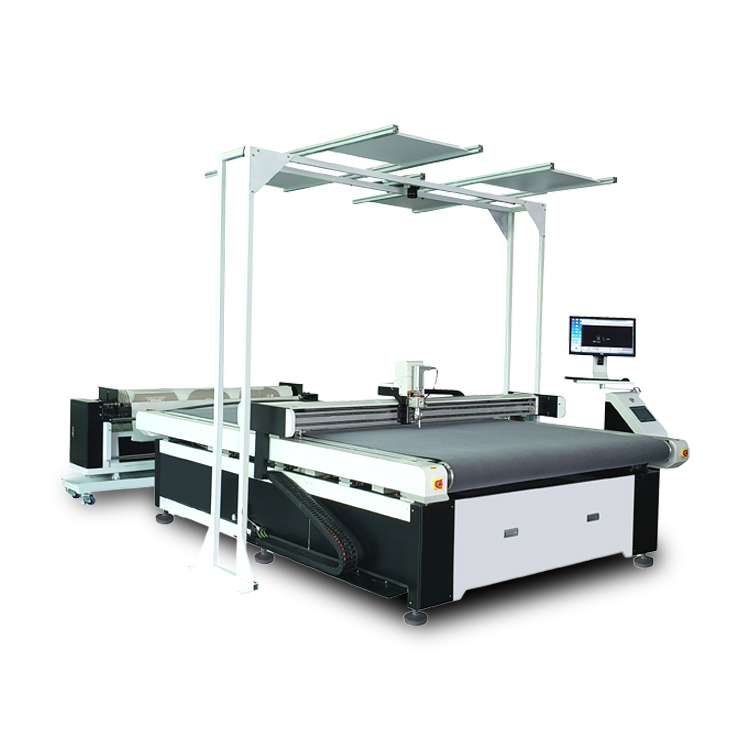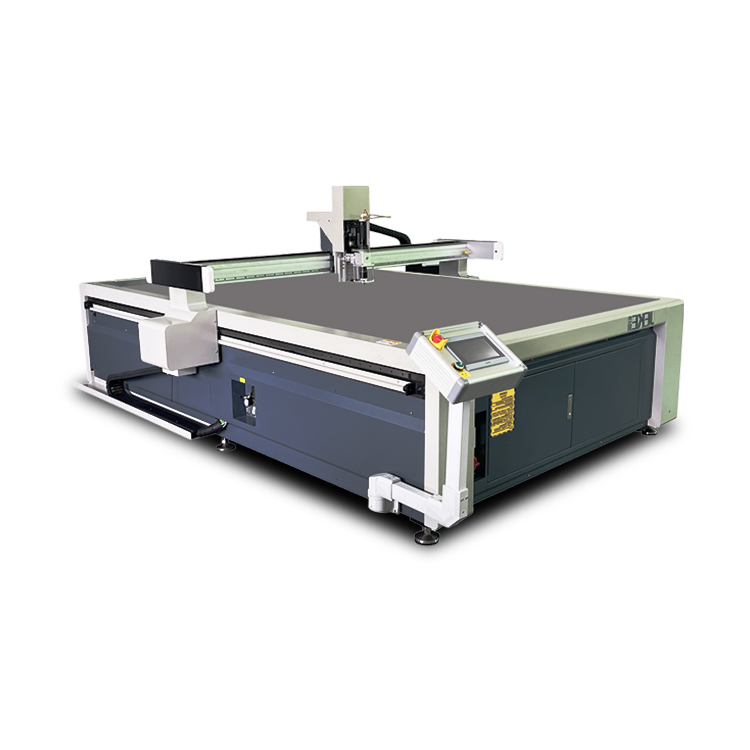
Buyer question: Which tool gives cleaner cuts on woven fabric, knit fabric or textile layers?
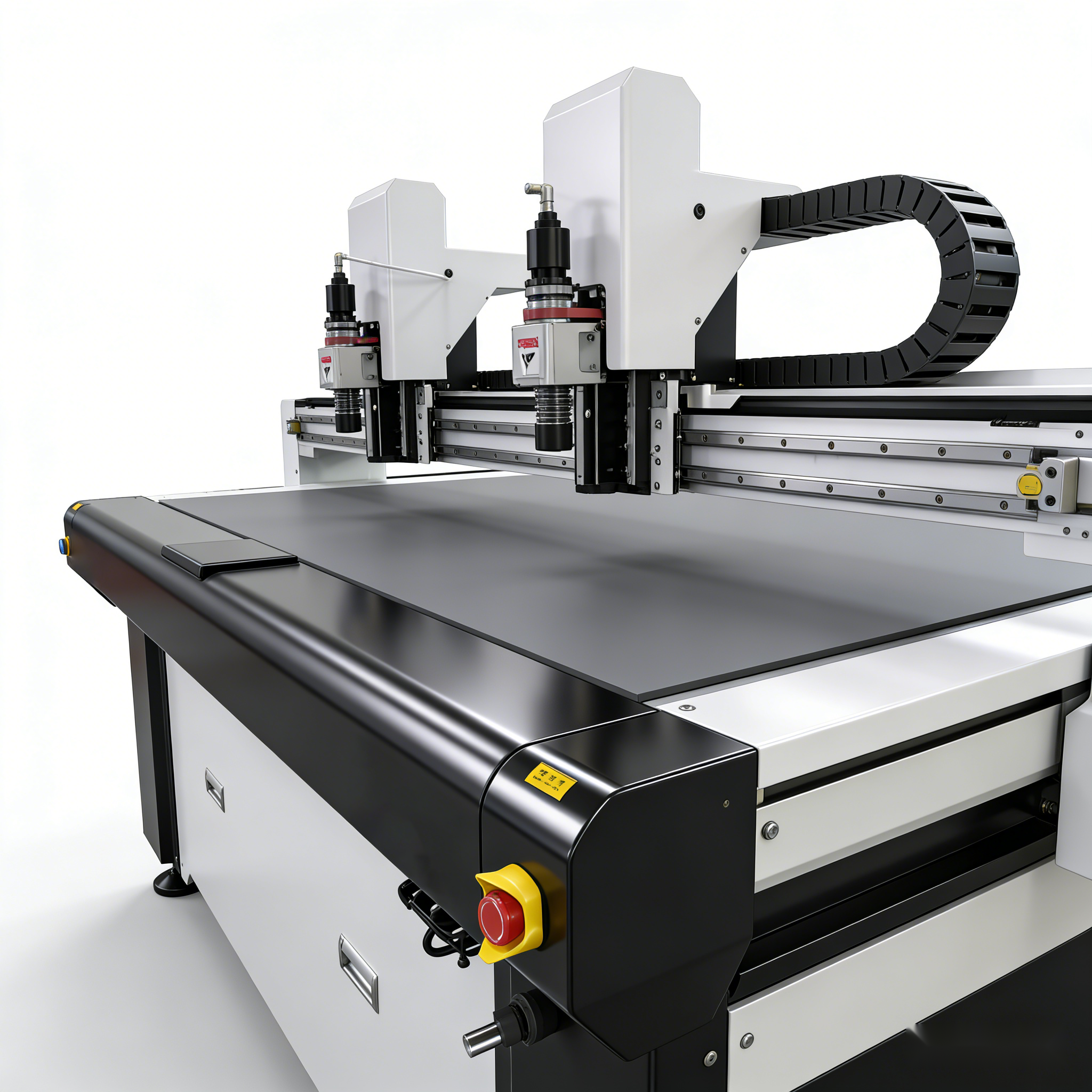
Short answer: Rotary knife and oscillating knife tools solve different textile cutting problems. A rotary knife can be useful for many fabric workflows where smooth continuous cutting is needed. An oscillating knife can be more flexible across thicker, denser or mixed soft materials. The best choice depends on fabric type, stretch, ply count and shape complexity.

Who this answer is for
This page is written for B2B buyers, distributors and factory users who are close to a purchasing decision. It focuses on what to verify before asking JEKE for a configuration quote, not on generic CNC definitions.
Decision factors to check
| Decision factor | Why it matters | What to send or confirm |
|---|---|---|
| Woven fabric | Often needs stable edge and accurate pattern following | Test both speed and edge quality |
| Knit or stretch fabric | Can move or deform during cutting | Check hold-down and feeding method |
| Thicker textile layers | May need stronger oscillating action | Confirm layer count and compression |
| Long smooth curves | Rotary knife may fit some fabric workflows | Compare sample videos |

What to send before asking for a quote
- Material name, thickness and whether the material is sheet, roll, layered, printed or compressed.
- Maximum material size, largest finished part and expected daily or weekly output.
- Drawing file format such as DXF, AI, PDF or PLT, plus photos of the current process if available.
- Required functions such as through cutting, creasing, marking, punching, kiss-cut, V-cut or camera positioning.
Common buying mistakes
- Assuming one knife tool cuts all textile materials equally well.
- Not testing stretch fabric under real hold-down conditions.
- Choosing speed over edge quality and sewing alignment.
Evidence this page should collect
- Fabric edge close-up
- Knife tool photo
- Speed and accuracy test
- Fabric type list
Recommended JEKE next step
Send fabric type, roll width, ply count and sample pattern. JEKE can test rotary and oscillating knife options for your textile workflow.
Useful internal links: CNC clothing fabric cutting machine Textile fabric CNC cutting machine Contact JEKE
Buyer FAQ
Can JEKE recommend a machine without a material sample?
JEKE can give an initial direction from material type, thickness and application, but a real sample test is safer before confirming the final configuration.
Is the cheapest quote the best quote?
No. Compare table size, tools, camera system, vacuum hold-down, software workflow, spare parts, training and after-sales support before comparing price.
What is the fastest way to move forward?
Send material details, photos, drawings and target output through the JEKE contact page so the recommendation can be tied to a real production workflow.