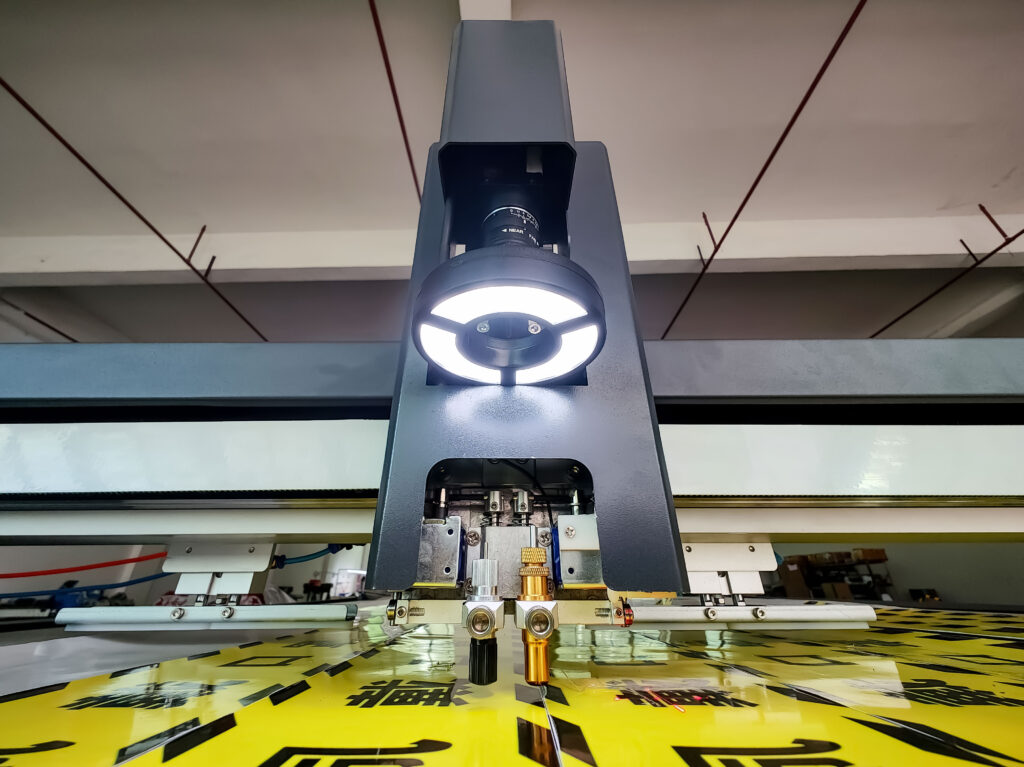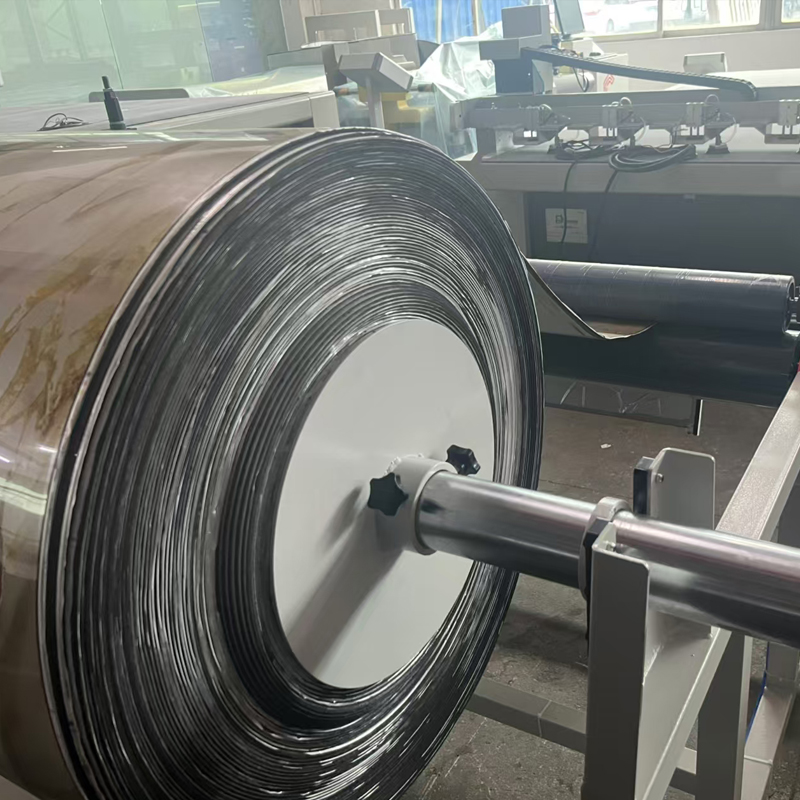
Evaluate toe-puff and heel-counter cutting on the exact reinforcement material supplied for the shoe. Confirm that the proposed knife setup produces the required outline and edge before testing the blank through the approved activation or forming process. Cutting qualification and final shoe-fit approval need connected records.
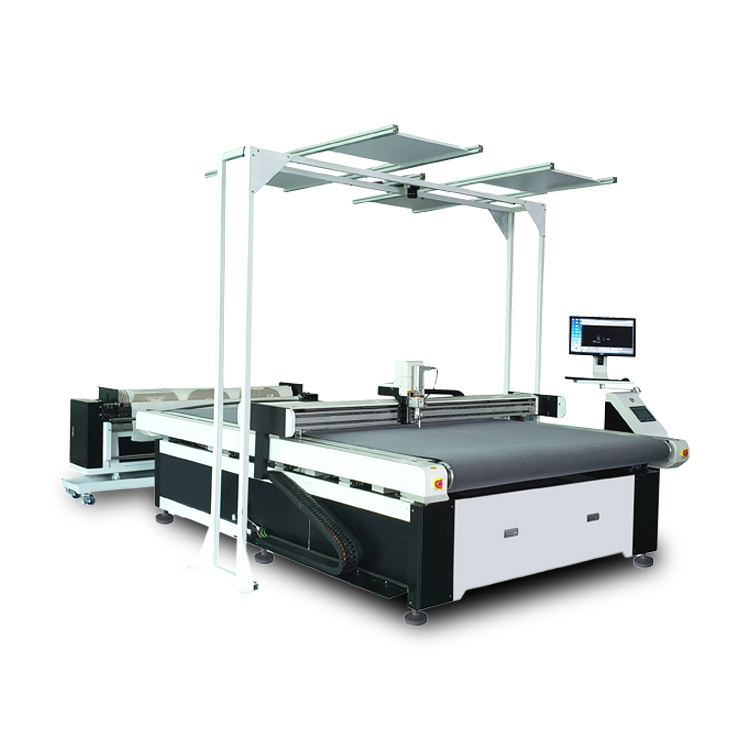
Identify the stock and the finished edge requirement
Record material grade, thickness, backing or coating and storage condition. Mark face orientation, left-right identity and any required direction on the patterns. Ask whether the job needs only a two-dimensional outline or an additional edge-thinning operation. A contour cut does not by itself establish skiving or a tapered profile.
| Feature | Inspection |
|---|---|
| Outer contour | Agreement with the released pattern after removal |
| Narrow extension | Integrity during pickup and handling |
| Edge | Clean separation and suitability for the next operation |
| Formed component | Fit and appearance on the intended last or reference |
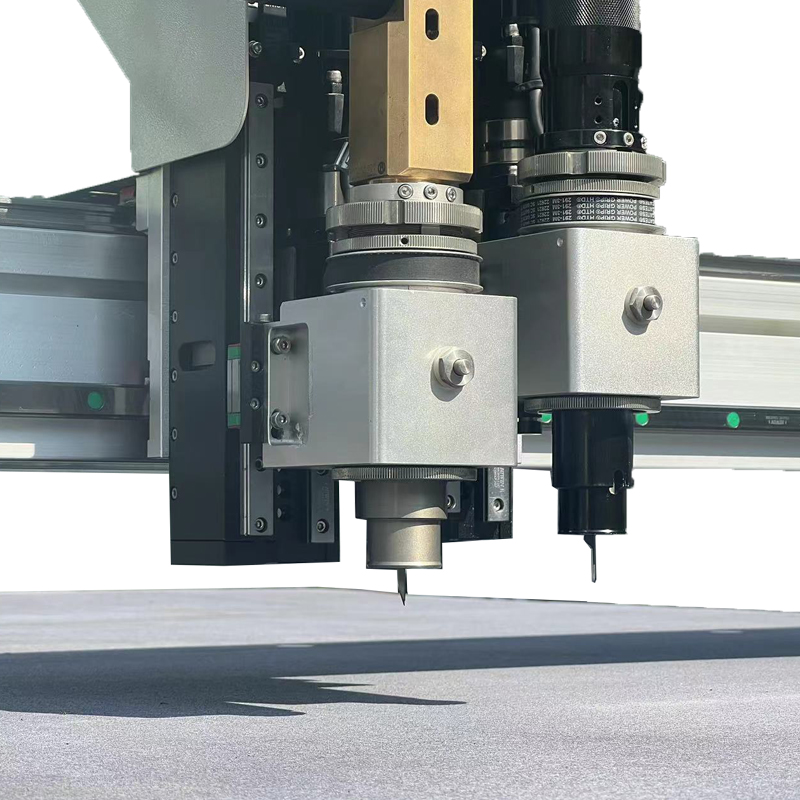
Trial the smallest and largest relevant patterns
Use production stock and the intended software file. Inspect the backing and both sides of each cut edge. Keep a record of blade, tool and holding conditions. Compare left and right pieces with the approved pattern before passing them to the sample maker. Identify pieces by size and side so later fitting observations can be traced to the cut file.
Have the shoe-production team follow its approved forming and assembly procedure. Check alignment, edge visibility and the geometry after forming. If the result fails, separate the cut-outline check from material and forming variables. Include any additional operations in the cost and cycle comparison before agreeing that the cutter covers the full process.
Frequently asked questions
Does a successful upper-leather test qualify this material?
Run a dedicated trial on the reinforcement construction and its downstream operation.
Can I combine several materials in one job?
Confirm the tooling and recipe for each stock, then time the actual material changes and pickup process.
What should be written into the offer?
List the qualified materials, outline and optional operations, tool configuration and the accepted sample references.
Related equipment and application guides
Explore the JEKE digital cutting machine range and material application overview. For the related decision, read How Do I Turn a New Shoe Design into a Complete Cut Sample Kit?.
Discuss your cutting project with JEKE
Consider JEKE for a material-led digital cutting equipment evaluation. Ask the team to connect your application requirements with a documented machine configuration and sample-testing plan.
Send JEKE production reinforcement sheets, left-right patterns and the forming and assembly acceptance requirements. Contact JEKE to request a configuration review and discuss sample testing. Confirm material suitability, included options and acceptance criteria in the written proposal.