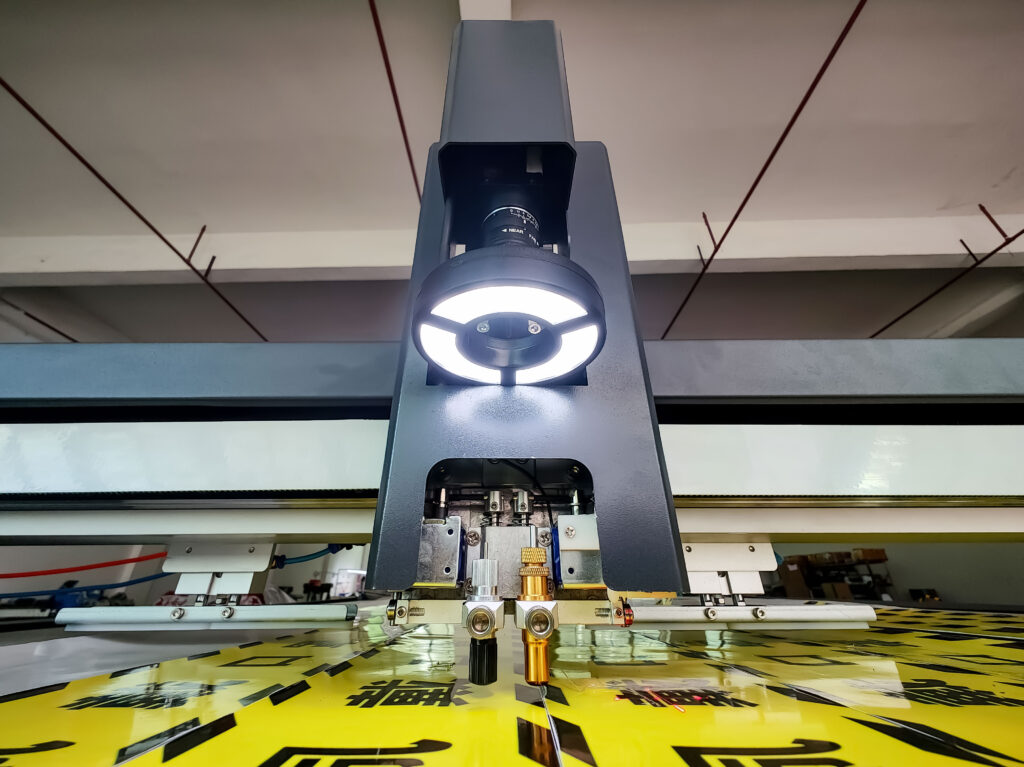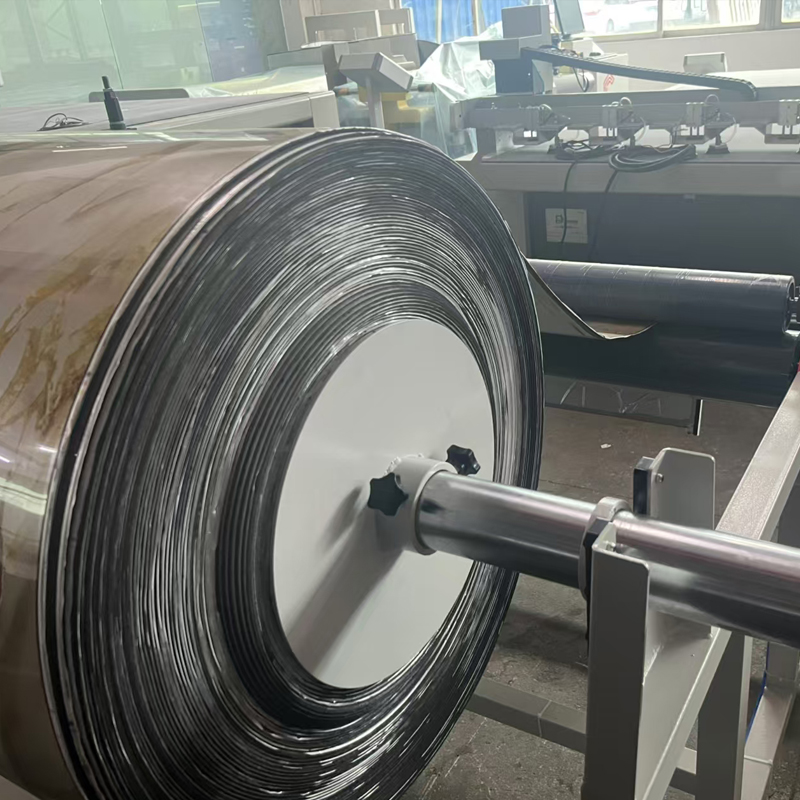
Turn a new shoe design into a shoe sample cutting kit by releasing a complete part list against approved patterns and materials. Include uppers, linings, reinforcements and any other cut components within the project scope. Count complete left-right sets and verify the first kit through assembly before repeating the job.

Build a parts list around the physical sample
Record style, size, side, pattern revision, material and the quantity of every component. Clarify whether allowances, folding lines, notches and punching are already included. Confirm the intended face and direction for each material. Separate approved geometry from any design work still required. A cutter can reproduce the supplied paths, while pattern development and fit approval need named owners.
| Kit element | Check before cutting |
|---|---|
| Upper and visible parts | Face, direction, cosmetic zones and handedness |
| Lining and reinforcement | Thickness, material identity and any separate allowances |
| Reference marks and holes | Operation assignment and visibility in assembly |
| Pickup package | Piece count, size, side and drawing revision on the kit record |
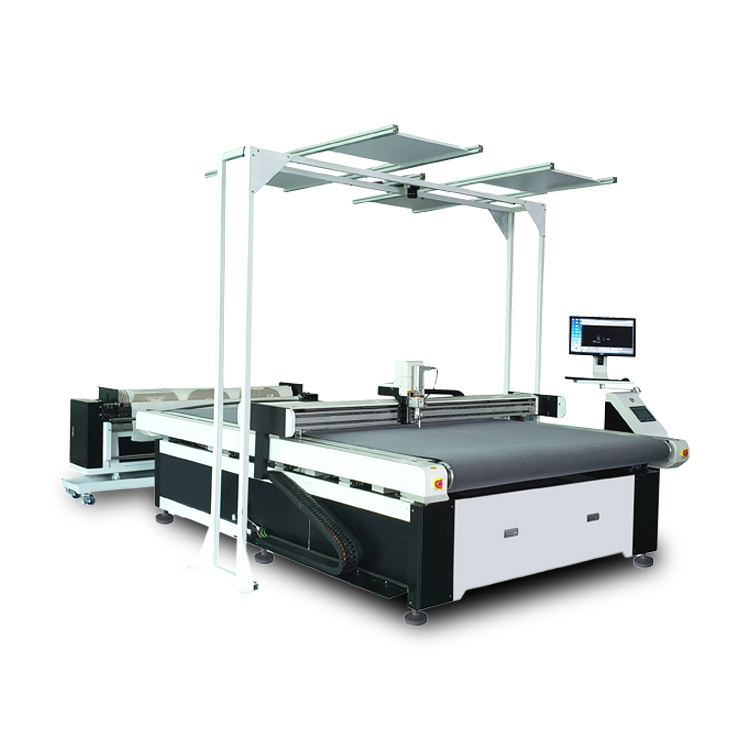
Cut and assemble one complete set first
Select the proposed tools through material trials and inspect the smallest features. Collect the first kit in a defined tray, keeping materials and left-right pieces identifiable. Have the sample maker assemble it using the intended sequence. Record where edges, holes or reference points fail to align. Distinguish a pattern problem from a cutting deviation by comparing the released geometry with the actual piece.
After revisions are approved, issue a new kit record and withdraw the superseded file from production access. Time preparation, material changes, cutting, pickup and assembly feedback separately. This gives a realistic development schedule for the next design without promising a fixed turnaround from the machine’s cutting cycle alone. Retain an approved physical set and the corresponding file versions for repeat samples.
Frequently asked questions
Can all materials share one cutting setup?
Confirm each construction and tool assignment. Leather, lining and reinforcement may require separate validated recipes.
Should I cut several sizes immediately?
Approve the initial fit and the size-grading information, then verify the relevant size range before repeating sets.
What should I send for a sample-kit discussion?
Give JEKE the part files, materials, per-side quantities and assembly reference. Ask for a scope that identifies included cutting and marking operations and any unresolved pattern decisions.
Plan a sample trial with JEKE
Contact JEKE with the trial details above. Explore the digital cutting machine range and check the material application overview for context.
Related guide: What Should a Shoe-Upper Factory Test Before Buying a Leather Cutting Machine?.