
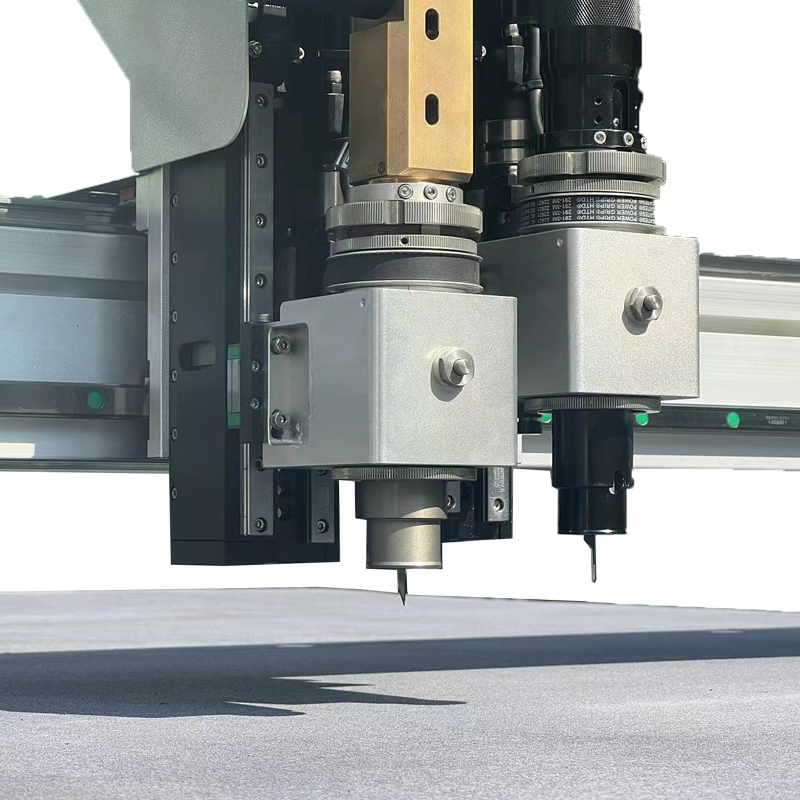
Qualify PET felt acoustic panel cutting by inspecting the released edge and assembling the intended joint. A bevel tool and a through-cut tool may serve different operations. Confirm the proposed setup on your felt grade because density, thickness and backing influence edge appearance and fit.
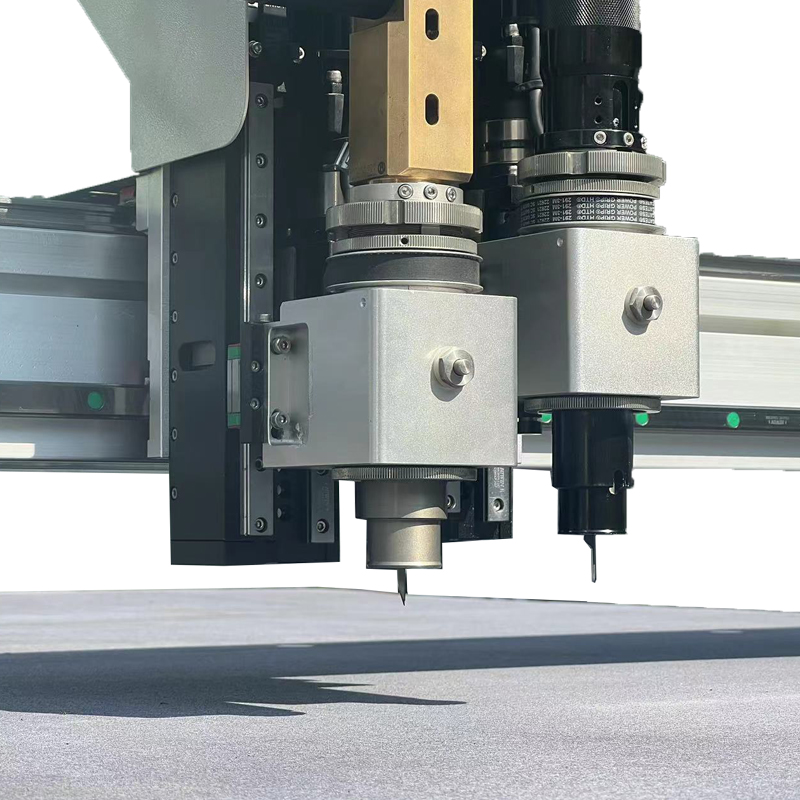
Define the visible edge and the joint
Mark which faces and edges remain visible after installation. Specify the bevel angle through a drawing that makes the finished shape clear. For slots, include the mating panel and any required assembly clearance. Record sheet thickness at representative locations using a consistent method. Clarify whether the panel needs surface grooves, full-depth cuts or both.
| Feature | Inspection |
|---|---|
| Beveled edge | Angle, straightness, loose fibers and visible face condition |
| Slot | Released width and the force needed to fit the mating part |
| Narrow bridge | Integrity after removal and repeated assembly |
| Full panel | Overall fit, squareness and appearance in the installed orientation |
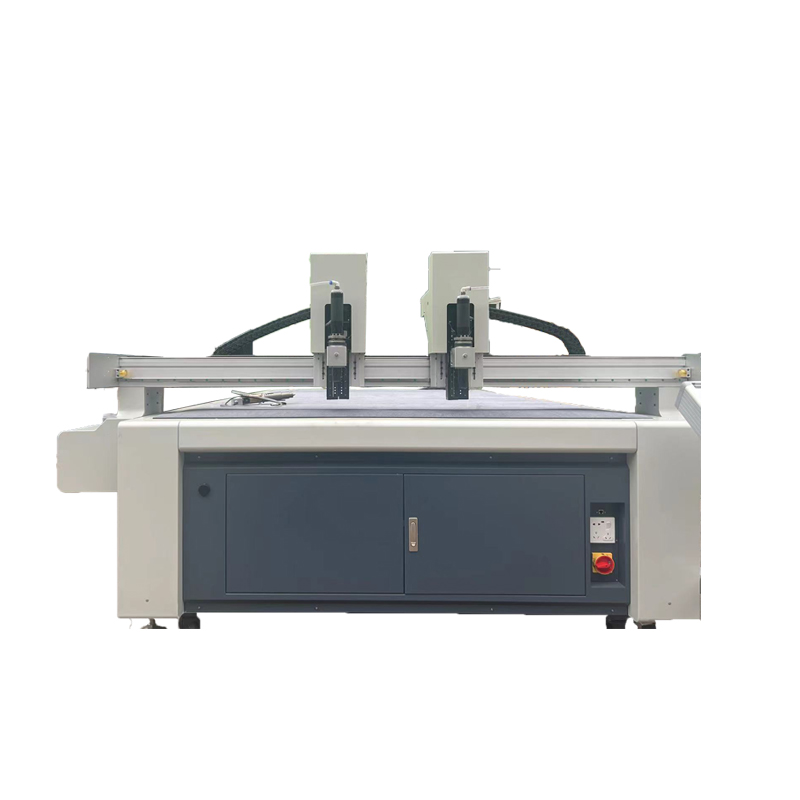
Start with a joint coupon and finish with a panel
Cut several slot variants around the intended dimension and label them separately. Measure after release, then insert the actual mating material. Inspect for compressed edges, fiber pullout and looseness after disassembly. Compare the bevel on short straight cuts and on the longest visible edge. Retain the tool and setup record with the sample.
After the coupon passes, assemble full panels in the intended frame or layout. Check whether cumulative fit differs from the small sample and record scrap during pickup. Confirm appearance under the agreed lighting. Acoustic, fire or environmental product claims require their relevant product evidence and approval. The cutting trial should state the geometry and finish it actually verifies.
Frequently asked questions
Can one blade make every bevel and slot?
Ask the supplier to specify the required tools and the sequence used on the sample file.
Should I accept the tightest possible slot?
Agree on installation effort and repeatability across the allowed thickness range. A joint that fits only one sample can create assembly problems.
What belongs in the acceptance record?
Include material identity, measured thickness, tool setup, visible-edge reference and the assembled joint criteria.
Related equipment and application guides
Explore the JEKE digital cutting machine range and material application overview. For the related decision, read What Materials Can a CNC Oscillating Knife Cutter Cut?.
Discuss your cutting project with JEKE
Consider JEKE for a material-led digital cutting equipment evaluation. Ask the team to connect your application requirements with a documented machine configuration and sample-testing plan.
Send JEKE PET felt samples, thickness, bevel drawings and a slot-and-tab assembly file. Contact JEKE to request a configuration review and discuss sample testing. Confirm material suitability, included options and acceptance criteria in the written proposal.