Embark on a journey of knowledge as you navigate through our rich collection of articles.
How to Plan Printing, Laminating, Cutting, and Outsourcing in a Small Shop
10/16/2026
Amanda Ye
A small shop should decide what to keep in-house by mapping material movement, queues, rework, floor space, utilities, safety clearances, quality feedback, and external handoffs. The most expensive layout mistake is often not the machine footprint; it is missing space for loading, curing, laminating, inspection, storage, waste, or maintenance.
Map jobs and material flow
Draw the real path: receive material, store, print, cure, laminate, cut, inspect, rework, pack, and dispatch. Mark queues, crossings, contamination risks, and every point where a file or physical item changes owner.
Measure the real space envelope
For each process, record equipment footprint plus operator access, loading and unloading, maintenance access, material turning, work-in-progress storage, and waste removal. Confirm power, air, ventilation, noise, extraction, network, and fire or occupational-safety requirements with qualified local professionals.
Zone
Space to measure
Common hidden requirement
printing
loading and curing
media staging
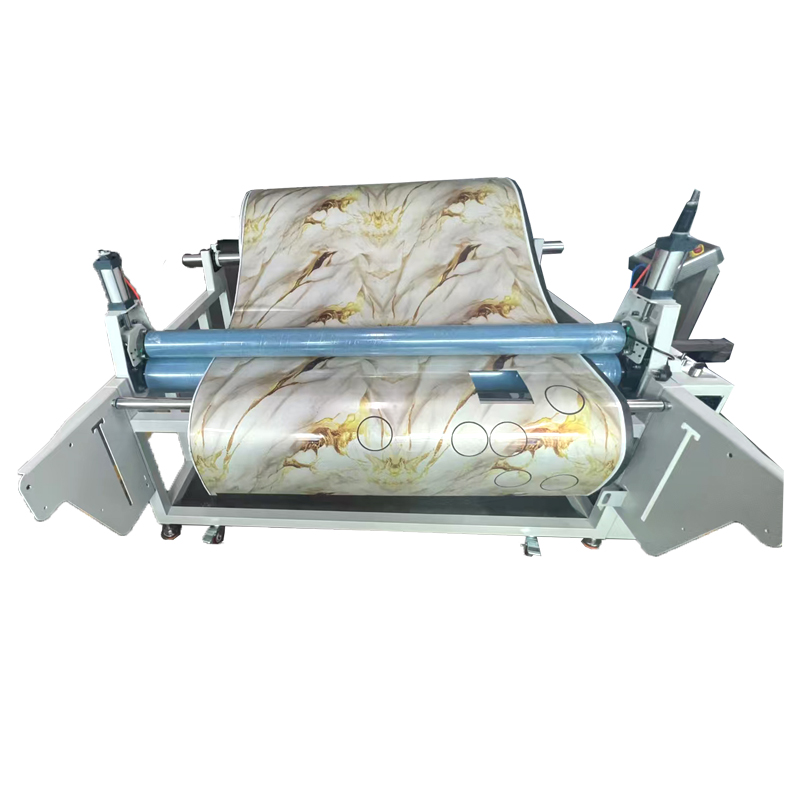
laminating
infeed/outfeed
clean buffer area
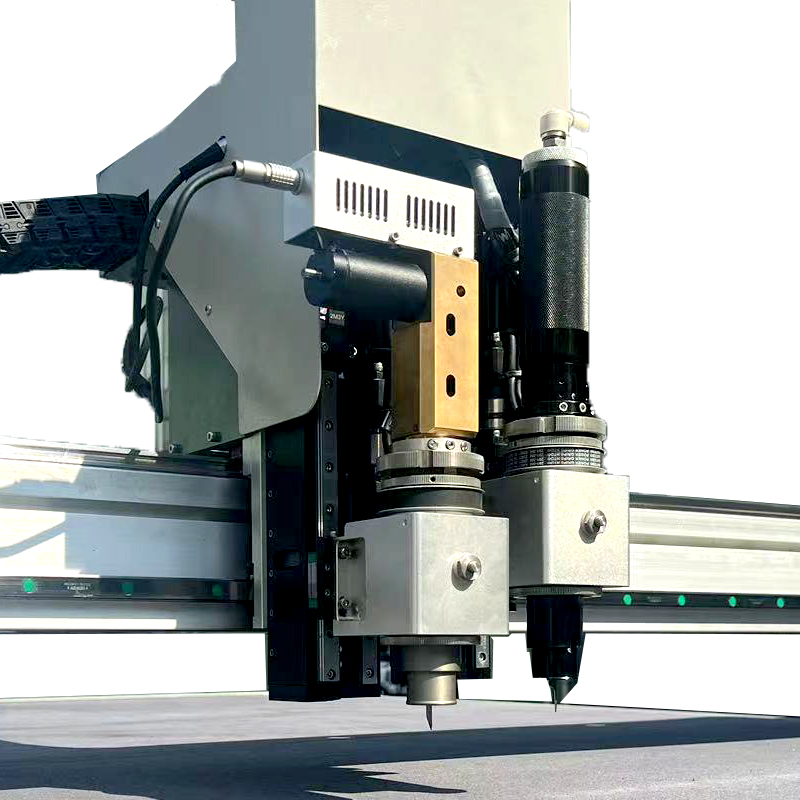
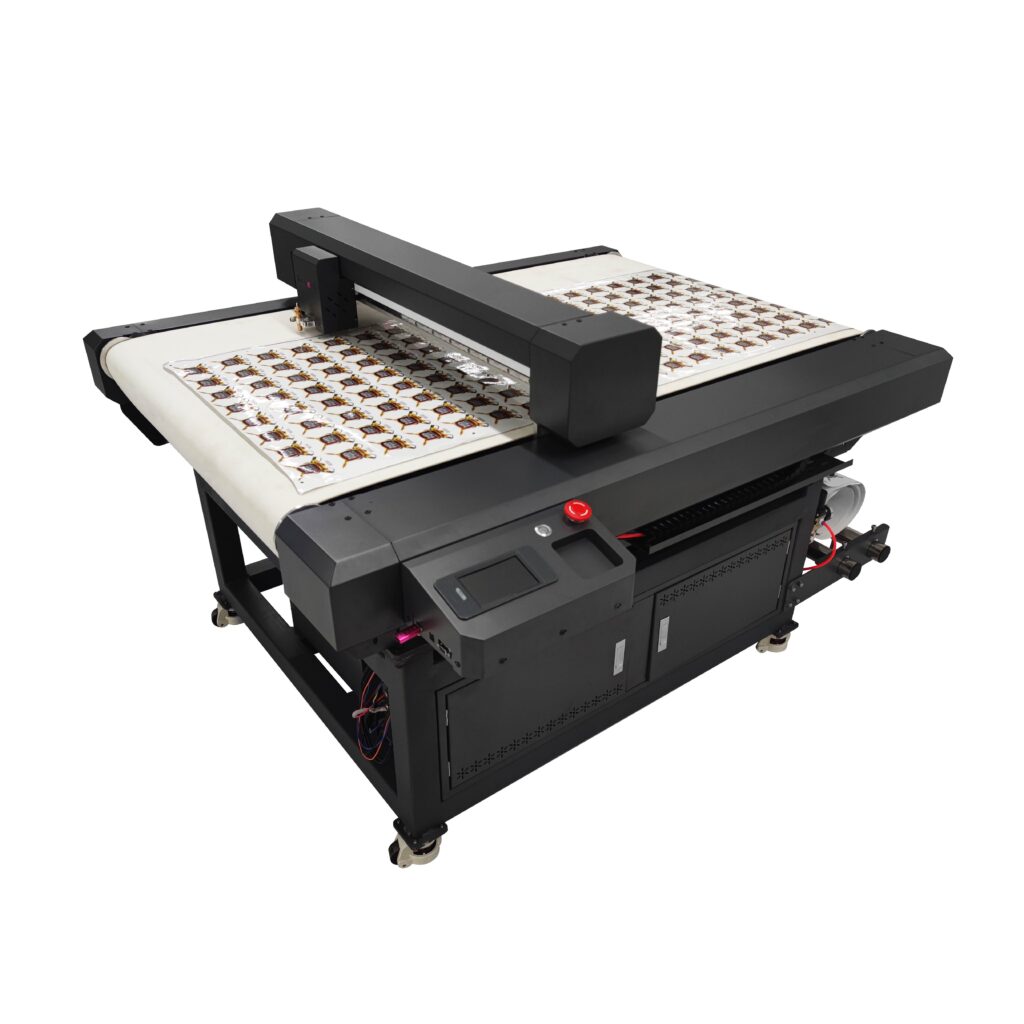
cutting
table and access
full-sheet handling
inspection
viewing and measuring
rework queue
external handoff
packing and pickup
version identification
Decide what must stay in-house
Fast revisions, confidential jobs, daily bottlenecks, and processes requiring immediate operator feedback may justify internal control. Keep a process inside only when the team can support its space, skills, utilities, maintenance, and utilisation—not merely because ownership feels convenient.
Decide what can be outsourced
Rare capabilities, peak loads, oversized work, or specialist finishing may suit outsourcing. Define lead time, transport, minimums, file checks, proof approval, confidentiality, remake responsibility, and acceptance before relying on a provider.
Design a hybrid workflow
Use consistent job IDs, filenames, versions, colour settings, proofs, and change approvals across internal and external steps. Reserve buffer time and physical space at each handoff. A revised file should never be confused with the approved version already at a supplier.
Pilot before changing the layout
Track travel distance, queue time, setup time, touch time, defects, rework, and external delay for one representative job family. Change one part of the layout or sourcing model and measure again.
Frequently asked questions
Which finishing step needs the most buffer space?
There is no universal answer. Observe where work waits, must remain clean or flat, needs curing, or accumulates before the next process.
When should cutting remain in-house?
When rapid revisions, confidentiality, daily demand, quality feedback, and operational readiness justify internal control under your own measurements.
How should outsourced files be controlled?
Use a unique job and revision ID, approved proof, change log, acceptance criteria, and named owner for every handoff.
Next step
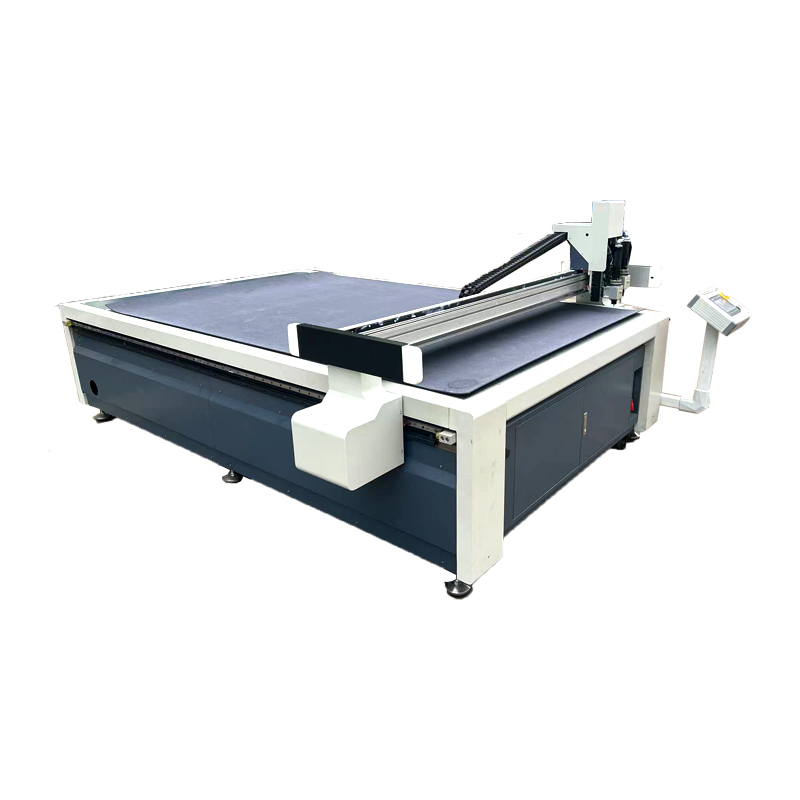
Share your site dimensions and one representative workflow with JEKE to confirm only the proposed cutter's documented space and sample-test needs. This is not architectural or safety certification.