Embark on a journey of knowledge as you navigate through our rich collection of articles.
Roll Cutter vs. Flatbed Cutter vs. Die Cutting for High-Volume Vinyl Graphics
11/05/2026
Amanda Ye
Choose a vinyl cutting workflow by evaluating the complete order: material and liner, kiss cut or through-cut, shape complexity, quantity, repeat frequency, registration, weeding, sorting, packing, changeovers, and local service. Cutting speed alone cannot identify the best process.
Define the vinyl order
Record material construction, thickness, finish, adhesive, liner, roll or sheet format, quantity, shape, smallest detail, repeat frequency, delivery window, and finished form. Separate kiss cutting from through-cutting because they create different handling and tool requirements.
When roll cutting fits
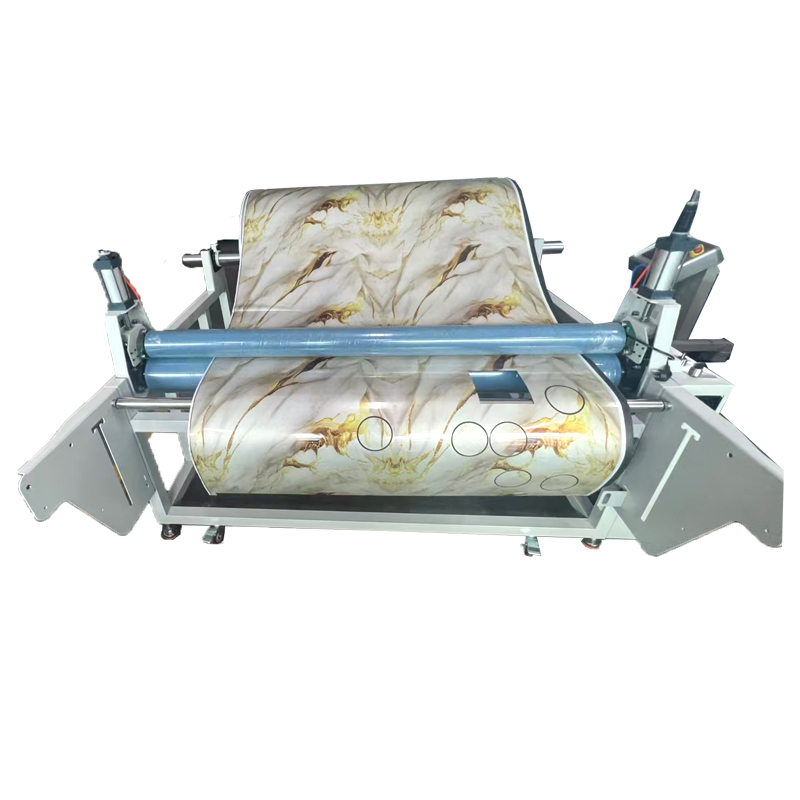
Roll cutters can fit continuous roll workflows and repeated contour-cut jobs. Evaluate tracking over the real job length, mark reading, media tension, liner behaviour, changeovers, and the steps that follow cutting. Complex shapes or full through-cuts may change handling and collection needs.
When flatbed cutting fits
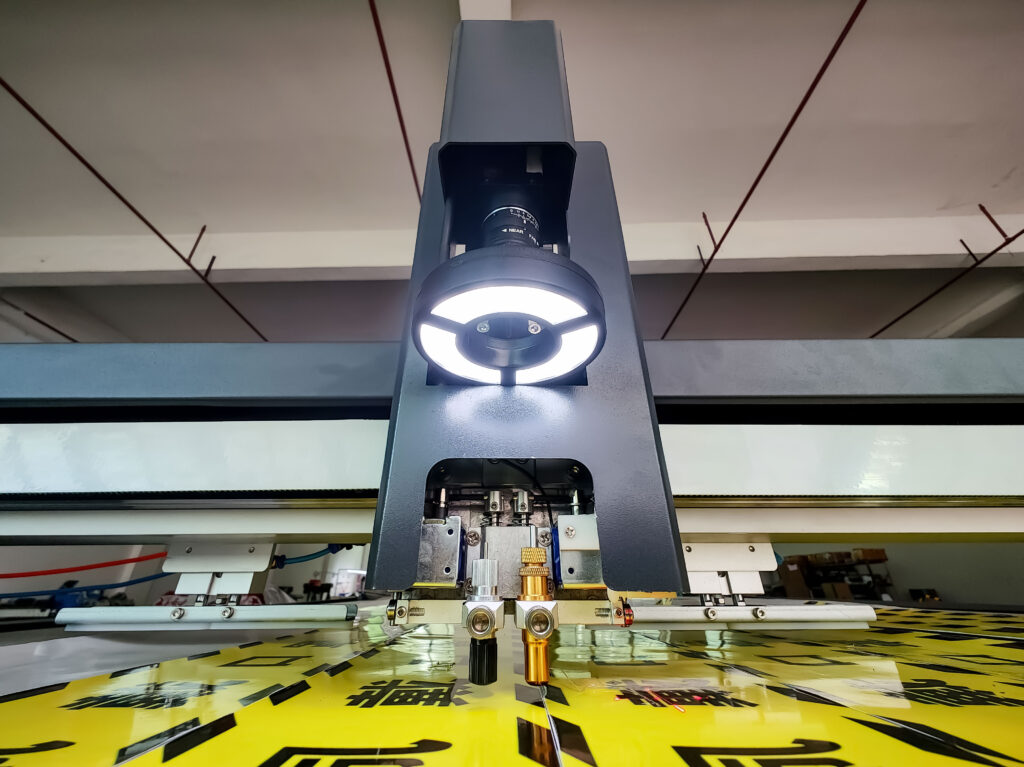
Flatbeds may be considered for sheets, thicker constructions, through-cuts, mixed operations, or jobs requiring stable table support. Test loading, hold-down, printed registration, tool selection, offcut control, unloading, and part collection. Do not generalise from one vinyl product to all constructions.
When outsourced die cutting fits
External die cutting may fit stable, repeat, high-volume designs when tooling, minimums, revisions, lead time, freight, and supplier dependency are acceptable. A design change can alter the economics, so include die modification or replacement and approval cycles.
Include weeding and finishing labour
The finished order—not the cutter cycle—is the correct unit of comparison. Time setup, cutting, weeding, sorting, masking or transfer, inspection, packing, and rework separately.
Stage
Roll cutter
Flatbed cutter
Outsourced die cutting
setup
media, marks, tracking
sheet, vacuum, tools
file, die, proof
cutting
continuous workflow
table cycles
supplier production
finishing
weeding and roll handling
collection and sorting
receipt and inspection
change
file/setup change
file/tool/setup change
die and approval change
Run an order-level comparison
Use the same file, material, quantity, acceptance standard, and delivery requirement. Compare low, normal, and peak scenarios. Record real labour and rejects rather than claiming a generic ROI or volume threshold.
Frequently asked questions
Is flatbed cutting better for thick vinyl?
Thickness alone is insufficient. Construction, liner, adhesive, cut type, shape, hold-down, tool, and finished-order workflow must be tested.
When can die cutting suit repeat work?
When a design is stable, volume is repeatable, and tooling, minimums, lead time, revisions, and external quality control are acceptable.
How should weeding time be measured?
Use representative artwork and count all operator time from cut completion to accepted, sorted output. Include difficult details and rework.
Next step
Send JEKE a representative order file, identified vinyl, quantity, cut type, and finishing requirements to define a timed sample test. No output or labour-saving result is guaranteed.