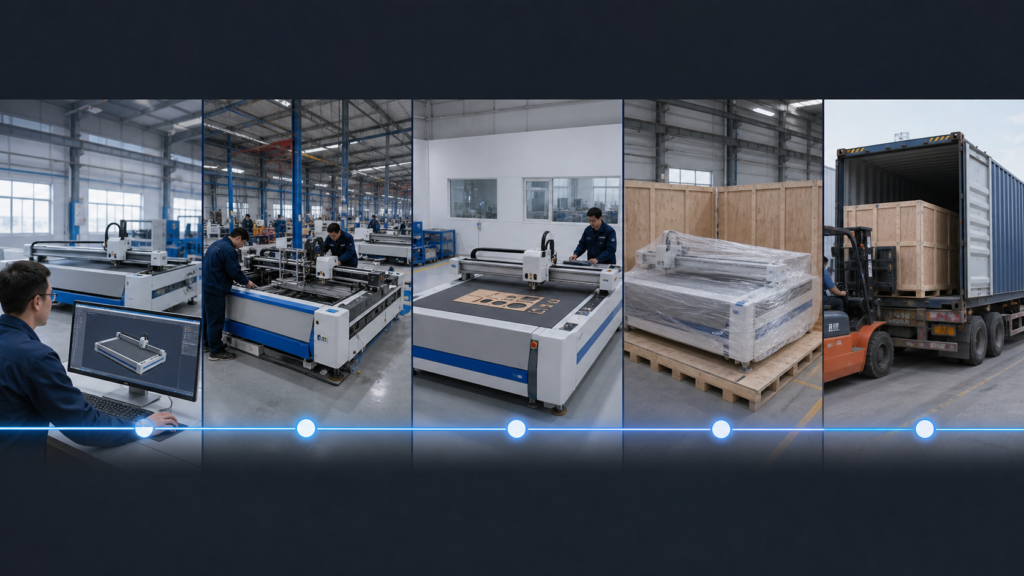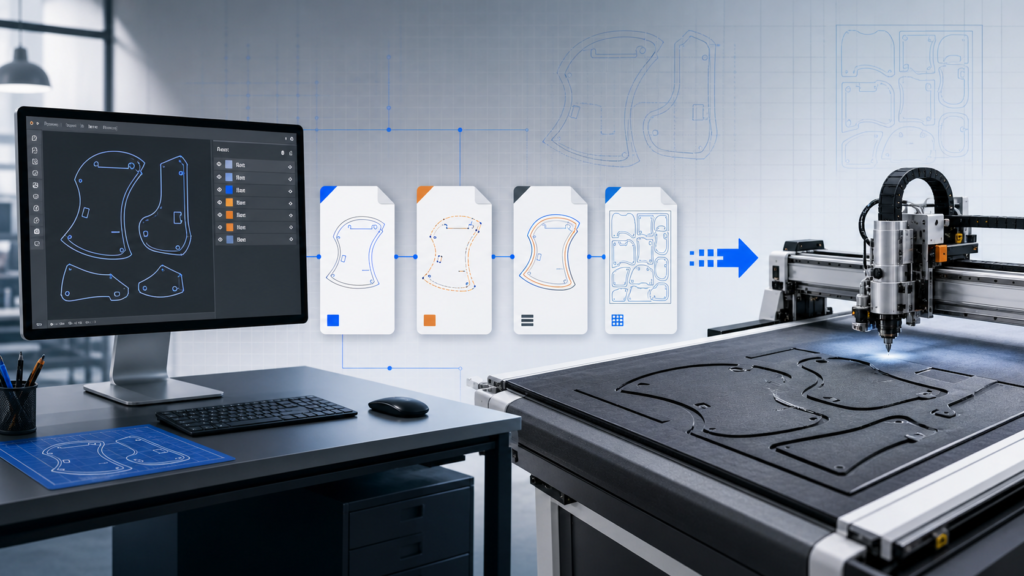
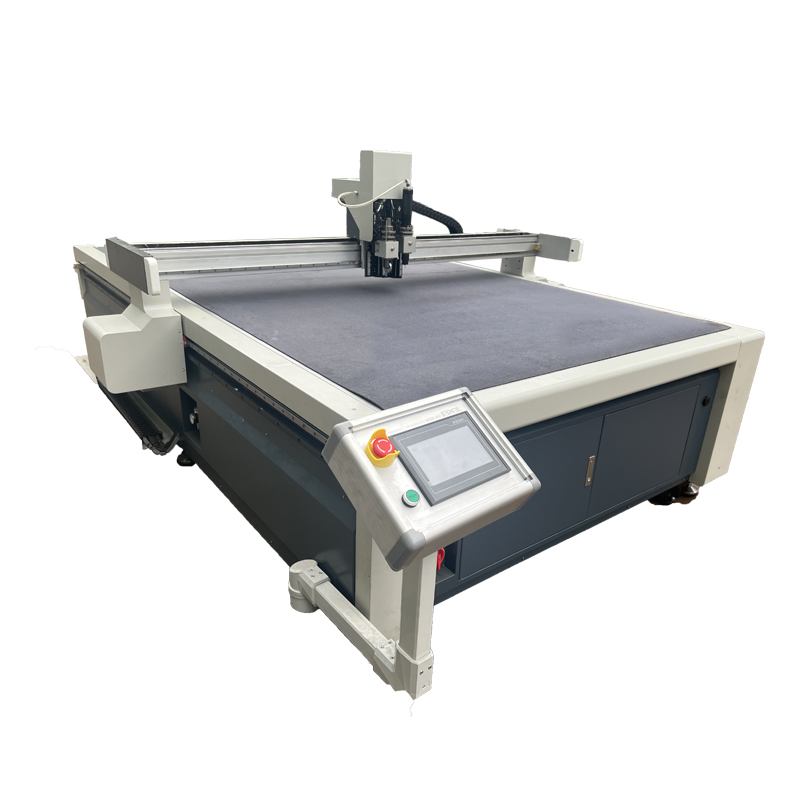
A distributor agreement should define more than a discount and a territory. Digital cutting machines involve application testing, configuration, installation, software, spare parts, training, and long-term customer support. Unclear responsibility in any of these areas can turn a promising partnership into channel conflict or unplanned cost.
Use these 12 questions as a commercial due-diligence checklist before representing a digital cutting machine brand.
1. Which customer segments fit the product line?
Define the first applications, materials, buyer roles, typical machine configuration, and realistic price range for your market. A broad list of “cuttable materials” is not a go-to-market plan.
Ask for evidence by application: sample packages, configuration notes, videos, reference installations that may legally be shared, and documented limitations.
2. What territory is actually protected?
Write down countries, regions, industries, customer groups, online channels, and excluded accounts. Clarify whether the relationship is exclusive, non-exclusive, project-based, or performance-dependent.
Also define what happens when a customer operates in one territory but buys or installs in another.
3. How are channel conflicts handled?
Ask how the manufacturer manages:
- – Existing customers
- – Website inquiries
- – Trade-show leads
- – Global key accounts
- – Other distributors
- – Direct sales
- – Repeat orders and upgrades
A good rule should explain ownership, communication, documentation, and escalation before a conflict occurs.
4. What pricing authority does the distributor have?
Separate distributor purchase price, recommended resale price, project discount, freight, tax, installation, options, software, and service. Confirm quotation validity and currency risk.
Do not advertise a price from a marketplace listing unless the exact configuration, date, exclusions, and approval are current.
5. Who owns and follows each lead?
Define when a lead becomes registered, how long protection lasts, what activity must be documented, and when an inactive lead returns to the pool. Clarify access to customer data and applicable privacy rules.
The agreement should never encourage exporting or reusing personal contact data without authority.
6. Is a demo machine or inventory required?
Ask whether the distributor must buy a demo unit, stock machines, hold consumables, or maintain service tools. For each requirement, document:
- – Required model and configuration
- – Payment and delivery terms
- – Demonstration use and resale conditions
- – Upgrade and depreciation policy
- – Minimum parts and consumables
Compare this investment with the realistic local sales pipeline.
7. Who pays for market development?
Clarify responsibility for exhibitions, local advertising, sample shipping, translation, travel, training, showroom costs, and digital campaigns. Confirm approval rules for logos, product claims, customer cases, and generated images.
Marketing material should use current, verifiable specifications and should not expand a certification from one model to an entire product line.
8. What sales and application training is required?
Distributor salespeople need to qualify materials, thickness, size, process, files, production volume, and quality expectations before proposing a configuration.
Ask for a curriculum, training language, update process, assessment method, and access to application engineers. A certificate of attendance is less important than the ability to avoid a wrong machine recommendation.
9. Who installs and accepts the machine?
Define site preparation, power, air, extraction if applicable, network, unloading, assembly, calibration, operator training, acceptance samples, and sign-off.
Clarify whether the manufacturer, distributor, third party, or customer performs each task—and who pays for travel, labor, delays, and return visits.
10. How are warranty and after-sales duties divided?
Request a responsibility matrix for remote diagnosis, consumables, replacement parts, local labor, on-site visits, freight, customs, software, and customer-caused damage.
If the distributor is expected to provide first-line service, define training, diagnostic access, tools, parts, and manufacturer escalation.
11. What documentation and localization are available?
Review manuals, electrical documentation, maintenance schedules, parts catalogs, software instructions, safety labels, training videos, and sales materials.
Confirm which documents can be translated, who approves translations, and how revisions are distributed. Outdated documentation can create technical and legal risk.
12. How can either party review or end the relationship?
Define targets, review frequency, notice, unsold inventory, demo units, active leads, installed customers, warranty responsibility, trademarks, confidential information, and post-termination service.
Obtain qualified legal and tax advice for the relevant jurisdictions before signing. This article is an operational checklist, not legal advice.
Evidence to collect before signing
Create a shared due-diligence folder containing:
- – Product and configuration matrix
- – Sample-test records
- – Approved claims and certification scope
- – Price and discount policy
- – Lead and territory rules
- – Training and installation responsibility
- – Spare-parts and software policy
- – Warranty and escalation matrix
- – Marketing-approval workflow
- – Agreement version and review record
Frequently asked questions
Should I request exclusivity immediately?
Not automatically. Exclusivity should match investment, capability, targets, territory definition, manufacturer capacity, and conflict rules. A staged arrangement may be easier to evaluate.
Is a low distributor price the most important factor?
No. Configuration errors, freight, installation, support, software, spare parts, and unresolved channel conflict can outweigh the initial discount.
What should I ask JEKE before discussing a distributor agreement?
Ask for the current target applications, product/configuration scope, sample process, training and service responsibilities, territory model, lead rules, price policy, and draft agreement. Every item requires written confirmation for the intended market.
Related JEKE resources
Continue your evaluation with the JEKE manufacturer information, JEKE application and material overview, published JEKE Blog resources, discuss a distributor partnership with JEKE.