A single ply fabric cutting machine is usually the right choice when accuracy, fabric control and order flexibility matter more than cutting many layers at once. For sample rooms, made-to-order fashion, printed panels, delicate textiles and small-batch apparel production, cutting one layer at a time can reduce distortion and make digital pattern changes easier to manage.
The key question is not whether single-ply cutting is “better” than multi-layer cutting. The real question is whether your fabric, pattern mix and production volume need the flexibility of single-ply cutting or the bulk output of multi-layer cutting.
This guide explains when a single-ply cutter fits apparel production, how it compares with multi-layer systems, and what machine features buyers should check before asking JEKE for a recommendation.
What is a single ply fabric cutting machine?
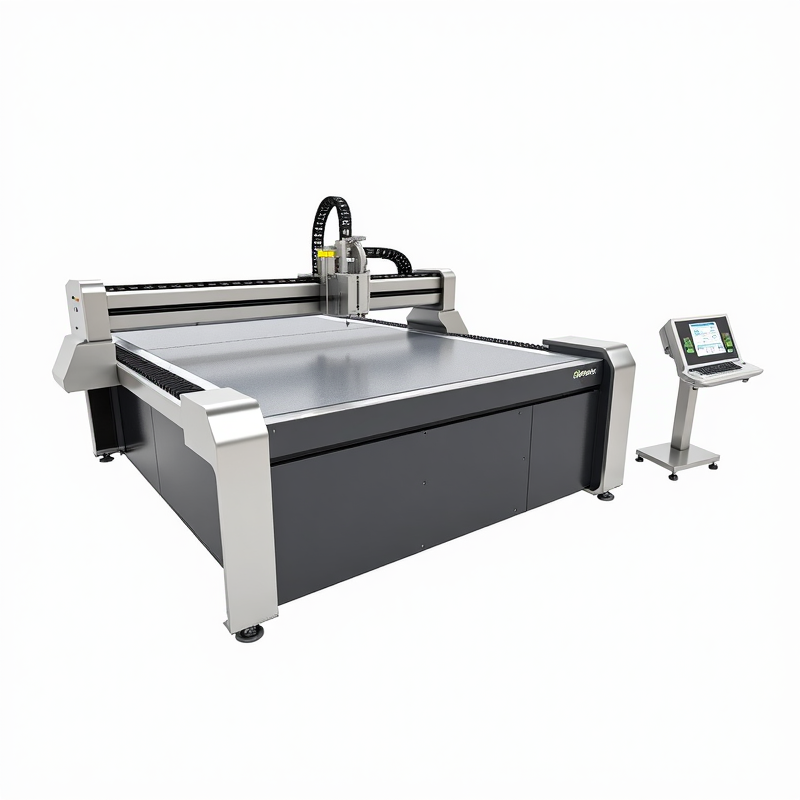
A single ply fabric cutting machine is an automatic fabric cutter that cuts one layer of fabric at a time from a digital cutting file. It is commonly used for garment samples, custom orders, print-on-demand apparel, technical textiles, delicate materials and production workflows where patterns change frequently.
Instead of stacking many layers and cutting them together, the machine focuses on controlled cutting of a single layer. This helps when the material is printed, stretchy, expensive, easy to shift or difficult to align in a stack.
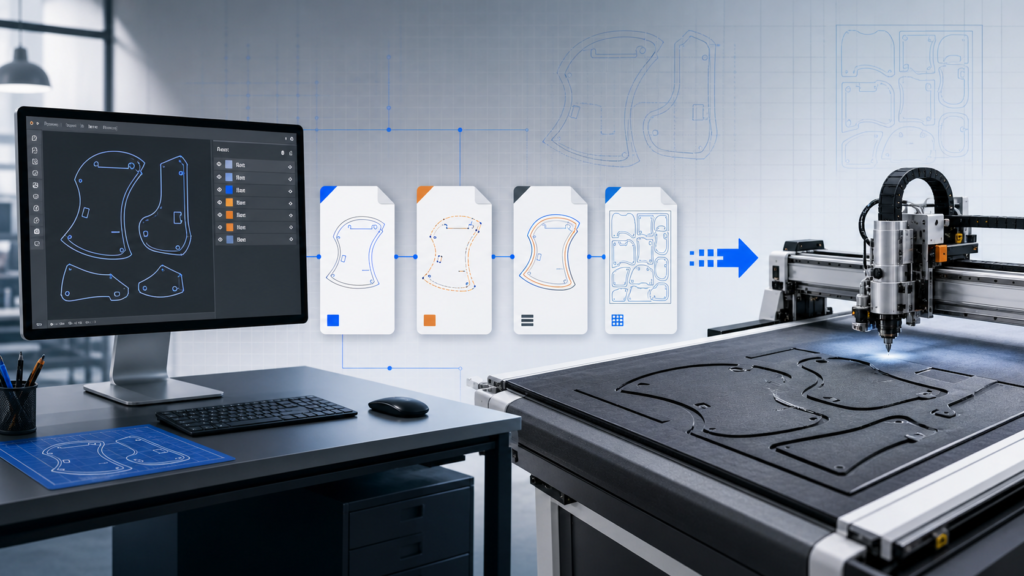
In a typical workflow, the operator imports the pattern file, lays the fabric on the table or conveyor, uses vacuum holding or another positioning method to stabilize the material, and lets the machine cut the pattern pieces according to the digital file. Depending on the configuration, the system may also support nesting, projection positioning or camera recognition for printed fabrics.
Single-ply vs multi-layer cutting: key differences
Single-ply and multi-layer cutting solve different production problems. A single-ply cutter is usually chosen for flexibility and accuracy across changing jobs. A multi-layer fabric cutting machine is usually chosen for repeated production where many identical pieces must be cut quickly.
| Factor | Single-ply cutting | Multi-layer cutting |
|---|---|---|
| Layer count | One layer at a time | Multiple layers in one cutting job |
| Best fit | Samples, custom orders, printed fabric, small batches, technical textiles | Bulk apparel production, repeated styles, stable pattern runs |
| Main advantage | Better control of fabric movement, print alignment and style changes | Higher output for repeated patterns |
| Common buyer | Sample room, on-demand fashion workshop, sportswear maker, technical textile supplier | Larger garment factory, uniform producer, home textile factory |
| Material risk | Helps reduce shifting, stretching and print mismatch | Stacked layers may move or distort if material is unstable |
| Workflow style | Digital, flexible, frequent file changes | Planned production, repeated markers, larger batches |
For example, a sportswear factory cutting sublimation printed panels may care more about contour accuracy than layer quantity. A sample room creating new garment styles every day may also prefer a single-ply workflow because it can switch patterns without waiting for a large marker or layered stack.
On the other hand, if a factory cuts the same woven fabric pieces in large volumes every day, a multi-layer system may be more suitable. The choice depends on material behavior, order size, pattern repeatability and the level of accuracy required.
When single-ply cutting is the better choice
Single-ply cutting is most useful when the production workflow changes often or the material does not behave well in a thick stack. Buyers should consider this type of machine in the following situations.
Sample rooms and product development
Sample rooms need speed and flexibility more than bulk cutting volume. Designers may change patterns frequently, test different sizes or cut only one garment set at a time. A single ply fabric cutting machine helps turn digital patterns into cut pieces without manual paper patterns or die tools.
Made-to-order and small-batch apparel
On-demand fashion, custom uniforms, local apparel production and small-batch brands often handle many styles in limited quantities. Cutting one layer at a time makes it easier to switch files, adjust nesting and reduce the risk of cutting too many pieces in the wrong size or style.
Printed fabric and sublimation panels
Printed fabric can be difficult to cut in layers because the graphic position matters. If logos, stripes, patterns or printed outlines must match the cutting path, single-ply cutting with camera or projection support can be a better fit than stacked cutting.
Stretch, delicate or expensive fabrics
Knitted fabric, lace, performance textiles and delicate apparel materials may stretch, shift or deform. A controlled single-ply workflow can reduce movement during cutting. For expensive material, it also reduces the financial risk of a cutting error across many stacked layers.
Technical textiles and mixed materials
Some workshops cut fabric, leather, felt, coated textiles or industrial flexible materials in the same production area. A flexible single-ply digital cutter can help handle changing material types, but the tool and machine configuration should be confirmed by real sample testing.
Machine features buyers should check
The machine name alone does not tell you whether a system will fit your workshop. Buyers should compare the complete workflow: material handling, file preparation, cutting control, feeding method and positioning options.
| Feature | Why it matters | What to ask before buying |
|---|---|---|
| Working area | Determines the largest pattern size the machine can cut | What is your largest garment panel or textile part? |
| Conveyor table | Helps with roll fabric and continuous cutting | Do you cut from rolls or sheets? |
| Vacuum adsorption | Holds fabric flat during cutting | Is the material stretchy, lightweight or easy to move? |
| Tool head | Affects edge quality and material compatibility | Which blade or tool is recommended for your fabric? |
| CAD file import | Connects design files to cutting production | Which file formats does your pattern team use? |
| Nesting software | Helps reduce fabric waste | Do you need automatic nesting for frequent small orders? |
| Camera or projection option | Supports printed fabric and alignment work | Do you cut printed panels, stripes, logos or contours? |
| Parameter storage | Saves settings for repeated jobs | Will operators cut many material types every week? |
For many apparel buyers, the feeding method and material holding system are just as important as cutting speed. A machine that looks fast in a short video may still create problems if fabric shifts, stretches or needs too much manual handling between jobs.
Before confirming a machine, send the supplier real material samples, pattern files and production goals. This gives a much clearer answer than comparing only photos or general machine categories.
Common mistakes when choosing a fabric cutter
Many buyers compare fabric cutters too quickly. The result is either an underconfigured machine that cannot handle real production or an overconfigured system that costs more than the workflow requires.
- Choosing only by layer count: More layers do not always mean a better solution. If the fabric is printed, stretchy or frequently changed, single-ply cutting may be more practical than stacking.
- Buying a table that is too small: A small table can limit pattern layout and force operators to split jobs. Check your largest panel size and common roll width before selecting the working area.
- Ignoring fabric movement: Stretch fabric, lace and lightweight textiles can move during cutting. Vacuum holding, feeding stability and cutting parameters should be matched to the material.
- Comparing handheld cutters with CNC fabric cutters: Handheld electric cutters and automatic CNC fabric cutting systems are not the same category. A CNC cutter is usually chosen for digital file control, repeatability, nesting and workflow consistency.
- Forgetting printed fabric alignment: If the cutting path must follow printed graphics, standard cutting may not be enough. Ask whether camera recognition or projection positioning is needed.
- Looking only at machine price: Price matters, but the wrong configuration can waste more money through material loss, slow setup or poor cutting quality. A sample test is often the safest step before purchase.
How JEKE helps match fabric, layer count and production volume
JEKE’s fabric cutting solutions are designed for buyers who need a machine matched to real material and production workflow. For single-ply and low-ply applications, the right recommendation usually depends on fabric type, maximum pattern size, roll width, layer count, software workflow and whether camera or projection positioning is required.
Useful JEKE starting points include:
- Automatic fabric cutter options for garment and textile cutting
- Application materials for fabric, leather, sponge, EVA, rubber, PVC, carpet and other flexible materials
- JEKE’s broader digital cutting machine category for mixed flexible-material workflows
- Contact JEKE for fabric sample cutting advice and configuration support
If you are comparing a single ply fabric cutting machine with a low-ply or multi-layer system, prepare your material type, thickness, roll width, pattern file, layer count and daily output target. JEKE can then help check whether single-ply cutting is the right workflow or whether another fabric cutting configuration would fit better.
Key takeaways
A single ply fabric cutting machine fits apparel production when buyers need flexible digital cutting, frequent pattern changes, accurate printed fabric alignment or better control of delicate and stretchy materials.
It is not a replacement for every multi-layer cutting workflow. For large repeated production, multi-layer cutting may still be the better choice. But for sample rooms, custom apparel, on-demand production, printed panels and technical textiles, single-ply cutting can give buyers the control they need.
Before buying, compare the full workflow rather than only the machine name. Check working area, feeding system, vacuum holding, tool options, software, nesting and positioning needs. If the material is difficult or expensive, ask for a real cutting test before confirming the final configuration.