A carton box sample making machine helps packaging teams cut, crease and prototype corrugated boxes without making a physical die for every new design. For carton factories, printing houses and packaging design teams, this can shorten the path from structural drawing to real sample, especially when customers need quick revisions, small batches or custom packaging before mass production.
The key question is not only whether the machine can cut cardboard. Buyers should check whether it can support the full carton sampling workflow: cutting outer shapes, creasing fold lines, half-cutting, marking, processing different board materials and importing CAD files smoothly.
This guide explains how to evaluate a carton box sample making machine and when a digital cutting workflow fits better than traditional die making.
What is a carton box sample making machine?
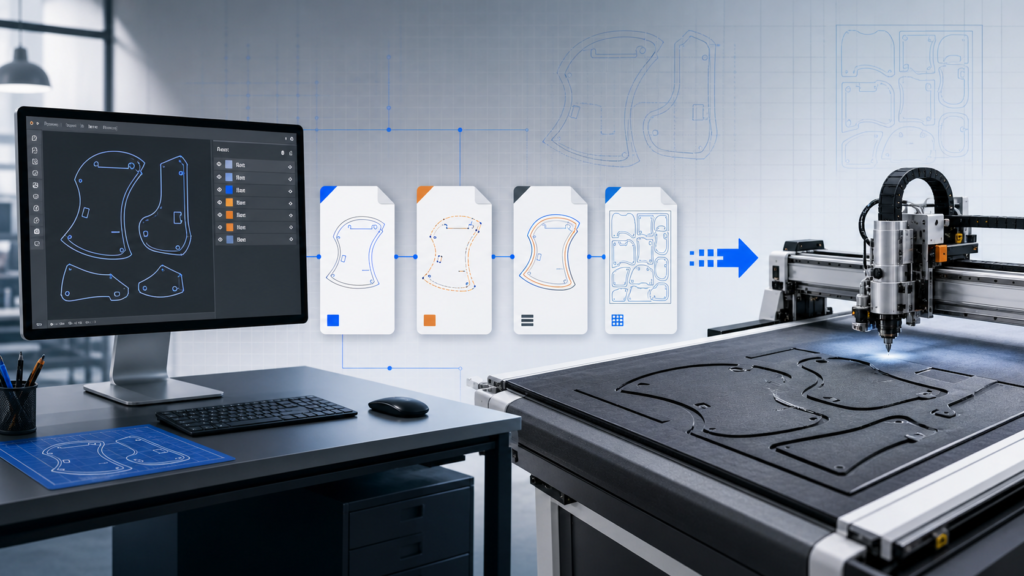
A carton box sample making machine is a digital cutting system used to create carton and corrugated packaging samples directly from design files. Instead of producing a steel rule die first, the operator imports the box structure file, chooses the cutting and creasing tools, places the board on the table and lets the machine make the sample.
For packaging teams, this is useful because carton structures often change during product development. A customer may ask for a different flap style, display window, locking tab, handle opening or inner support. With digital sample making, the design can be adjusted in the file and tested again quickly.
Typical uses include:
- Corrugated box prototypes
- Folding carton samples
- Display packaging mockups
- Short-run customized packaging
- Cardboard inserts and dividers
- Packaging structure tests before die investment
- Sales samples for customer approval
The machine is especially valuable when the buyer wants proofing speed and flexibility before committing to a production die.
Why packaging teams move from dies to digital sample making
Traditional die making is still important for high-volume carton production. But when a design is new, uncertain or low-volume, making a die too early can slow the project down and add cost.
Digital sample making solves several practical problems:
| Packaging challenge | Traditional die workflow | Digital sample making workflow |
|---|---|---|
| New structural design | Die must be made before a real sample | Cut the sample directly from the digital file |
| Customer revision | Die may need adjustment or remaking | Revise the file and cut again |
| Small-batch custom order | Die cost may be hard to justify | Cut short runs without a dedicated die |
| Sales presentation | Sample lead time can delay approval | Produce mockups faster for review |
| Multiple box versions | Separate dies may be required | Store and switch between digital files |
| Prototype testing | Changes are slower | Test, adjust and repeat quickly |
This is why many packaging teams use a carton sample maker as a development tool, even if they still use die cutting for large production runs later.
What operations should the machine support?
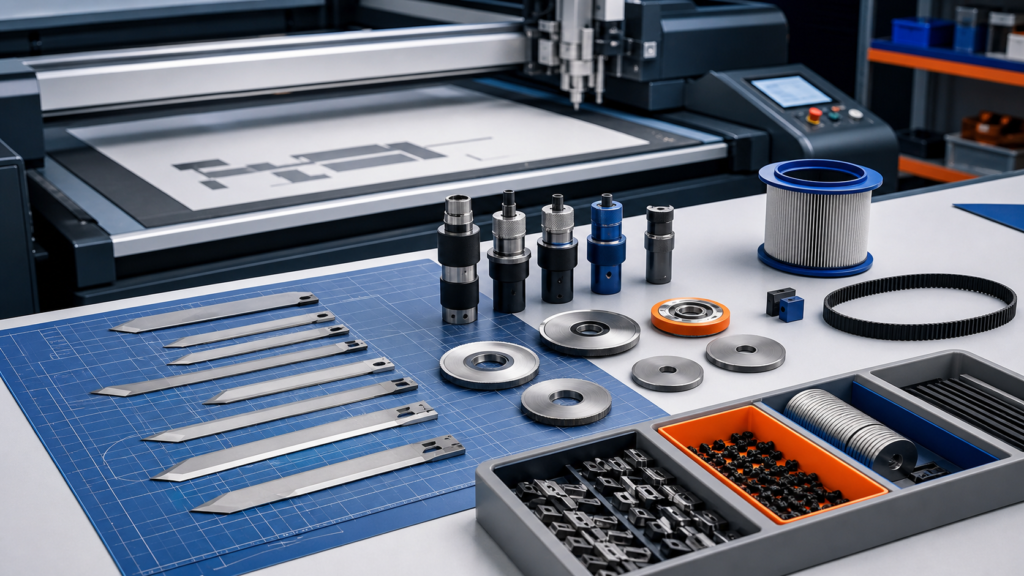
A useful carton sample maker should do more than straight cutting. Packaging structures need fold lines, partial cuts, slots, notches and sometimes marking. The tool combination matters because different operations affect how the final box folds, locks and presents the product.
| Operation | What it does | Why it matters for carton samples |
|---|---|---|
| Through cutting | Cuts the outer box shape or window openings | Creates the final outline and internal cutouts |
| Creasing | Presses fold lines without cutting through | Helps the carton fold cleanly and accurately |
| Half-cutting | Cuts only part of the material thickness | Useful for labels, layered boards or special packaging details |
| Dotted line cutting | Creates perforation-style lines | Helps tear lines, fold aids or sample testing |
| V-grooving | Removes a V-shaped channel from thicker board | Helps thick board fold with cleaner angles |
| Marking | Draws lines, labels or positioning marks | Helps sample review and assembly instructions |
| Contour cutting | Cuts printed or shaped graphics if paired with positioning workflow | Useful for display packaging or printed samples |
For many carton projects, cutting and creasing are the minimum requirements. If the factory also works with rigid board, honeycomb board, foam board or display packaging, extra tool options may become important.
Related search terms buyers often use include carton sample maker, cardboard box sample cutter, digital die cutter for packaging and corrugated cardboard sample cutting machine. These terms point to the same core need: making packaging samples faster without relying on a new die for every design.
Materials a carton sample maker should handle
Carton sample making machines are often used across more than one packaging material. A box plant may cut corrugated board most of the time, but a design department may also test grey board, cardboard, foam board or plastic sheet for displays and inserts.
| Material | Common use | Buyer note |
|---|---|---|
| Corrugated board | Shipping boxes, mailers, protective packaging | Check flute type, thickness and crease quality |
| Cardboard | Folding cartons, retail packaging | Needs clean cutting and accurate folding |
| Grey board | Rigid box prototypes, premium packaging | May require stronger cutting or grooving options |
| Honeycomb board | Heavy-duty packaging, protective panels | Thickness and tool force need testing |
| KT board / foam board | Displays, signs, mockups | Edge quality and tool choice matter |
| PVC sheet | Templates, packaging displays, special parts | Confirm cutting method and thickness limit |
| Thin foam sheet | Inserts, pads, protective layers | Material hold-down and blade choice are important |
Before buying, send real materials for sample cutting if possible. The same machine description may sound suitable, but actual performance depends on board thickness, stiffness, surface coating and structure.
How to choose the right working area and tool combination
A carton box sample making machine should match your actual box size and workflow. A machine that is too small forces extra steps. A machine that is too large may increase cost without improving daily production.
Use this checklist before requesting a quote:
1. Maximum sheet size
Measure the largest board size you need to process, not only the final folded box size. Carton structures often take more flat space than buyers expect.
2. Board thickness and type
List corrugated flute type, cardboard thickness, grey board thickness or other material details. Cutting and creasing requirements change with material structure.
3. Main operation mix
Clarify whether your work is mostly cutting, cutting plus creasing, rigid board grooving, printed contour cutting or mixed packaging prototyping.
4. Sample volume
A design office making a few samples per day has a different need from a packaging factory doing daily short-run jobs. Output volume affects automation, table size and workflow.
5. CAD and file workflow
Confirm what file formats your team uses, such as DXF, AI, PDF or PLT. The smoother the file import process, the easier it is to move from structure design to sample cutting.
6. Vacuum adsorption and material holding
Board must stay flat and stable during cutting and creasing. Vacuum adsorption is especially useful when cutting larger sheets or detailed packaging structures.
7. Tool change and operator training
If one machine uses cutting, creasing, marking and grooving tools, the operator needs to understand when to use each tool and how to set pressure or depth.
8. Future material expansion
If you plan to expand from corrugated board into foam board, PVC, honeycomb board or insert materials, ask whether the machine can support those materials with optional tools.
When JEKE’s cardboard box sampling machine fits your workflow
JEKE provides digital cutting solutions for flexible and packaging materials, including corrugated paper, PVC, foam board, sponge, EVA, rubber, leather, carpet and garment fabric. For packaging teams, this material range is useful because sample rooms often handle more than standard corrugated board.
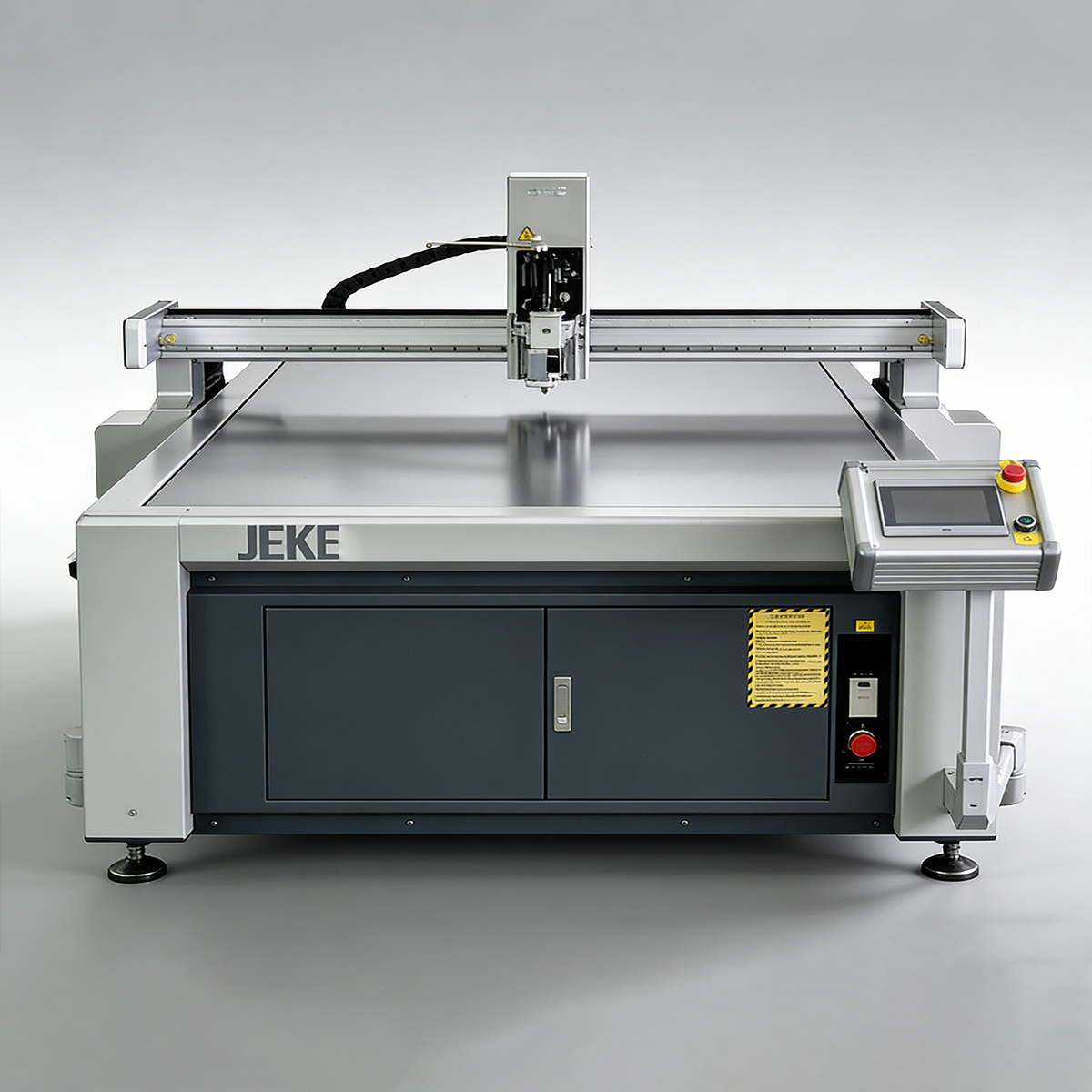
The JEKE cardboard box sampling machine is a strong fit when your workflow includes:
- Corrugated carton sample development
- Folding carton proofing
- Short-run custom packaging
- Packaging structure revisions
- Cutting and creasing in one workflow
- Material testing before production planning
- Packaging samples for customer approval
To get a more accurate recommendation, prepare the following details before contacting JEKE:
- Board material and thickness
- Largest sheet size
- Sample drawing or CAD file
- Main operations required: cutting, creasing, half-cutting, marking or grooving
- Expected sample volume or short-run production volume
- Photos of finished packaging styles you want to make
- Country and workshop voltage requirements if available
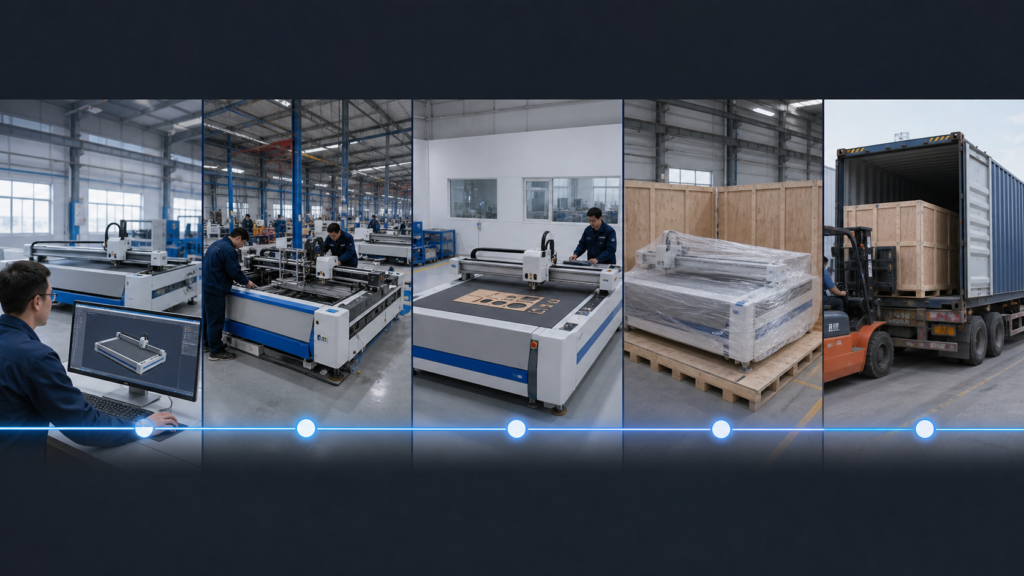
With this information, JEKE can help match the working area, cutting tools and workflow to your real packaging application. If you are comparing digital sample making with traditional die cutting, start by testing a real carton design rather than relying only on brochure specifications.
Key takeaways
A carton box sample making machine is most valuable when packaging designs change often, samples are needed quickly or small-batch custom packaging makes die cost hard to justify. The right machine should support not only cutting, but also creasing, half-cutting, marking and the board materials your factory actually uses.
For packaging companies, the goal is not to replace every production die. The goal is to make design approval, prototype testing and short-run production faster and more flexible.
If your team needs to create carton samples from CAD files, test corrugated board structures or prepare custom packaging prototypes, JEKE can help evaluate the material and recommend a digital cutting setup for your workflow. You can also review JEKE’s application materials or contact JEKE for carton sample cutting.