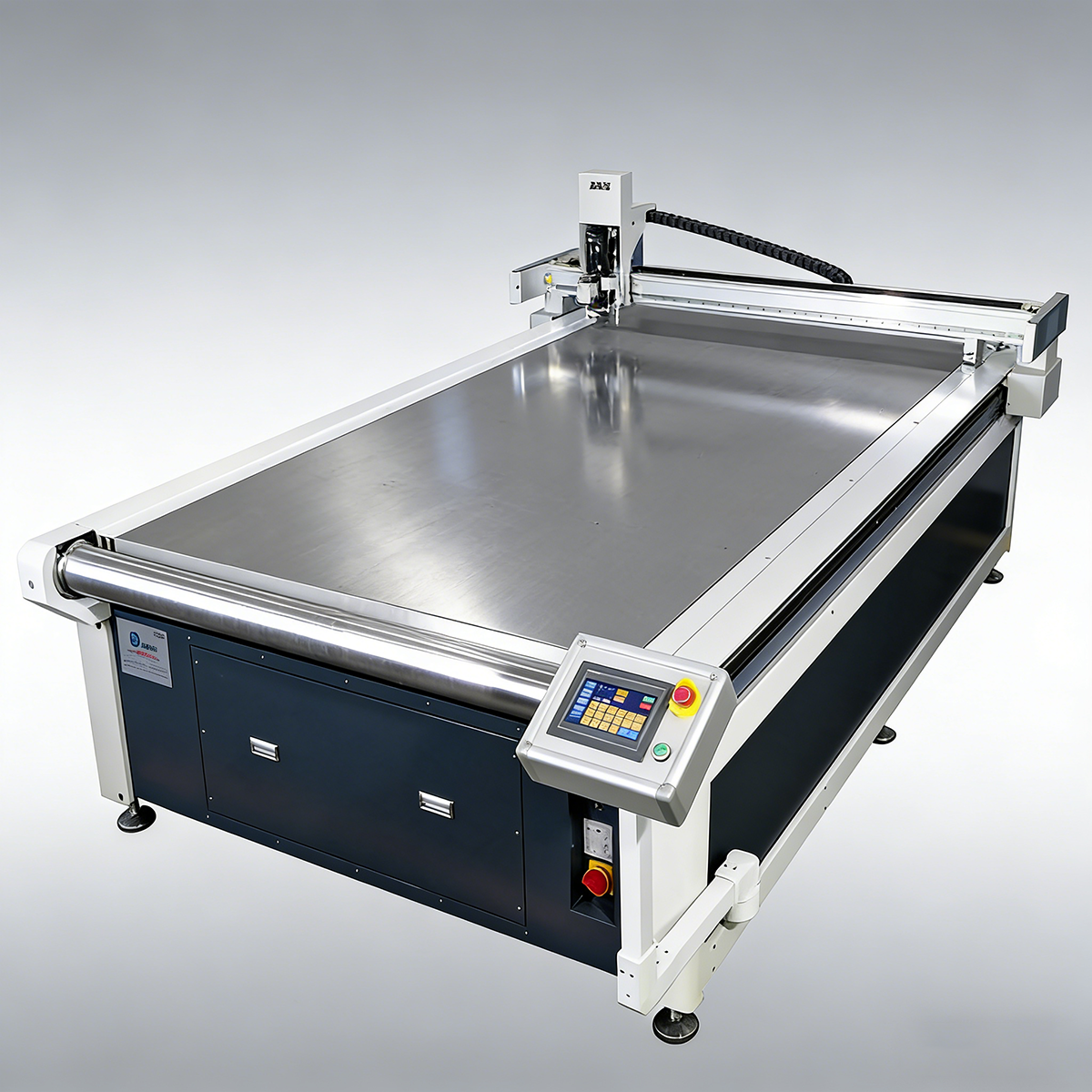
A CNC foam cutting machine for packaging inserts helps manufacturers cut EVA, EPE, XPE, PE, PU foam and sponge into repeatable protective shapes without building a physical die for every design. For packaging teams that make custom inserts, tool case liners, product trays or short-run protective packaging, the right machine is not just a cutter. It is a workflow choice that affects sample speed, edge quality, material waste and how quickly a new product can move from CAD file to finished insert.
The most important decision is not simply “which CNC foam cutter is best?” It is “which cutting tool, table size and software workflow fit my foam material, thickness and order pattern?” A soft sponge insert, a dense EVA insert and a thick XPE protective tray may all require different tool settings or even different tool heads.
This guide explains how to choose a CNC foam cutting machine for packaging inserts and what information to prepare before asking JEKE for a sample test or machine quote.
What a CNC foam cutting machine does for packaging inserts
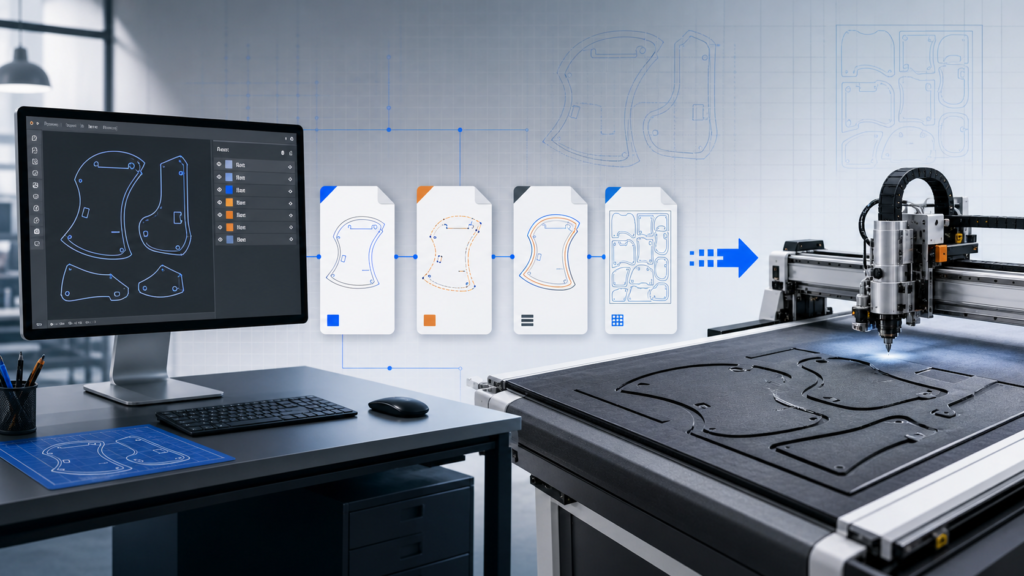
A CNC foam cutting machine uses a digital cutting path to cut foam sheets into custom shapes. Instead of making a steel rule die, the operator imports a drawing file, sets the cutting tool and material parameters, then lets the machine cut the insert shape directly from foam sheet material.
For packaging inserts, this matters because many projects change frequently. A manufacturer may need one insert for a medical device, another for electronic components, another for tools, and another for a retail sample kit. Digital cutting makes those changes easier because the cutting file can be adjusted without remaking a die.
Common packaging insert jobs include:
- Protective foam trays for instruments, tools and electronic products
- EVA or XPE inserts for carrying cases
- Layered foam packaging for fragile parts
- Custom cavities for irregular product shapes
- Small-batch packaging samples before mass production
- Replacement inserts for existing packaging designs
For buyers, the goal is not only clean cutting. The machine should help the factory move faster from design to sample, reduce manual trimming, and keep repeat orders consistent.
Foam materials used in protective packaging
Packaging foam is not one single material. Different foams have different density, resilience, cell structure, edge behavior and thickness limits. Before choosing a machine, buyers should identify the foam family and send real samples for testing when possible.
| Foam material | Common packaging use | Cutting consideration | Typical machine question |
|---|---|---|---|
| EVA foam | Tool cases, gift boxes, premium inserts, industrial trays | Dense, clean edge required, often layered | What blade and thickness can the machine handle cleanly? |
| EPE foam | Lightweight protective packaging, electronics, cushioning | Softer and more compressible | How does the vacuum table hold the sheet during cutting? |
| XPE foam | Protective packaging, automotive, sports and insulation products | Closed-cell, stable, often used in thicker sheets | Which tool gives the best edge at the required thickness? |
| PE foam | Shock-absorbing inserts and transport packaging | Density varies widely | Can the tool cut without pulling or tearing the edge? |
| PU foam | Cushioning, case liners, fragile product packaging | Softer, may deform during cutting | Is extra hold-down or lower cutting force needed? |
| Sponge | Protective pads, soft supports, cushioning layers | Compressible and easy to distort | Can the material stay flat and stable on the table? |
| Foam board | Signage, displays, packaging prototypes | More rigid, sometimes needs different tooling | Is knife cutting or milling more suitable? |
Foam performance also matters for packaging design. For example, ASTM D3575 covers test methods for flexible closed-cell olefin foams, including properties such as density and compression-related behavior. Packaging teams that work with protective foam often care about these material properties because they affect support, cushioning and durability.
For shipping validation, some companies also test finished package designs with procedures such as ISTA 3A, which is used for individual packaged products shipped through parcel delivery systems. A cutting machine does not replace packaging validation, but a repeatable digital cutting workflow can make it easier to revise insert geometry after testing.
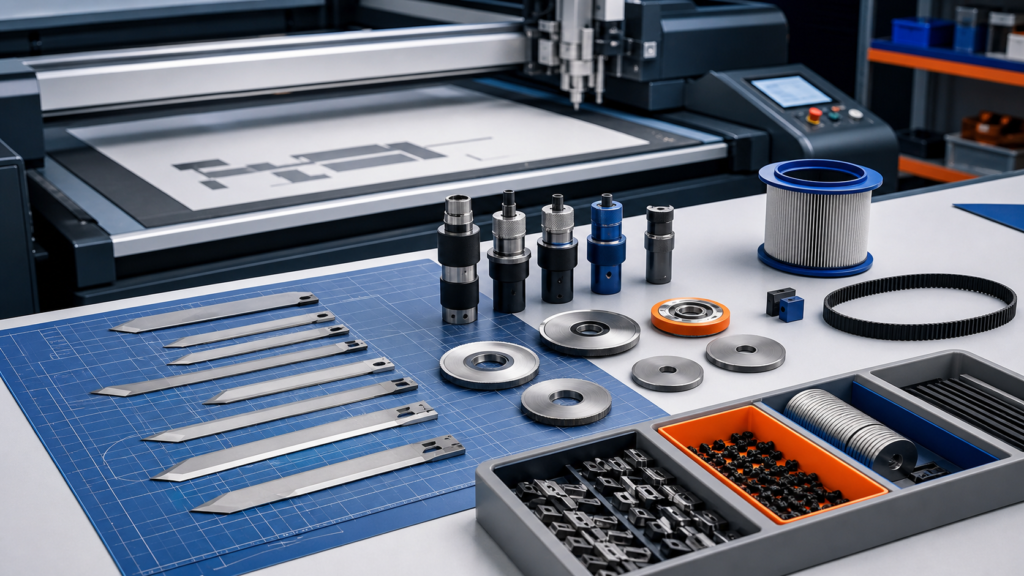
Which cutting tool fits each foam type?
The best tool depends on foam type, thickness, desired edge quality and whether the insert needs straight cuts, curves, inner cavities or layered shapes. A good CNC foam cutting machine for packaging inserts should allow tool matching instead of forcing every material through the same blade.
| Cutting tool | Best fit | Strength | Watch out for |
|---|---|---|---|
| Oscillating knife | EVA, XPE, PE foam, sponge, many flexible packaging materials | Good for flexible and semi-rigid foams; handles curves and cavities well | Tool selection and cutting speed must match density and thickness |
| Pneumatic oscillating knife | Thicker or denser foam materials | Stronger cutting force for difficult materials | May need careful testing for very soft foam |
| Drag knife | Thin foam sheets, simple shapes, light materials | Simple and efficient for thinner sheets | Not ideal for thick or high-resistance foam |
| Creasing or marking tool | Packaging samples, fold lines, layout marking | Useful when foam inserts are part of a larger packaging prototype workflow | Not a cutting replacement |
| Milling tool | Rigid foam board, some hard board materials | Can machine harder materials or special edge profiles | Creates dust and may need extraction or cleaning |
| Hot wire cutter | EPS and some rigid foam shaping | Smooth cuts for certain foam blocks | Less suitable for many flexible packaging inserts and detailed cavities |
For most flexible packaging insert jobs, an oscillating knife or pneumatic oscillating knife is the starting point. But the final answer should come from a material test, not from a generic equipment description.
When sending samples to JEKE, include the real foam sheet, the intended cutting file and the required edge quality. A 10 mm EVA insert and a 50 mm soft sponge insert are very different jobs even if both are called “foam.”
When packaging factories should use digital cutting instead of molds
Digital cutting is especially useful when the packaging workflow changes often. Traditional die cutting can still be efficient for very high-volume, stable designs, but many packaging insert projects need more flexibility.
- You make many custom insert designs. If every customer has a different product shape, digital files are easier to update than physical dies.
- You need fast samples before mass production. A packaging designer can test cavity size, product fit and layer structure before committing to tooling.
- Your order volume is small or mixed. For short runs, custom kits and prototype packaging, die cost can slow down the quote and production process.
- Designs change after testing. If drop testing or customer feedback requires a shape adjustment, the CAD file can be revised and cut again.
- You want to reduce manual trimming. Hand cutting is slow and inconsistent when insert cavities have curves, corners or repeated small details.
- You need repeatable production from stored files. Once the file and cutting parameters are set, repeat orders are easier to reproduce with consistent geometry.
This is why many packaging teams treat a flatbed digital cutter as a bridge between design, sample making and short-run production.
Machine configuration checklist for foam inserts
Before buying a CNC foam cutter, prepare a simple technical checklist. It helps the supplier recommend the right machine and prevents overbuying a system that is too large or underbuying one that cannot handle your material.
1. Foam type and density
List the exact foam material: EVA, EPE, XPE, PE, PU, sponge, foam board or another material. If you know the density, include it. If not, send a physical sample.
2. Thickness range
Do not only mention the average thickness. Send the minimum and maximum thickness you expect to cut. A machine that cuts 5 mm foam well may not be the right configuration for 40 mm foam inserts.
3. Largest insert size
Measure your largest required sheet or finished insert. This determines the working area. If you process full sheets, the table should match your sheet size and loading method.
4. Shape complexity
Simple rectangular pads are different from complex tool case inserts with many inner cavities. More complex shapes need stable material holding, accurate path control and suitable blade settings.
5. Required edge quality
For premium kits and display packaging, the visual edge matters. For industrial transport packaging, fit and cushioning may matter more. Send reference photos if edge appearance is important.
6. Production volume
Tell the supplier whether you need sample making, daily short-run jobs or continuous batch production. This affects table type, feeding method, automation level and software workflow.
7. File format and design workflow
Most packaging teams work from CAD or vector files. Confirm whether your workflow uses DXF, AI, PDF, PLT or another format. The cutting workflow should support easy file import and path adjustment.
8. Vacuum table and material hold-down
Foam can shift, compress or lift during cutting. A vacuum table helps hold the sheet in place, but very soft or porous foam may still require testing.
9. Tool head options
Ask which tool heads are recommended for your exact foam. A flexible machine may support oscillating knife, pneumatic knife, drag knife, creasing, marking and milling options.
10. Operator training and after-sales support
A good foam insert workflow depends on both the machine and the operator. Training should cover blade selection, speed settings, material fixation, file preparation and routine maintenance.
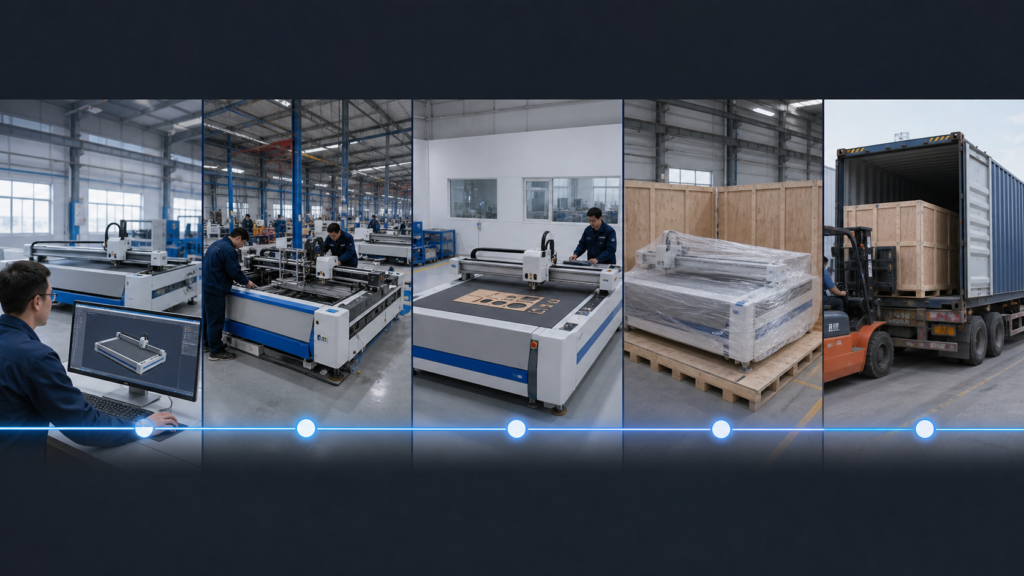
How JEKE helps test foam insert cutting before purchase
JEKE’s flexible material CNC cutting solutions cover materials such as sponge, EVA, rubber, PVC, foam board, leather, carpet, garment fabric and corrugated paper. For foam packaging insert buyers, that material range matters because many factories do not cut only one material. A packaging supplier may process EVA inserts one day, corrugated samples the next day and foam board prototypes later in the week.
Before choosing a system, JEKE can help evaluate the material, tool choice and machine configuration. The most useful sample package includes:
- Foam material type and thickness
- Product or insert drawing file
- Required finished size
- Photo of the product that needs protection
- Expected daily or monthly output
- Edge quality requirement
- Whether the job is for samples, short runs or batch production
With this information, JEKE can recommend whether your project fits an oscillating knife, pneumatic knife, drag knife or another tool option. If you are unsure, start with a sample cutting request instead of guessing the machine configuration.
Key takeaways
A CNC foam cutting machine for packaging inserts should be chosen by material, thickness, insert design and production workflow. EVA, EPE, XPE, PE, PU foam and sponge do not all behave the same during cutting, so buyers should avoid one-size-fits-all advice.
For most packaging factories, the strongest value comes from three things: faster sample making, lower dependence on physical dies and easier design changes. The right digital cutting system helps turn packaging insert designs into repeatable production files while keeping the process flexible for new customer orders.
If you are planning a foam insert project, send JEKE your foam sample, drawing file and target production details. The team can help test the material and recommend a digital cutting machine based on your real packaging workflow. You can also contact JEKE for sample cutting before confirming the final configuration.