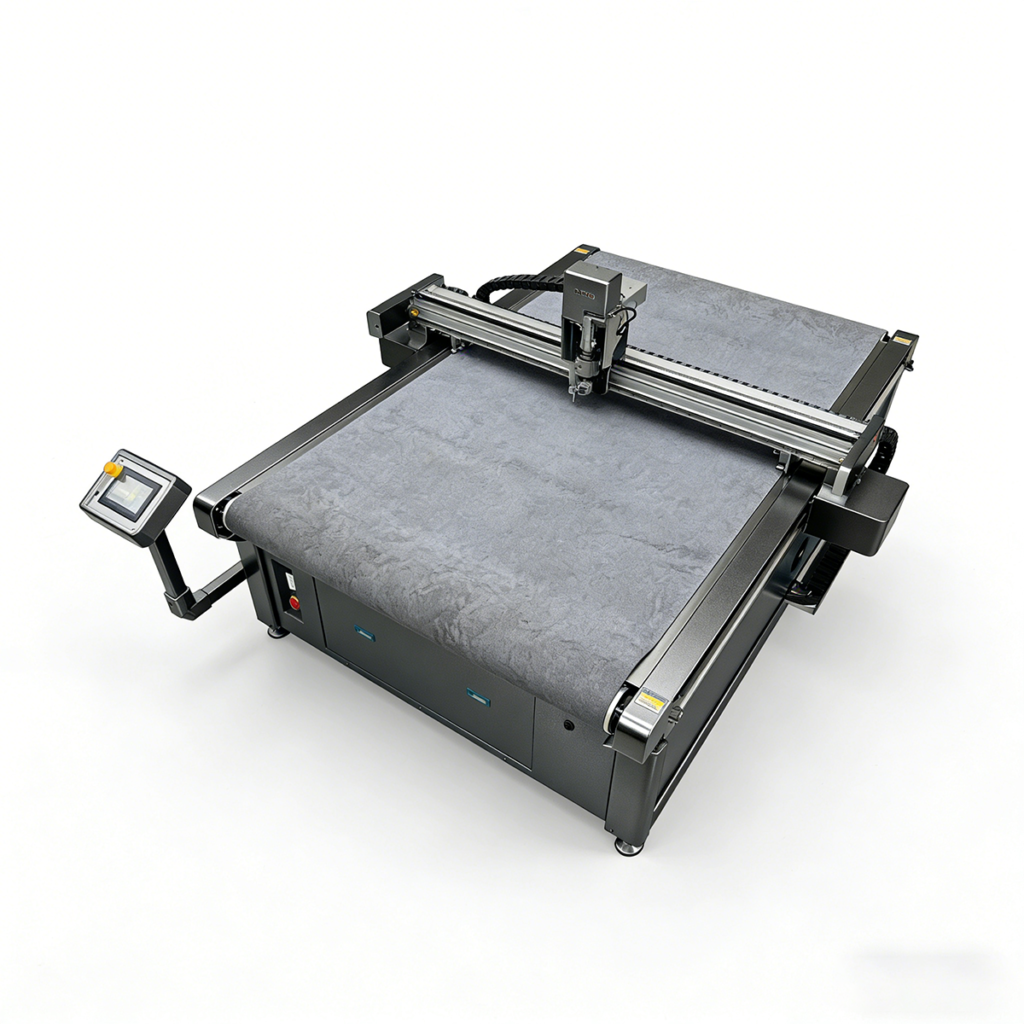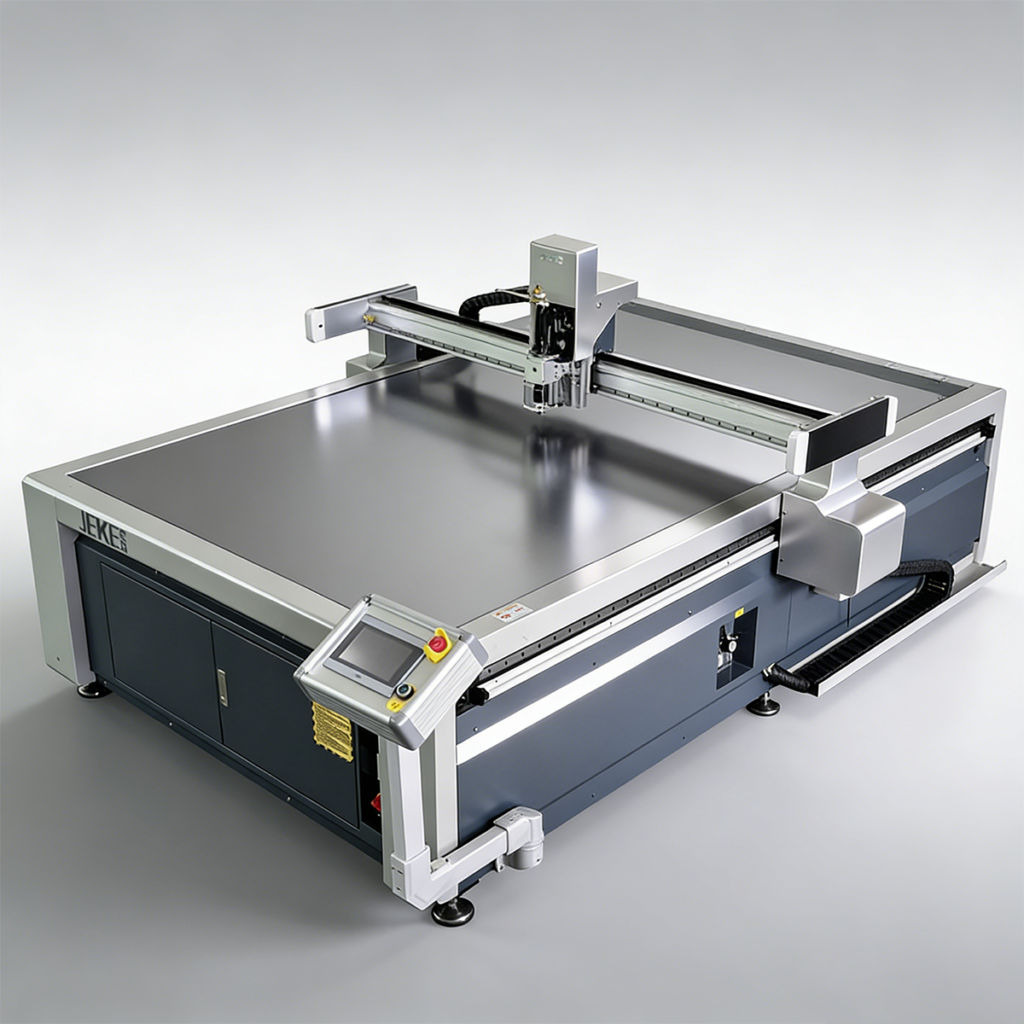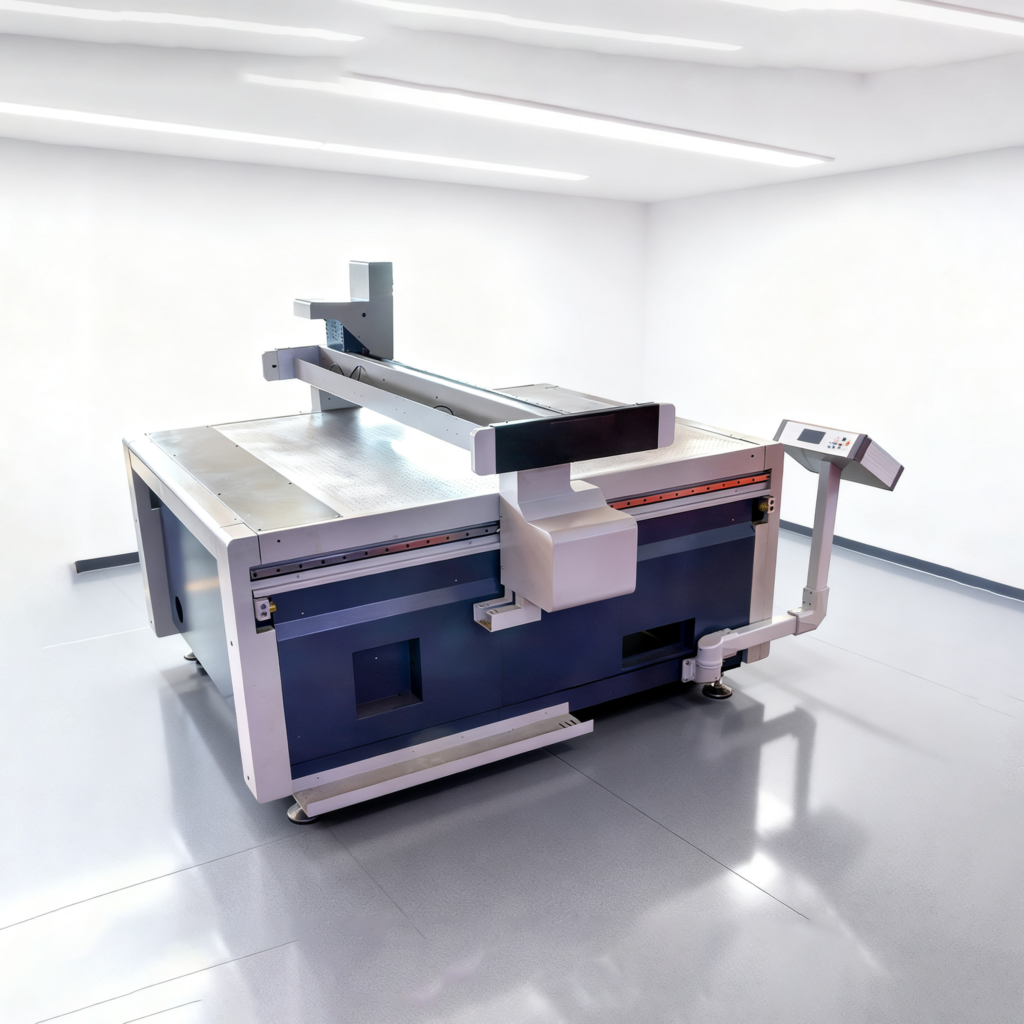
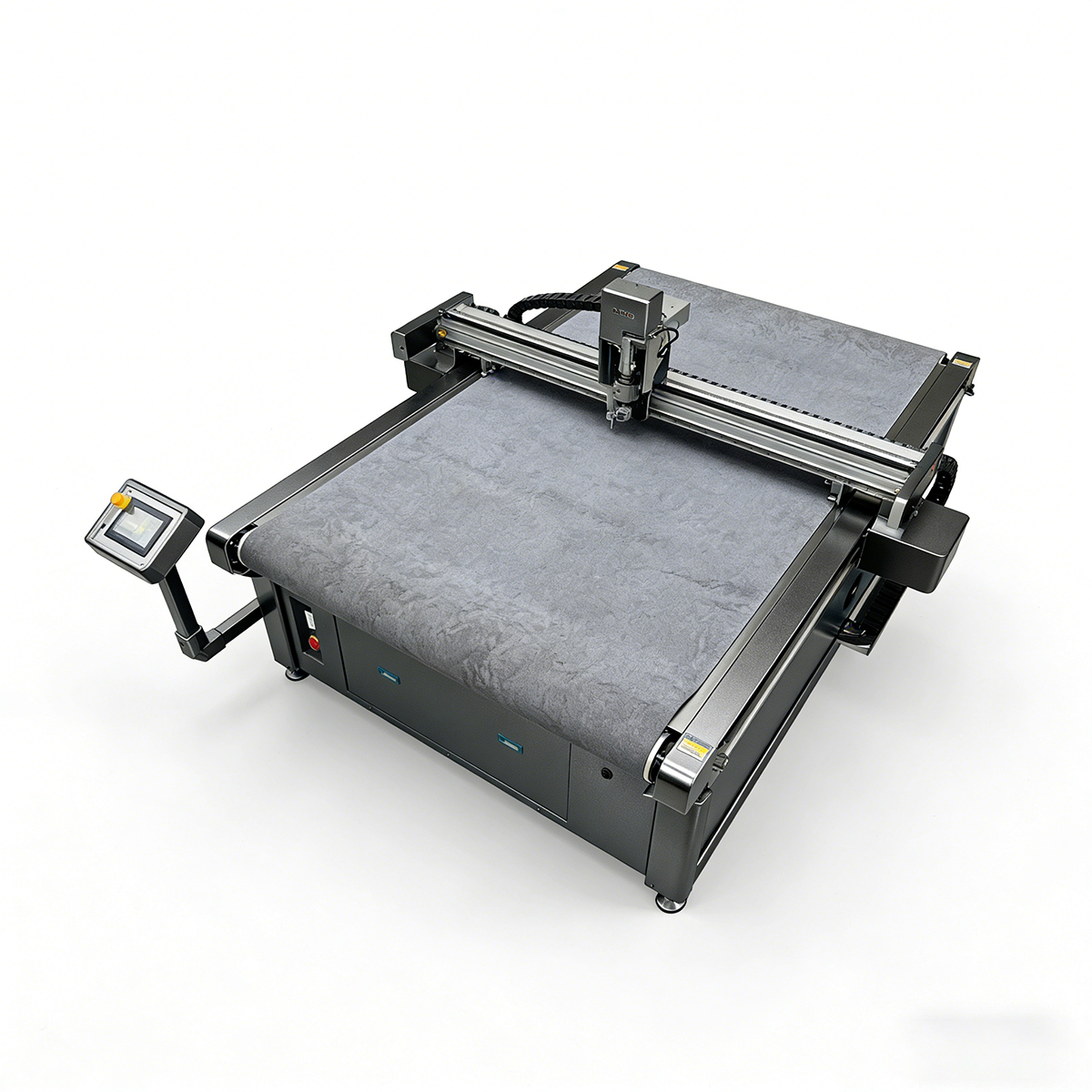
如果您加工织物、皮革、泡沫、瓦楞纸板、乙烯基或展示材料,最重要的设备决策之一是选择往复式刀切割机还是激光切割机。
这两种技术都广泛应用于切割领域,但并非对所有材料都同样适用。在广告、包装、服装和汽车内饰等柔性材料行业,二者的区别不仅在于切割速度,还体现在边缘质量、材料损伤、烟雾产生、运营成本、工艺安全性和生产灵活性等方面。
对于许多柔性材料而言,往复式切割机是更佳选择,因为它采用机械切割而非热切割。这意味着对敏感材料的热影响更小,并且在各种混合生产作业中具有更高的通用性。
在本指南中,我们将往复式刀切割机和激光切割机进行对比,解释每种技术的最佳应用场景,并展示如何根据您的材料堆垛和工作流程选择合适的系统。
东莞市淘宝自动化设备有限公司的 JEKE 与标牌、包装、纺织品和汽车内饰等行业的客户合作,因此本次比较是从柔性材料生产的角度而非通用切割理论的角度进行的。
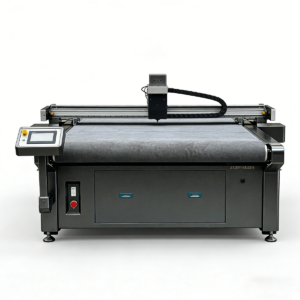
简答:何时刀切胜出,何时激光切割胜出
如果您的主要业务涉及柔性材料和热敏材料,那么往复式切割机通常是更安全、更实用的选择。
当你需要切割时,往复式切割刀通常是最佳选择:
- 织物和纺织品
- 皮革和合成革
- 泡沫材料
- 瓦楞纸板
- 复合柔性材料
- 许多标牌和展示基材
在以下情况下,激光切割机仍然是一个不错的选择:
- 该材料对热切割反应良好
- 密封边缘很有用
- 该应用主要集中于特定的薄材料。
- 买方接受将排烟和热影响作为工作流程的一部分。
对于混合柔性材料的生产,尤其是在材料外观很重要的情况下,许多买家更喜欢刀切,因为它能降低燃烧、熔化、变色和烟雾相关问题的风险。
往复式切割机的工作原理
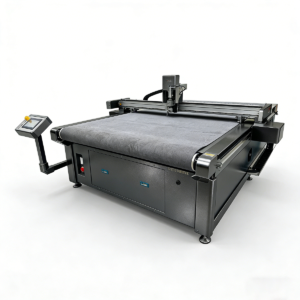
往复式切割机利用高速运动的刀片以机械方式切割材料。它不加热,而是通过刀片的反复垂直运动来干净利落地分离材料。
这使其非常适用于易受热加工损坏的柔性材料。根据机器配置,摆动刀平台还可以支持:
- 拖刀工具
- 车轮压痕
- 半切工具
- 相机定位系统
- 传送带进料
- 路由插件
对于包装、服装和汽车内饰行业的买家来说,这种灵活性是一项重大优势。一台机器通常可以处理多种不同材料和订单类型的多个作业。
激光切割机的工作原理
激光切割机利用集中的热能切割材料。这是一种非接触式切割工艺,在某些应用中非常有用,尤其是在需要最大限度减少机械力的情况下。
然而,对于柔性材料,热切割也会带来一些弊端。根据基材的不同,激光可能会导致:
- 烧焦的边缘
- 融化
- 抽烟
- 气味
- 变色
- 材料变形
这些问题对每种材料的影响并不相同,但它们非常重要,因此柔性材料行业的买家在选择工艺之前应该仔细评估这些问题。
并排比较
合适的材料
往复式切割刀通常更适用于多种柔性材料的切割。它广泛用于:
- 瓦楞纸板
- 泡沫
- 皮革
- 合成革
- 纺织品
- 无纺布
- 柔性复合材料
- 许多标牌制作材料
激光切割对某些材料可能效果很好,但对热敏基材的容忍度较低。
边缘质量
对于许多柔性材料而言,边缘质量是买家选择刀切的最大原因之一。
往复式刀片切割机通常提供:
- 纺织品边缘更干净利落
- 减少烧伤痕迹的风险
- 皮革变色较少
- 在泡沫和波纹结构上外观更佳
激光切割在某些基材上可以形成可接受的边缘,但在另一些基材上可能会留下发黑、熔化或硬化的边缘,这些边缘不适合高档产品。
热效应对材料的影响
这是最清晰的分界线之一。
往复式切割机在切割过程中不使用热量,因此避免了以下问题:
- 热收缩
- 烟痕
- 烧焦的表面层
- 边缘硬化
在一些行业中,外观、触感和材料完整性都是最终产品价值的组成部分,这一点至关重要。
速度
Speed comparisons depend heavily on the material, thickness, shape complexity, and workflow.
Laser systems may be fast on certain materials and shapes, but speed alone is the wrong way to choose a machine. In real production, total job efficiency also depends on:
- setup time
- material handling
- post-processing needs
- rejected parts from material damage
- cleaning and maintenance requirements
For many factories, the more useful question is not “Which machine is faster on paper?” but “Which machine gives us better output quality with less operational friction?”
Safety and Fumes
An oscillating knife cutter usually has an advantage in flexible-material environments because it avoids the smoke and thermal byproducts associated with laser processing on many substrates.
That can reduce the burden on:
- extraction systems
- operator comfort
- production cleanliness
- material-specific safety concerns
Laser cutting often requires stronger fume extraction and closer material evaluation, especially when cutting synthetic materials.
Operating Cost
Operating cost is not only about electricity. Buyers should compare:
- consumables
- maintenance load
- downtime risk
- extraction requirements
- rejected-product rate
- operator workload
In many flexible-material factories, an oscillating knife cutter can offer more practical cost efficiency because it avoids some of the thermal side effects that create waste or process complexity.
Maintenance
Knife cutting systems and laser systems have different maintenance profiles. For buyers, the key issue is not which machine has “zero maintenance,” because none do. The issue is which system is easier to keep productive in your real operating environment.
If your production involves many material changes, soft materials, and appearance-sensitive jobs, a knife system may be easier to manage at scale.
Which Technology Is Better by Industry?
Signage and Advertising Materials
In the signage industry, buyers often process:
- PVC foam board
- printed films
- reflective materials
- adhesive graphics
- cardboard display materials
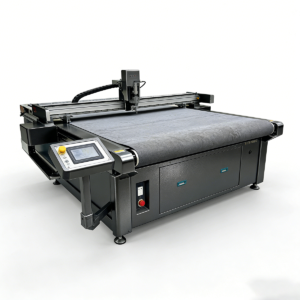
For many of these jobs, an oscillating knife cutter is attractive because it supports print-and-cut workflows, material versatility, and reduced thermal damage. If contour accuracy matters, camera positioning can further increase value.
Packaging and Corrugated Board
For corrugated cardboard, carton sample making, and short-run packaging work, an oscillating knife cutter is usually the more suitable solution.
Why?
- it can cut and crease in one workflow
- it performs well on board structures
- it avoids burn marks
- it fits prototype and short-run needs better
This is one of the clearest application areas where digital knife cutting has an operational advantage.
Fabric and Textile Cutting
Fabric is one of the strongest cases for mechanical cutting. In apparel, technical textiles, and soft materials, buyers usually care about:
- dimensional accuracy
- clean edges
- no scorching
- stable repeatability
- roll-material feeding options
An oscillating knife cutter with conveyor feeding is often more aligned with these requirements than a thermal process.
Leather and Automotive Interior Materials
In automotive interiors, edge appearance and material feel matter. Burnt edges or heat damage can lower product quality, especially in visible components.
That is why many buyers cutting:
- leather
- synthetic leather
- foam
- interior composites
prefer oscillating knife systems for these applications.
Cases Where Laser May Still Be the Better Choice
A fair comparison should not pretend one technology wins everywhere.
Laser may still be the better option when:
- the target material responds well to thermal cutting
- sealed edges are desired
- the buyer is focused on a narrower material set
- the production model is already built around laser-compatible workflows
The key is not to ask which technology is “better in general.” The correct question is which technology is better for your materials, quality standard, and workflow.
How To Choose Based on Your Material Stack
Before requesting quotes, buyers should prepare a simple material and workflow checklist:
- What materials do we cut most often?
- Which materials are heat-sensitive?
- Is edge appearance critical?
- Do we process printed graphics that need contour registration?
- Do we need creasing, kiss-cutting, or multiple tool types?
- Are our jobs mostly samples, short runs, or continuous production?
- Do we work with sheets, rolls, or both?
If your answers point to mixed flexible materials, appearance-sensitive products, and frequent job changes, an oscillating knife cutter will often be the more practical long-term investment.
Common Buyer Mistakes in This Comparison
Choosing Based Only on Maximum Speed Claims
A faster process on one material does not make it the best production choice across all jobs. Quality, waste, and workflow compatibility matter just as much.
Ignoring Material Damage
If your customers care about edge quality, color, touch, or finished appearance, material damage can cost more than the difference in machine price.
Forgetting Tool Versatility
An oscillating knife platform can often do more than cutting alone. It may also support creasing, kiss cutting, routing, and print registration. That matters when one machine serves several departments or job types.
Underestimating Workflow and Safety Costs
Fume handling, extraction, cleaning, and operator comfort should all be part of the buying decision. These are not side issues. They affect day-to-day production efficiency.
Conclusion
For flexible-material processing, the comparison between an oscillating knife cutter and a laser cutter usually comes down to one thing: does your business benefit more from thermal cutting or from material-safe mechanical cutting?
If you work with corrugated board, foam, leather, fabric, signage media, or mixed flexible materials, an oscillating knife cutter is often the better fit because it offers:
- broader material compatibility
- cleaner appearance on sensitive substrates
- less heat-related damage
- 更好地适应混合工作流程
- 更容易与包装、服装、标牌和室内应用相匹配
激光切割在合适的应用场景中仍然有其用武之地,但对于许多柔性材料制造商而言,刀切是一种更实用、风险更低的解决方案。
下一步最好的做法是使用实际材料来评估决策,而不仅仅是参考通用的机器规格。一旦比较了实际样品、边缘质量和工作流程要求,正确的选择就会变得清晰得多。
如果您想使比较更加具体,JEKE 和东莞市淘宝自动化设备有限公司可以审查您的样品材料和生产目标,然后建议摆动刀配置或其他切割方式是否更合适。
常问问题
对于布料切割来说,往复式切割刀比激光切割机更好吗?
很多情况下,是的。摆动式切割机是切割布料的首选,因为它能避免热损伤,例如烧焦、熔化或烧焦边缘,同时还能提供精确的切割效果。
为什么往复刀更适合切割瓦楞纸板?
瓦楞纸板通常采用机械切割和压痕工艺而非热切割工艺。刀片式切割系统更适合包装样品、原型制作和小批量纸箱生产。
激光切割更适合皮革加工吗?
不总是如此。对于皮革和合成革,许多买家更喜欢使用往复式切割刀,因为它能降低变色、烧焦边缘和材料发生意外变化的风险。
哪种机器更适合加工柔性材料?
对于混合柔性材料,往复式切割机通常用途更广泛,因为它通常可以在一个平台上处理纺织品、泡沫、皮革、纸板和标牌制作材料。
我如何知道哪种系统适合我的工厂?
首先列出您的实际材料清单、厚度范围、质量要求和工作流程。如果您需要处理多种柔性材料,并且需要确保切割外观完好,那么往复式切割系统通常是更佳选择。