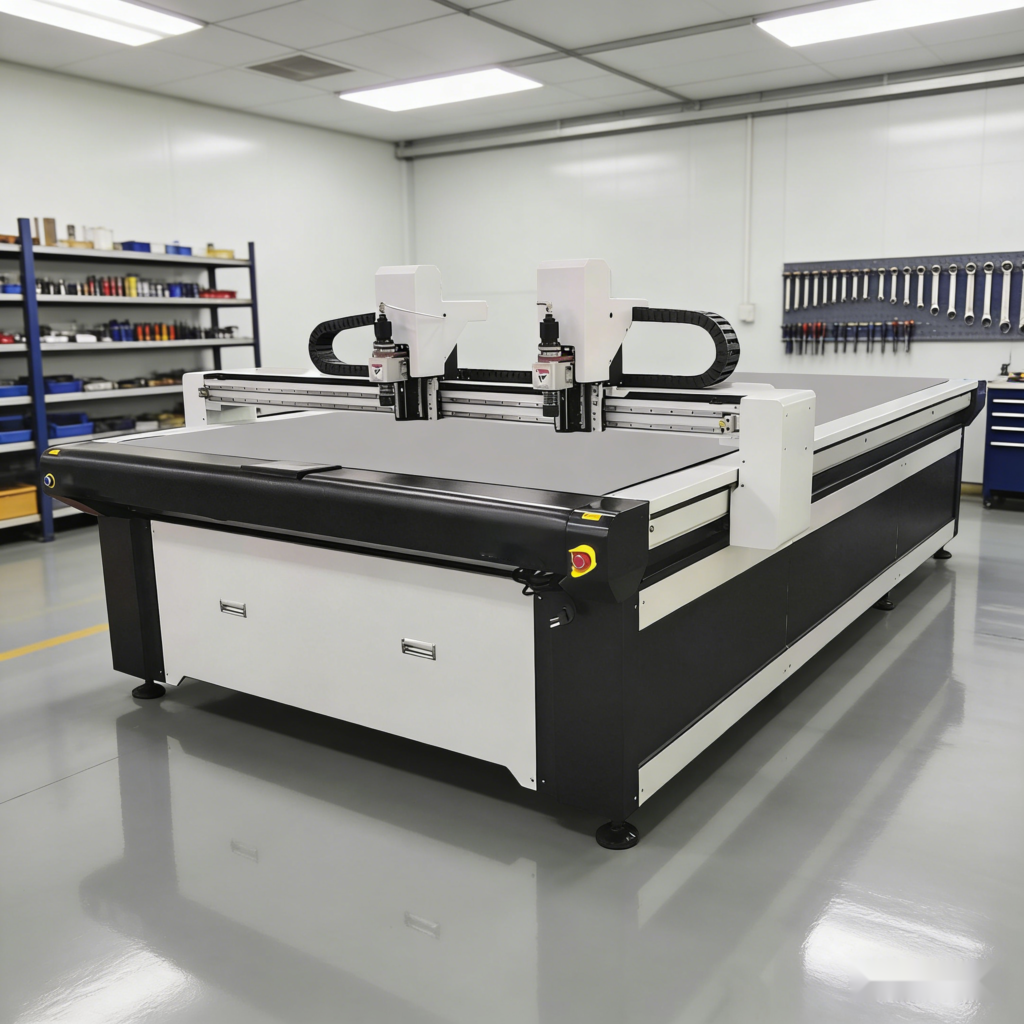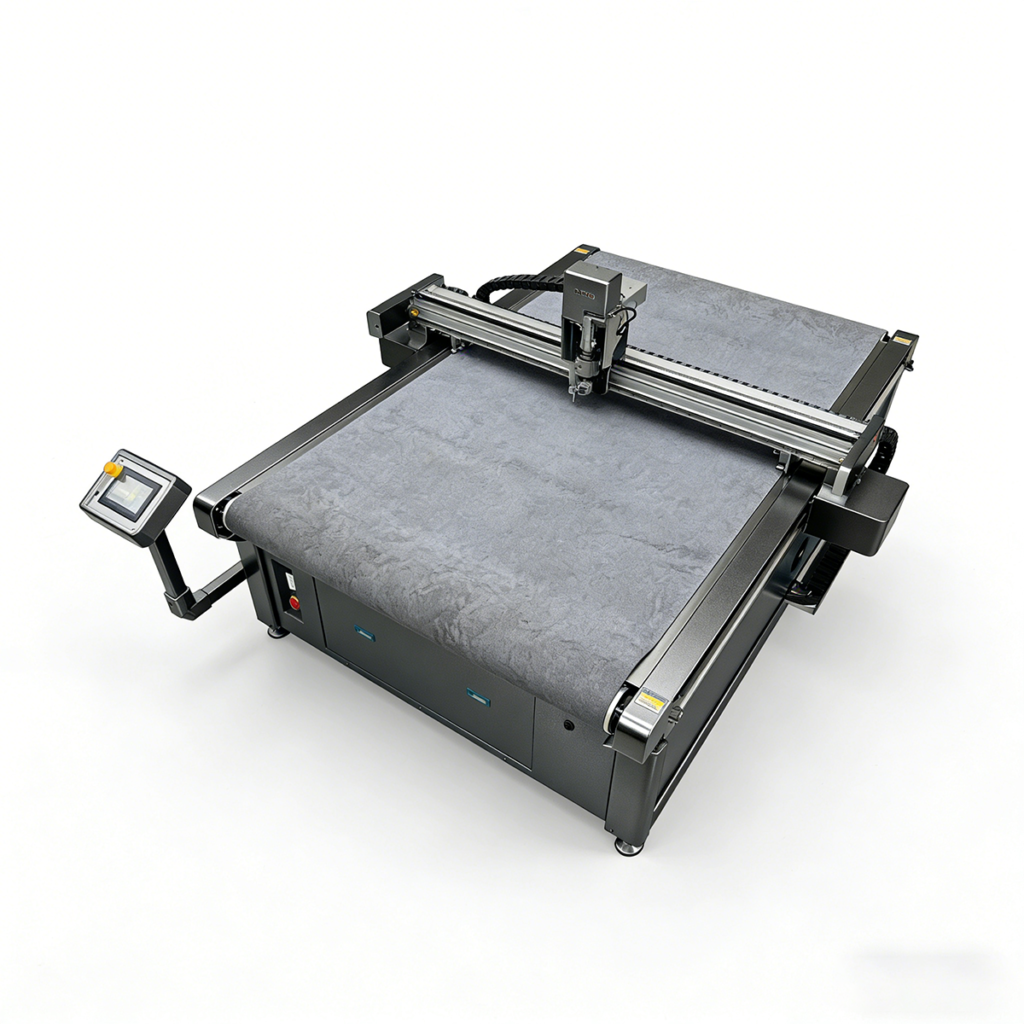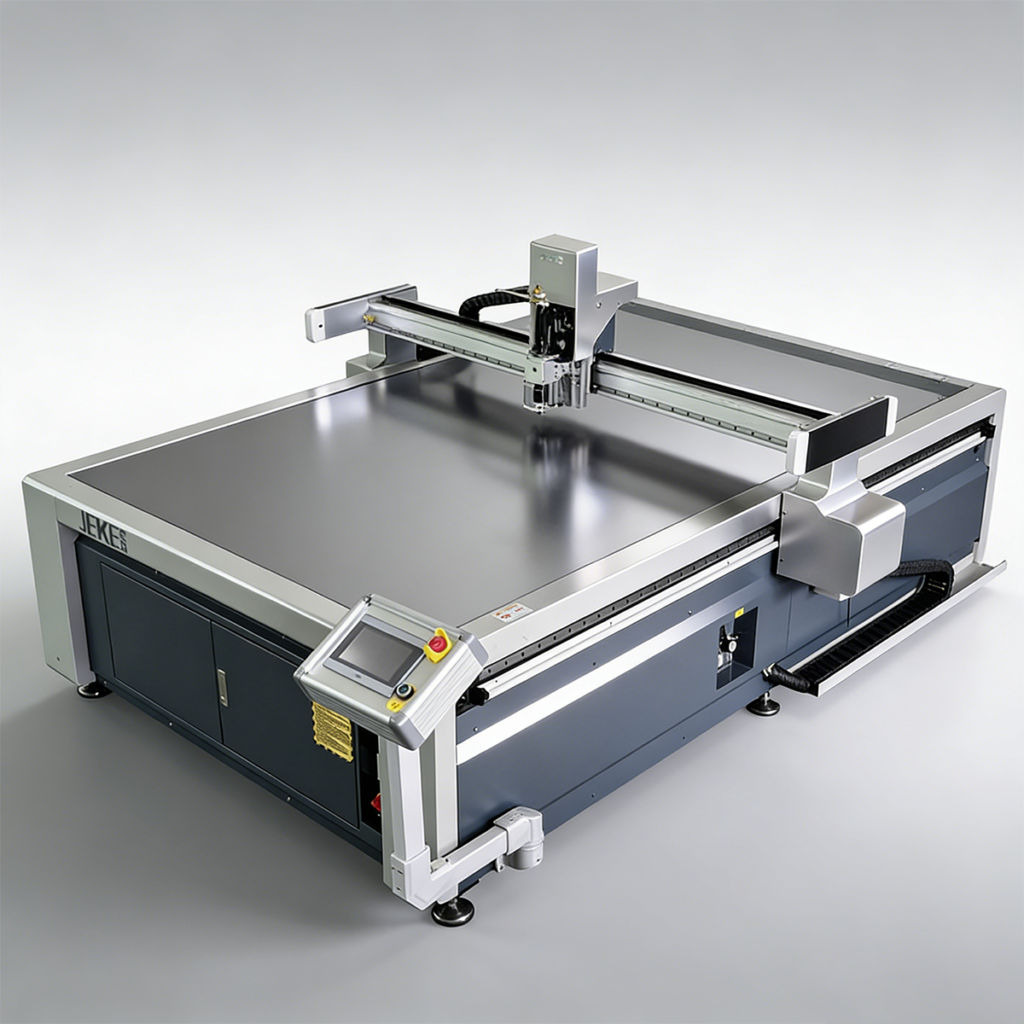
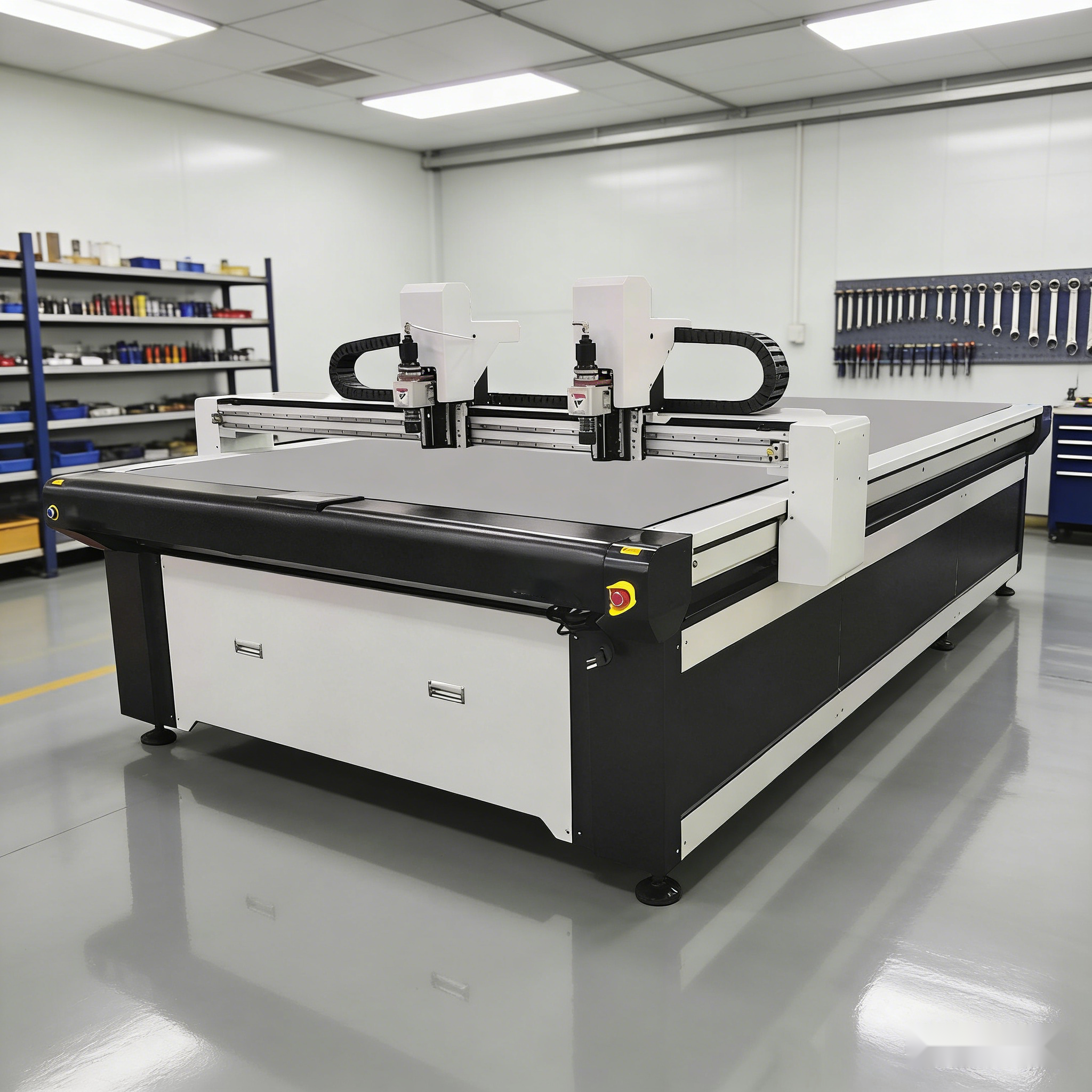
In the apparel industry, cutting is one of the most important steps in the entire production process. If cutting accuracy is unstable, material waste increases, sewing alignment becomes more difficult, and delivery pressure grows across the whole factory.
That is why more manufacturers are evaluating a fabric cutting machine for apparel industry workflows. As order cycles get shorter and customization becomes more common, garment factories and sample rooms need a faster and more consistent way to process fabric without relying too heavily on manual cutting.
In this guide, we explain why apparel manufacturers are moving toward digital fabric cutting, what features matter most, which workflows benefit the most, and how to choose the right machine for your production environment.
At Dongguan Diaobao Automation Equipment Co., Ltd, the JEKE brand focuses on automated cutting solutions for flexible materials, including textile and apparel applications where cutting quality and workflow speed directly affect output.
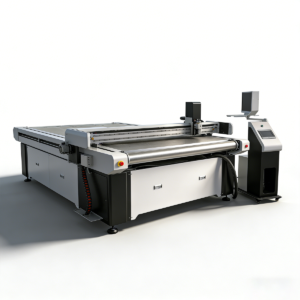
Why Apparel Factories Are Moving Toward Digital Fabric Cutting
Traditional cutting methods can still work in some environments, especially when production is simple or order volume is low. But in many apparel operations, manual cutting creates several recurring problems:
- unstable cutting accuracy
- dependence on operator skill
- slower sample turnaround
- higher labor pressure
- more material waste
- difficulty handling frequent style changes
As the apparel industry moves toward shorter runs, fast development cycles, and more product variety, those problems become harder to manage with manual processes alone.
A digital fabric cutting machine helps factories improve repeatability and reduce cutting bottlenecks by turning design data into cleaner, more controlled output.
What a Fabric Cutting Machine Does in an Apparel Workflow
A fabric cutting machine is not only about replacing scissors or knives. In a modern apparel workflow, it helps connect design, nesting, material handling, and production execution.
Depending on the setup, it can support:
- sample development
- pattern cutting
- roll-fed fabric processing
- repeated production jobs
- custom order cutting
- small-batch fashion manufacturing
The real value is not just automation for its own sake. The value comes from making cutting more stable, faster, and easier to scale.
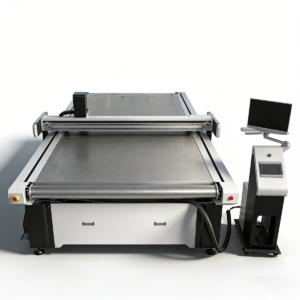
Which Apparel Businesses Benefit Most?
Not every apparel company has the same production model. The right machine choice depends on how the business works.
Sample Rooms and Development Teams
Fashion brands and garment factories that create many samples need fast pattern output and quick revision handling. A digital cutter helps reduce delays between design changes and physical sample production.
Small and Medium Garment Factories
Factories producing varied styles in moderate volumes often struggle with labor efficiency and cutting consistency. For these businesses, a fabric cutting machine can improve control without requiring the same workflow as a high-volume, single-style production line.
Customized and Short-Run Apparel Producers
Businesses handling custom garments, private-label runs, or frequent product updates benefit from a cutting process that can switch jobs quickly without heavy manual setup.
Technical Textile and Soft Material Manufacturers
Some producers work with fabrics that require stable handling and accurate shape cutting beyond standard apparel use. In these cases, digital cutting can support better process control and more reliable output.
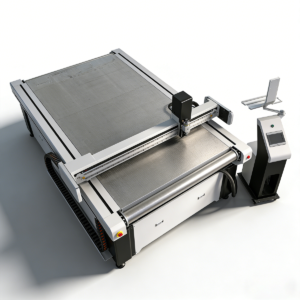
What Fabrics and Materials Need To Be Considered?
Before choosing a machine, the buyer should define the actual material range. In apparel and textile production, this may include:
- cotton
- polyester
- canvas
- denim
- knit fabrics
- nonwoven materials
- synthetic textile blends
Material type matters because different fabrics behave differently in feeding, cutting stability, and edge handling. A machine that works well for one textile type may need a different setup for another.
That is why a supplier should not recommend a machine based only on broad industry labels. The machine should match the real fabric mix in your production.
Key Features To Look For in a Fabric Cutting Machine
Cutting Accuracy
In apparel production, cutting accuracy affects downstream quality. If cut shapes are inconsistent, sewing becomes less efficient and finished garments may show fit or alignment issues.
A good fabric cutting machine should improve dimensional consistency and help standardize repeated jobs.
Material Feeding Method
Some apparel workflows depend on sheet handling, while others rely on continuous rolls. If your factory regularly processes roll materials, feeding design becomes a major part of machine selection.
That is why many apparel buyers evaluate whether they need:
- standard flatbed handling
- conveyor-based workflow
- more stable support for continuous material cutting
Speed With Job Changes
In modern apparel production, raw speed is not the only priority. Factories often need to switch styles, sizes, or patterns quickly. If a machine is difficult to reset or reconfigure, it may slow the actual workflow even if its cutting speed looks good on paper.
Software and Pattern Workflow
A cutting machine should fit into the pattern and layout process already used by the factory. If file preparation is slow or the workflow between design and cutting is disconnected, production efficiency will still suffer.
Software compatibility matters because it affects:
- nesting efficiency
- pattern transfer speed
- repeat job setup
- revision management
Labor Savings and Ease of Operation
The best machine does not only cut well. It also reduces dependence on manual adjustment and helps operators work more efficiently. For apparel businesses facing labor pressure, this is often one of the strongest reasons to invest.
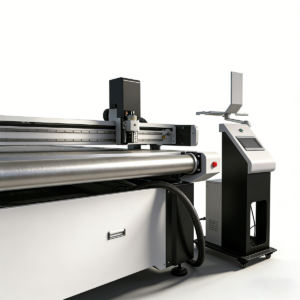
How a Fabric Cutting Machine Improves Apparel Production
Better Consistency
Digital cutting helps standardize repeated jobs. This is useful for factories that need predictable output across multiple sizes or repeated production orders.
Faster Sample Turnaround
Sample rooms and development teams benefit when pattern changes can move quickly into cutting without slow manual preparation.
Lower Material Waste
More controlled layout and cutting can help reduce avoidable waste, especially when fabric cost is significant.
Less Dependence on Manual Skill
Manual cutting quality can vary by operator and fatigue level. A digital cutting system helps make output more stable and repeatable.
Easier Handling of Short Runs
As apparel businesses move toward smaller and more varied orders, flexible cutting becomes more important. A fabric cutting machine is well suited to that type of workflow.
Common Buying Mistakes in the Apparel Industry
Buying Only by Speed
Cutting speed matters, but it is not enough. Apparel factories also need to evaluate:
- fabric handling stability
- pattern workflow fit
- ease of job switching
- output consistency
Ignoring the Real Material Mix
Some buyers describe their production too generally. “We cut fabric” is not enough information. Cotton, denim, knit, and technical textiles may place different demands on the cutting process.
Overlooking Sample and Small-Batch Needs
If a business depends on frequent style changes or customer-specific orders, a rigid production setup may not be the best fit even if it looks efficient in a narrow scenario.
Forgetting After-Sales Support
Training, software support, spare parts, and application guidance matter in production equipment. Long-term value depends on more than purchase price.
How To Choose the Right Fabric Cutting Machine
Before asking for a quotation, apparel buyers should prepare clear answers to these questions:
- What fabrics do we cut most often?
- Are our materials mainly rolls or sheets?
- Is the machine for sample development, production support, or both?
- Do we need fast style changes?
- What are our common order sizes?
- Which part of the current cutting process causes the most delay?
- How important are labor savings versus pure output speed?
These answers help turn a general inquiry into a useful machine recommendation.
Why More Apparel Manufacturers Are Adopting This Technology
The apparel market is under pressure from fast delivery expectations, style variation, and labor costs. That makes cutting efficiency more important than before.
For many factories, a digital fabric cutting machine is not just a technology upgrade. It is a way to improve process control, reduce waste, support sample development, and handle more varied production without losing consistency.
That is why more garment manufacturers, sample rooms, and textile processors are moving toward flexible digital cutting systems.
Conclusion
A fabric cutting machine for apparel industry applications can help manufacturers improve accuracy, reduce waste, shorten sample cycles, and handle changing order patterns more efficiently.
The best machine is not simply the fastest one. It is the one that matches your real fabric types, feeding method, order profile, and production bottlenecks.
For apparel factories, sample rooms, and custom garment businesses, digital cutting can create a more stable workflow and reduce the operational pressure that comes with manual processing.
If you want a more practical recommendation, JEKE and Dongguan Diaobao Automation Equipment Co., Ltd can review your fabric types, production method, and workflow goals, then suggest a cutting configuration that fits your apparel process without making it unnecessarily complicated.
FAQ
What is the main benefit of a fabric cutting machine in the apparel industry?
The main benefit is more stable cutting quality combined with faster workflow and lower dependence on manual cutting. It helps improve consistency and supports modern apparel production needs.
Is a fabric cutting machine useful for small apparel factories?
Yes. It can be especially useful for small and medium factories that handle many styles, short runs, or frequent sample development where manual cutting creates delays.
Can one machine handle different fabric types?
It depends on the machine configuration and material range, but many digital cutting systems are designed to support multiple textile types when matched to the real production workflow.
Why does material feeding matter so much?
Feeding affects cutting stability, especially when working with roll materials or repeated textile jobs. The right feeding setup helps maintain output consistency and efficiency.
How do I choose the right apparel cutting machine?
Start by reviewing your fabric mix, order type, sample needs, production scale, and workflow bottlenecks. The right machine should solve your most important cutting problems, not just offer high speed in theory.