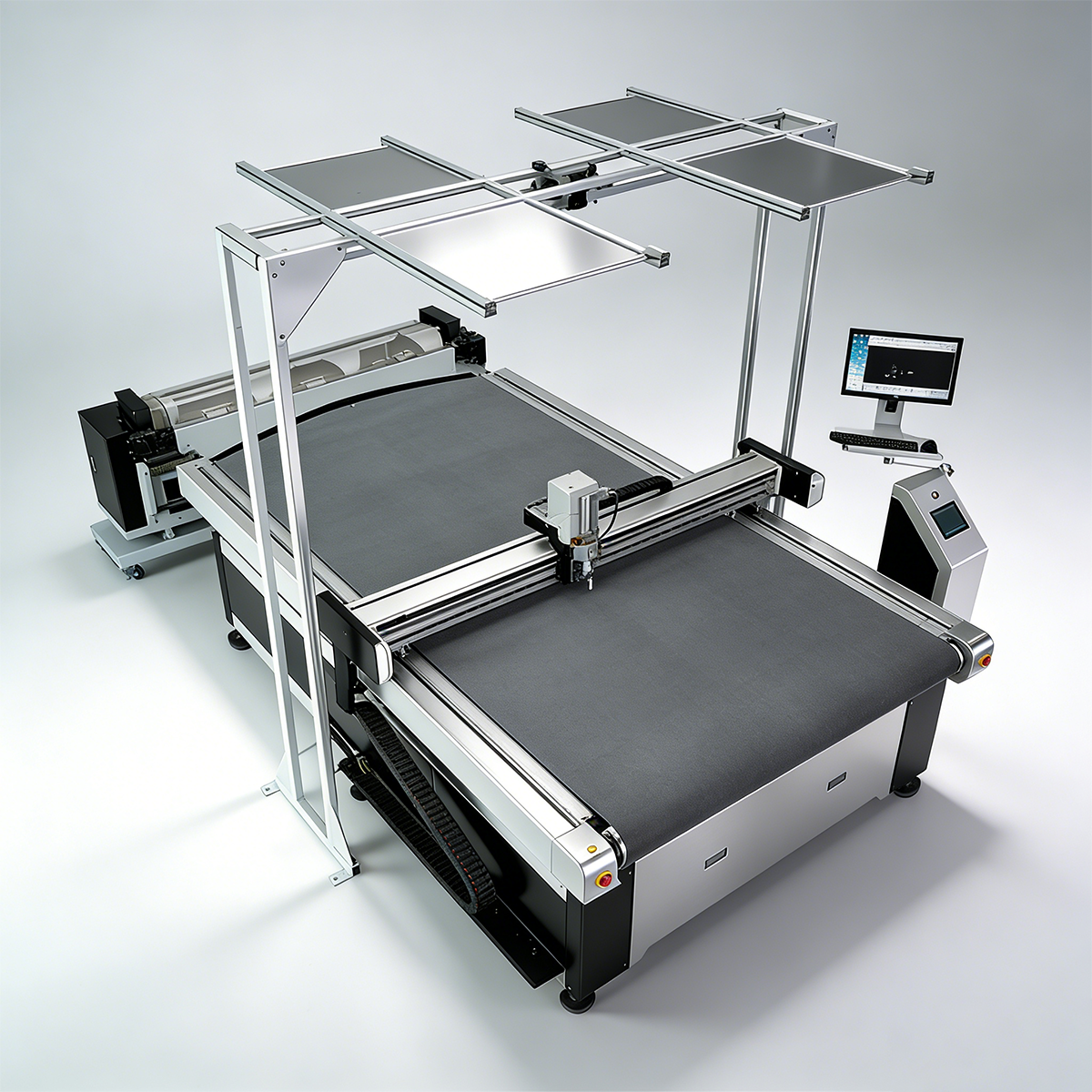
In print-and-cut production, the cutting problem is often not the cut itself. It is the alignment. A job may look perfect on screen and print well on media, but if the cutting path does not match the printed graphics accurately, the final result becomes unusable or at least unprofessional.
That is why more companies are searching for a camera positioning cutting machine. Whether the application is stickers, labels, packaging mockups, display graphics, or shaped promotional materials, registration accuracy is one of the most important parts of the workflow.
In this guide, we explain what a camera positioning cutting machine does, which industries benefit most, what kinds of jobs require it, and how to choose the right setup for a reliable print-and-cut process.
At Dongguan Diaobao Automation Equipment Co., Ltd, the JEKE brand focuses on automated cutting solutions for flexible materials and print-related applications. That is why camera-based positioning is a practical topic for many of the workflows we support.
What Is a Camera Positioning Cutting Machine?
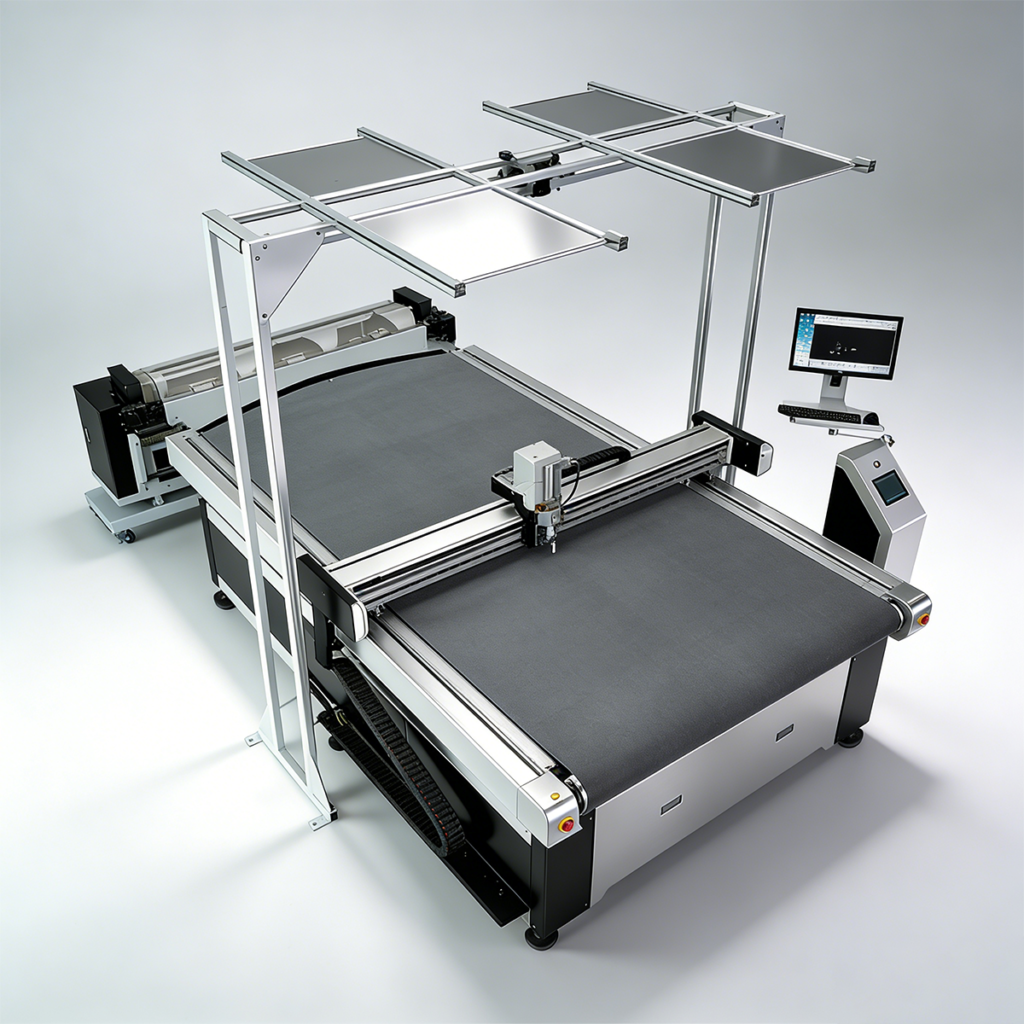
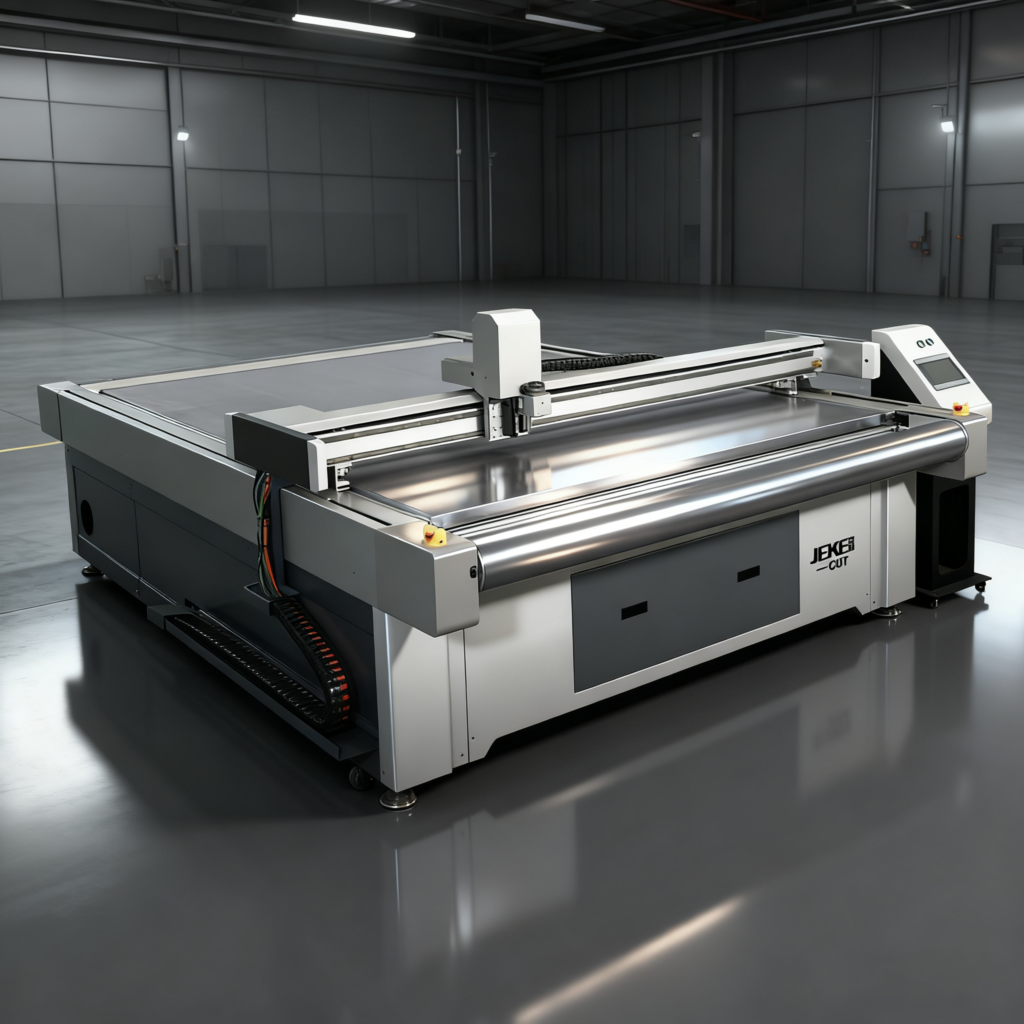
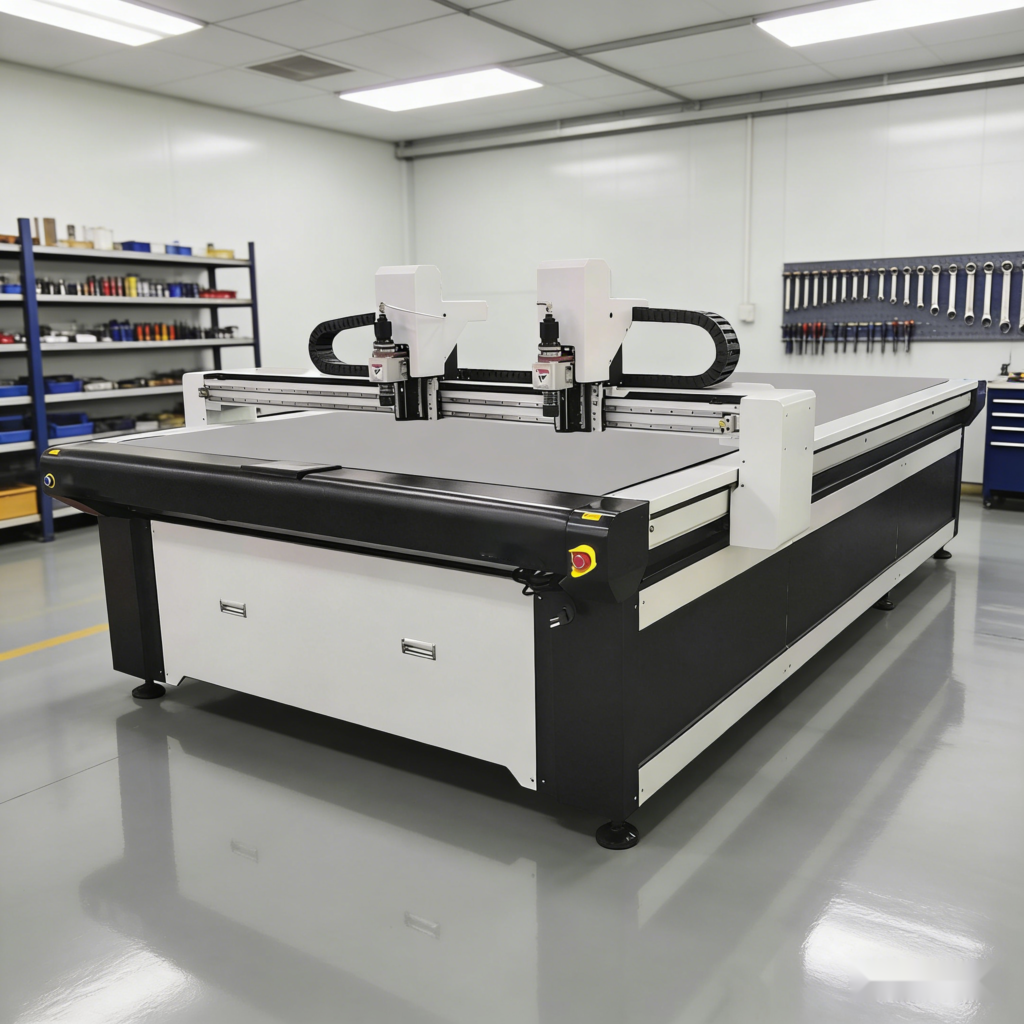
A camera positioning cutting machine is a digital cutting system that uses a vision or camera-based recognition process to locate printed registration marks, contour references, or image positions before cutting.
Instead of assuming the printed sheet or media is perfectly aligned, the system reads reference points and adjusts the cut path to match the real printed output. This reduces cutting error caused by:
- media shift
- print deviation
- manual placement variation
- sheet positioning inaccuracy
- contour mismatch
For businesses running print-and-cut jobs, this capability is not just a convenience. It is often the difference between a clean finished product and expensive waste.
Why Camera Positioning Matters So Much
In many workflows, print and cut are separate steps. The material is printed first, then moved into cutting. Even a small alignment difference between those stages can create visible error.
Without a reliable positioning system, businesses may face:
- uneven borders around printed graphics
- contour cuts that drift off the artwork
- failed label or sticker jobs
- repeated manual adjustment
- higher reject rates
- slower production
That is why a camera positioning cutting machine is especially valuable in applications where appearance and shape accuracy matter.
Which Industries Benefit Most?
Signage and Display Graphics
For printed graphics, shaped signs, promotional visuals, and POP materials, contour accuracy is essential. A camera positioning system helps make sure the cut follows the printed design instead of a theoretical placement.
Label and Sticker Production
Small-format graphics and label-style jobs often require accurate contour cutting around printed shapes. In these applications, even minor drift can be obvious.
Packaging Samples and Mockups
When packaging teams produce printed presentation samples, they often need both structural shape and visual accuracy. Camera positioning helps align cutting with branded artwork more precisely.
Advertising Materials
Promotional items, printed decals, retail visuals, and shaped campaign materials all benefit from improved registration performance.
What Problems Does It Actually Solve?
Buyers usually do not purchase a camera positioning cutting machine because they want “vision technology.” They buy it because they want to solve specific production problems.
Problem 1: Contour Cuts Do Not Match Printed Artwork
This is the most common issue. If the cutting path misses the printed edge, the product looks low quality or cannot be delivered at all.
Camera positioning helps correct this by reading actual reference marks before cutting.
Problem 2: Operators Spend Too Much Time Adjusting Media
Without reliable positioning, operators may spend time nudging, testing, and re-running jobs. This slows output and increases frustration in short-run work.
Problem 3: High Reject Rate on Custom Jobs
Custom-shaped jobs often have less margin for error. A small registration mistake can ruin the entire piece. Better positioning reduces the chance of failed output.
Problem 4: Print-and-Cut Workflow Becomes a Bottleneck
Many businesses can print fast but lose time at the finishing stage. A camera positioning cutting machine helps make finishing more consistent and less dependent on manual alignment.
Common Applications for Camera Positioning Cutting
This type of machine is especially useful for:
- contour-cut stickers
- printed labels
- retail display graphics
- shaped promotional signage
- packaging mockups
- printed cardboard display pieces
- reflective or specialty film jobs
If your output depends on the relationship between printed artwork and final cut shape, camera positioning should be considered a core requirement.
What Features To Look For
Registration Accuracy
The whole point of camera positioning is accurate alignment. Buyers should evaluate how well the system recognizes marks and maintains cutting consistency across repeated jobs.
Workflow Speed
A positioning system should improve productivity, not create slow setup. The machine should identify marks and move into cutting without excessive delay.
Media Compatibility
Different businesses use different materials. The machine should support your real print-and-cut media, whether that includes films, labels, display boards, or packaging sample materials.
Software Integration
A good camera positioning cutting machine should fit into the current print and design workflow. If file preparation, registration setup, or contour generation is awkward, overall efficiency will still suffer.
Tool Flexibility
Some users need only contour cutting. Others also need kiss cutting, knife cutting, creasing, or additional finishing functions. The right configuration depends on the job mix.
Why It Matters for Short-Run and Customized Work
As more businesses move toward short-run production, customization, and fast campaign turnover, manual alignment becomes less practical. Camera positioning is especially helpful in jobs where:
- order volume is small
- shape variation is frequent
- graphics change often
- customer approval speed matters
This is one reason signage, packaging, and advertising workflows increasingly rely on digitally controlled finishing rather than manual cutting methods.
Common Buying Mistakes
Treating Camera Positioning as an Optional Feature
If your business depends on contour-cut printed jobs, camera positioning is not a luxury. It is part of the process requirement.
Focusing Only on Machine Size
Table size matters, but it does not solve registration problems. Buyers should evaluate positioning performance, software workflow, and media handling together.
Ignoring the Full Print-and-Cut Process
A machine may look good in isolation, but the real question is how it fits with your printer, file setup, job preparation, and finishing workflow.
Buying for One Job Type Only
If your business handles stickers today and display graphics tomorrow, flexibility matters. A narrow machine choice may become limiting quickly.
How To Choose the Right Camera Positioning Cutting Machine
Before requesting a quotation, buyers should prepare answers to these questions:
- What printed products do we cut most often?
- Which materials do we use?
- How important is contour precision to final quality?
- Do we need only contour cutting, or also kiss cutting, knife cutting, or creasing?
- What part of our current workflow creates the most waste or delay?
- Are our jobs mainly short-run, customized, or repeat production?
These answers help define the right machine more clearly than general phrases like “we need better accuracy.”
Why More Companies Are Adopting This Type of Equipment
Modern customers expect shorter lead times, more customization, and cleaner finishing. That means businesses need a cutting process that keeps up with printed output instead of slowing it down.
A camera positioning cutting machine helps close the gap between print quality and final finished quality. It improves registration consistency, reduces waste, and makes the print-and-cut workflow more reliable.
For many businesses, that is not just an equipment upgrade. It is a way to protect quality while increasing operational confidence.
Conclusion
A camera positioning cutting machine solves one of the biggest problems in print-and-cut production: making the cut match the real printed output accurately and consistently.
For businesses producing stickers, labels, signage, packaging samples, or display graphics, this matters because finish quality depends on registration precision just as much as on print quality.
The best machine is not simply the one with a camera. It is the one that matches your materials, contour accuracy needs, software workflow, and finishing requirements.
If you want a more practical recommendation, JEKE and Dongguan Diaobao Automation Equipment Co., Ltd can review your print-and-cut applications, material types, and accuracy requirements, then suggest a camera positioning cutting setup that fits your workflow without unnecessary complexity.
FAQ
What is a camera positioning cutting machine used for?
It is used for print-and-cut jobs where the machine must recognize printed registration marks or graphic positions before cutting, so the final cut matches the artwork accurately.
Is camera positioning important for stickers and labels?
Yes. Stickers and labels often require precise contour cutting, and even small registration errors can be visible in the final product.
Which industries need camera positioning cutting the most?
It is especially useful in signage, labels, packaging mockups, advertising graphics, and other workflows where printed visuals must align closely with the cut path.
Does camera positioning make production faster?
In many cases, yes. It reduces manual alignment, lowers reject rates, and makes print-and-cut finishing more stable, especially in short-run custom work.
How do I choose the right machine?
Start by reviewing your main materials, contour-cut accuracy needs, print workflow, and finishing requirements. The right machine should solve your actual registration and output problems, not just offer a general vision feature.