In automotive interior manufacturing, material accuracy is not just a quality issue. It affects assembly fit, production efficiency, material utilization, and the final appearance of the finished vehicle interior. When cutting quality is unstable, the problem does not stop at one workstation. It continues into sewing, lamination, assembly, and inspection.
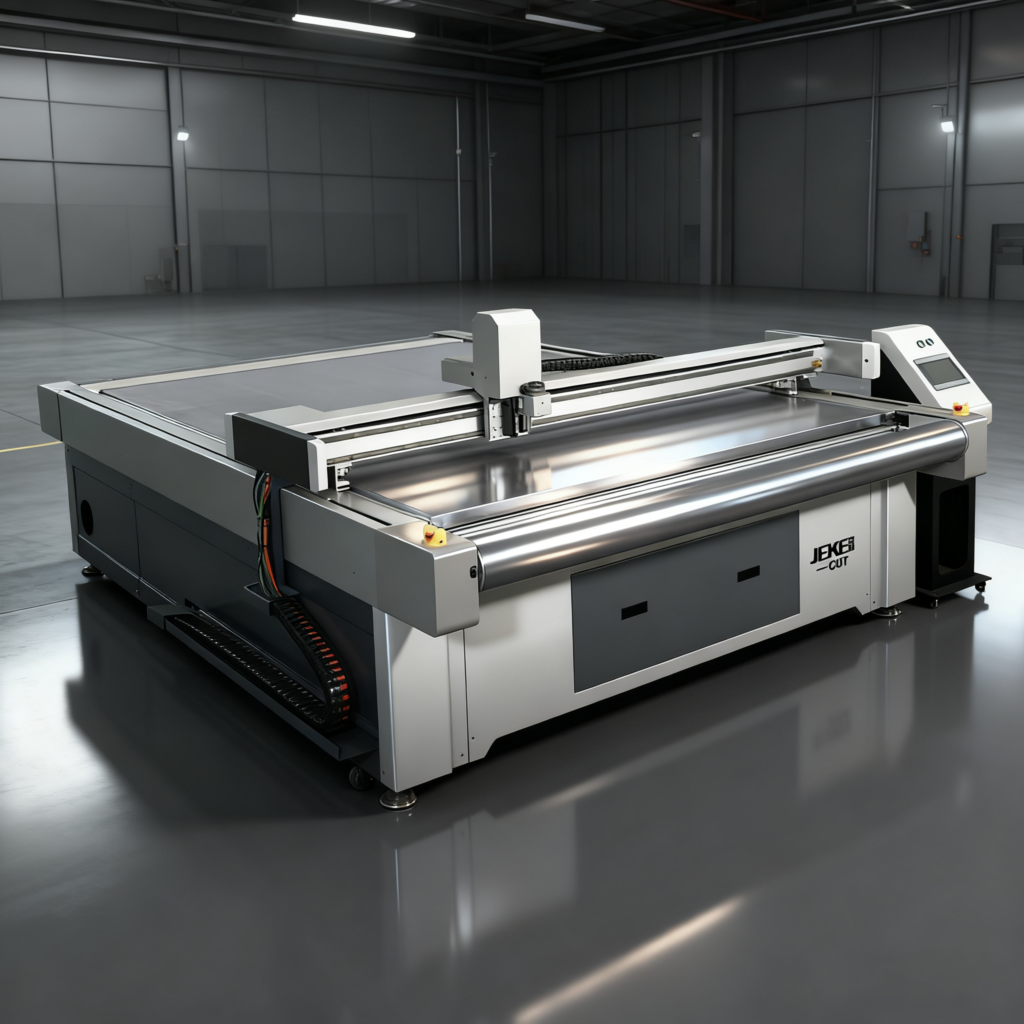
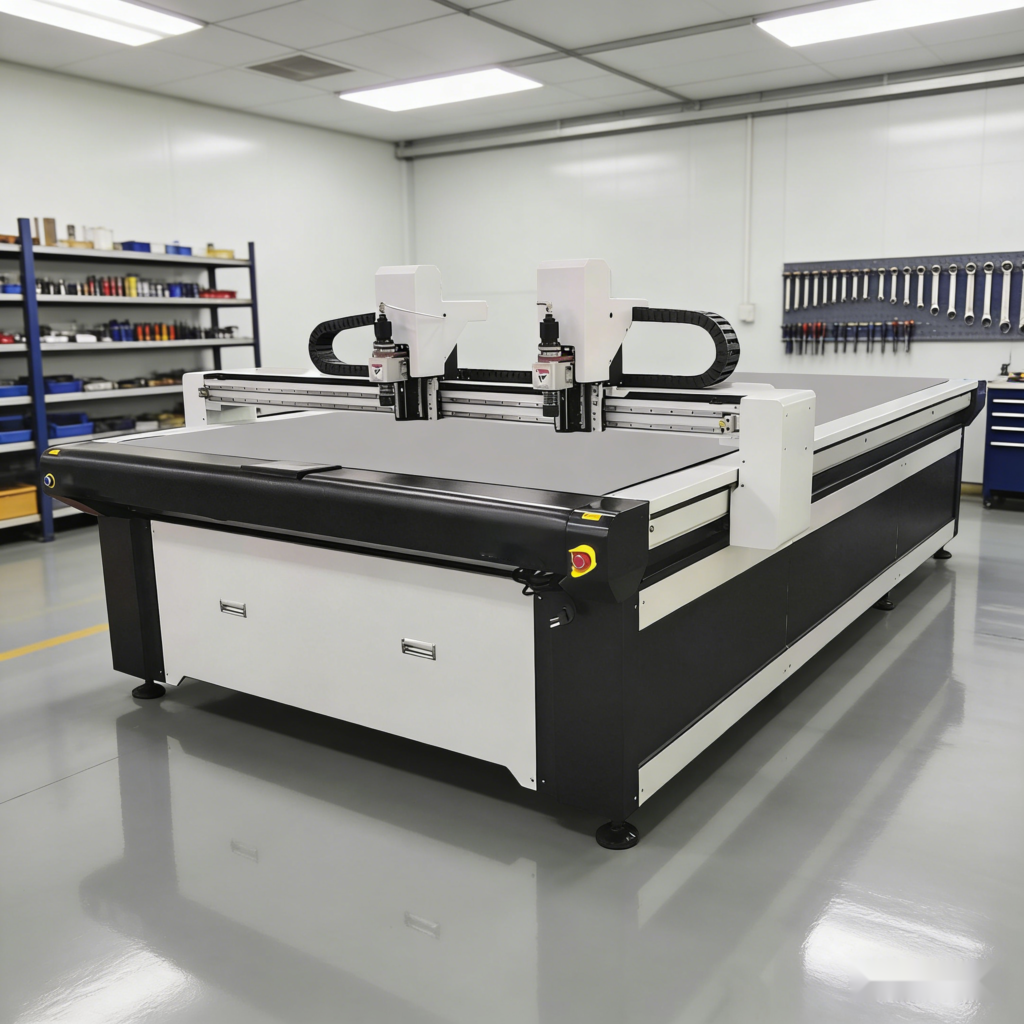
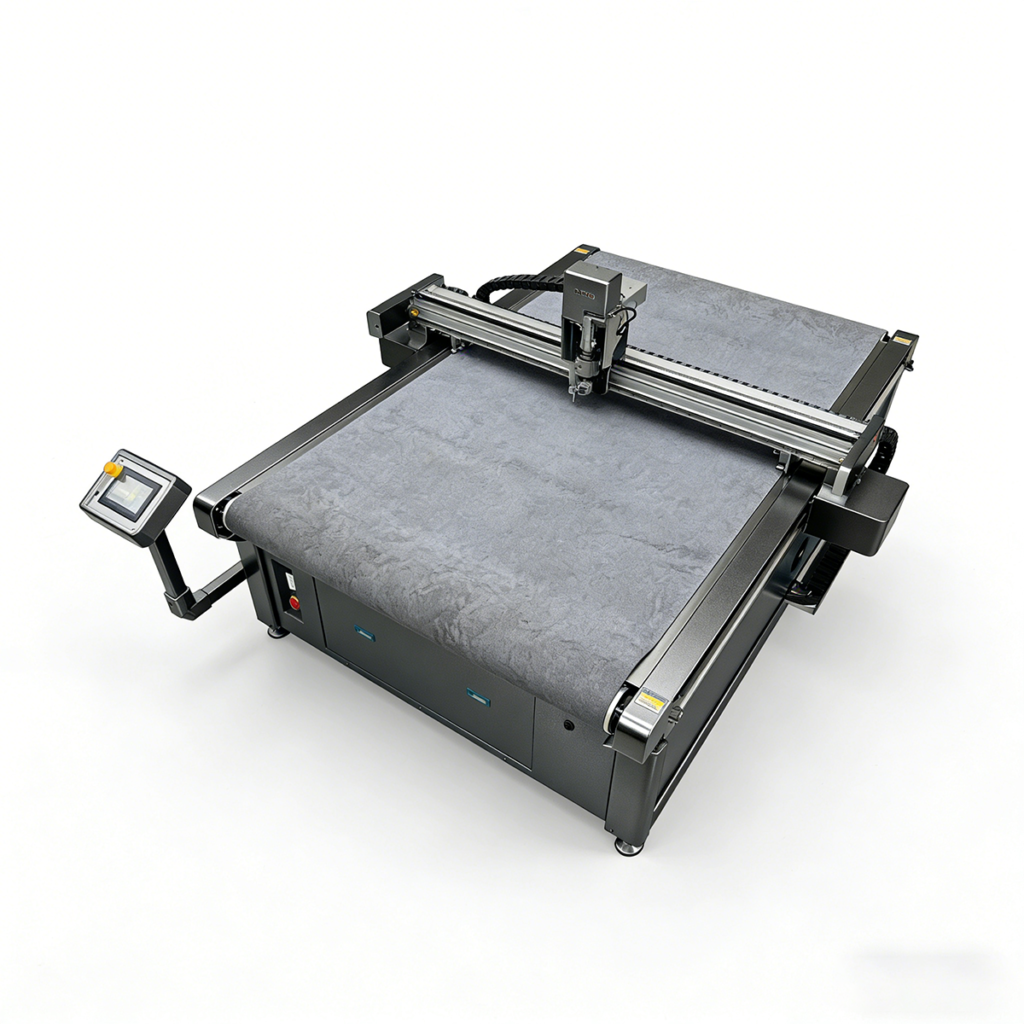
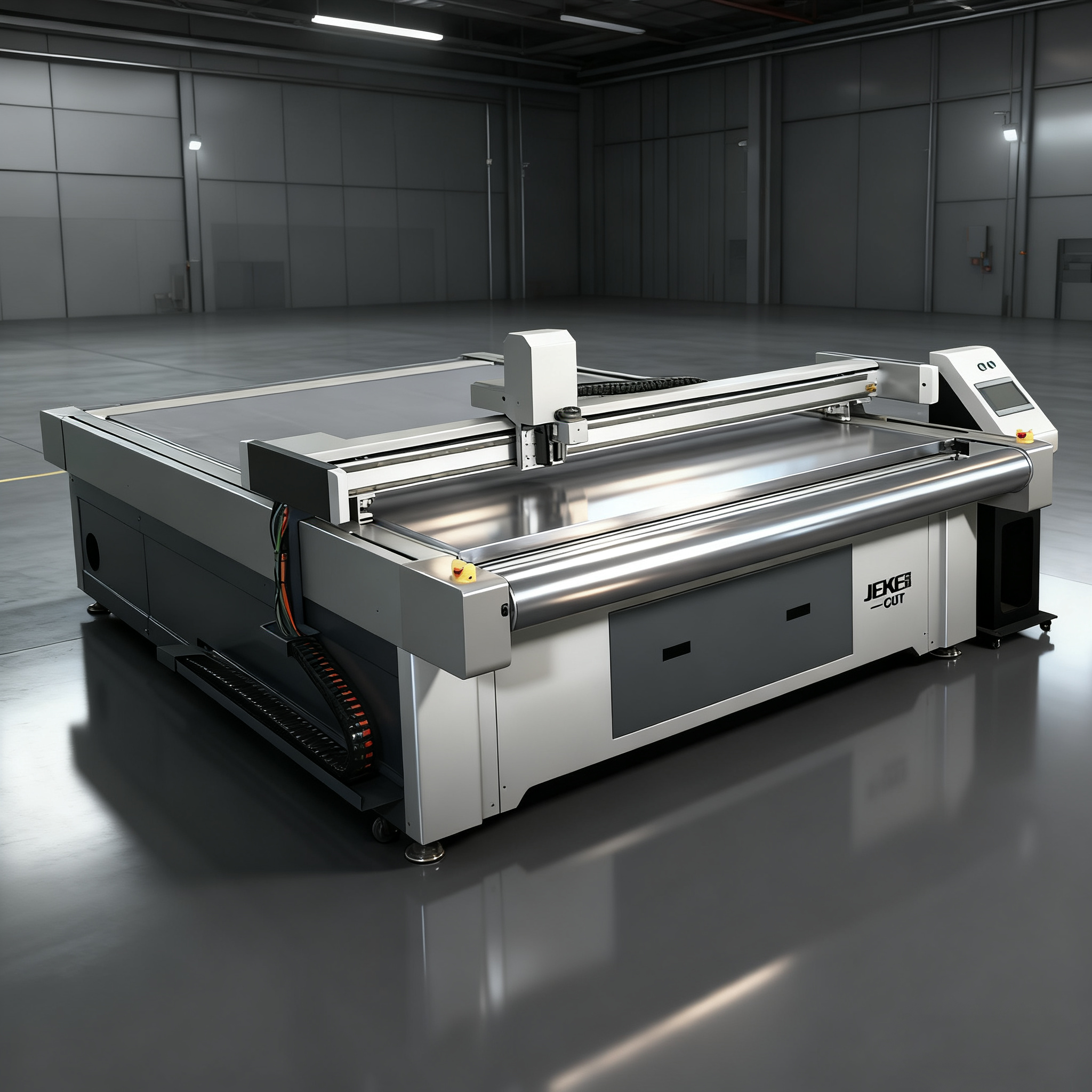
That is why more manufacturers are evaluating an automotive interior cutting machine for leather, foam, fabric, and composite material workflows. As model variation increases and interior parts become more customized, manual or inconsistent cutting methods create too much waste and too much process risk.
In this guide, we explain what automotive interior cutting equipment needs to handle, which applications benefit most from digital cutting, what machine features matter most, and how to choose the right system for your production environment.
At Dongguan Diaobao Automation Equipment Co., Ltd, the JEKE brand focuses on automated cutting solutions for flexible materials, including automotive interior applications where clean edges, repeatability, and stable material handling are critical.
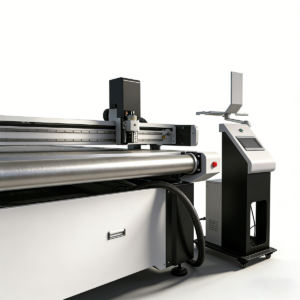 Why Automotive Interior Manufacturers Need Better Cutting Control
Automotive interiors use a wide mix of materials and part shapes. Production teams may process:
- natural leather
- synthetic leather
- PU materials
- foam layers
- textile fabrics
- nonwoven materials
- composite laminates
- backing and reinforcement materials
These materials are then used in products such as:
- seat covers
- floor mats
- door panel materials
- headliner components
- pillar trim materials
- dashboard soft materials
The difficulty is not just cutting the shape. It is cutting the right shape consistently across repeated jobs, layered materials, and changing product specifications.
That is why digital cutting has become more important in automotive interior production. It improves repeatability and helps manufacturers manage quality more closely.
What an Automotive Interior Cutting Machine Needs To Handle
An automotive interior cutting machine must do more than cut soft materials. It must handle demanding production conditions without damaging the material or slowing the workflow.
Leather and Synthetic Leather
Leather cutting requires accurate contour control and good edge appearance. If the cut quality is poor, visible components may fail quality expectations or require extra rework.
For many leather applications, a digital knife cutting system is preferred because it avoids the thermal impact that can affect material appearance.
Foam and Layered Materials
Foam is widely used in seat, trim, and comfort-related interior components. These materials often require stable cutting pressure and clean shaping to support later assembly steps.
Fabric and Textile Components
Automotive interiors also include fabric-based parts that need repeatable geometry and efficient material utilization. Depending on the workflow, stable feeding and nesting efficiency can become just as important as cutting speed.
Composite and Laminated Structures
Some applications use layered materials with different physical behaviors. That makes machine control, tool selection, and process stability especially important.
Which Automotive Interior Applications Benefit Most?
Not every automotive supplier has the same product mix, but digital cutting is especially useful in these areas:
Seat Cover Production
Seat covers require consistent pattern accuracy because downstream sewing and assembly depend on stable part dimensions. Variation here quickly affects final fit.
Floor Mat Cutting
Floor mats often involve customized shapes, material variation, and frequent model differences. A digital cutting machine helps handle this complexity more efficiently.
Door Panels and Trim Materials
Interior trim components often require clean cuts and stable repeatability, especially where visible surface quality matters.
Development and Sample Work
Automotive interior suppliers also need faster development support. When sample and validation cycles are slow, response time to OEM or customer requirements becomes harder to manage.
Why Digital Knife Cutting Fits Automotive Interior Materials
In many automotive interior applications, the main advantage of digital knife cutting is material protection.
Compared with methods that may create heat-related marks or material changes, a digital knife system is often better suited for:
- leather appearance control
- foam edge stability
- flexible material versatility
- mixed-material production
- reduced risk of burn or discoloration
This is one reason buyers in automotive interiors often compare oscillating knife solutions very seriously, especially when visible material quality is part of the final product requirement.
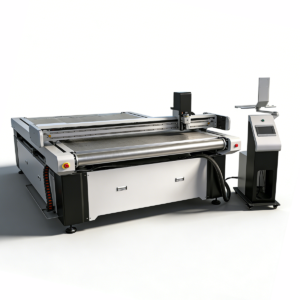 Key Features To Look For in an Automotive Interior Cutting Machine
Cutting Accuracy and Repeatability
This is one of the most important factors. Automotive suppliers need parts that match specification consistently across repeated jobs. If cutting accuracy drifts, downstream process stability suffers.
Material Handling Stability
Many interior materials are flexible, layered, or shape-sensitive. A machine should hold and process these materials in a stable way without creating distortion.
Tool Configuration
The right tool setup depends on the product mix. For automotive interiors, buyers often need a machine that can support multiple material types instead of one narrow application only.
Nesting and Material Utilization
Material cost matters. Better nesting and layout control can reduce waste, especially in leather and higher-value composite materials.
Workflow Compatibility
The machine should fit into the existing design, pattern, and production process. If programming, file transfer, or revision handling are inefficient, the machine will not deliver its full value.
Support and Application Guidance
Automotive interior production usually has stricter quality expectations than many general soft-material industries. That makes supplier support, training, and application experience more important.
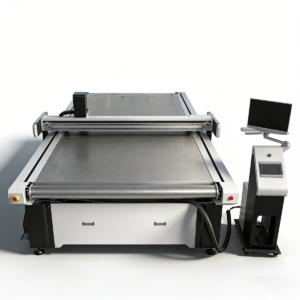
How a Better Cutting System Improves Production
More Stable Part Quality
Repeatable cutting helps reduce variation in sewing and assembly stages.
Lower Waste
Improved nesting and better cut consistency can reduce unnecessary material loss.
Better Support for Multiple Models and Parts
Automotive interior manufacturers often work across different vehicle models, part geometries, and material stacks. A digital cutting machine makes these changes easier to manage.
Faster Development Response
Sample production and part adjustment become more efficient when cutting moves directly from digital data into controlled output.
Less Dependence on Manual Variability
Manual cutting quality depends heavily on operator consistency. A digital system improves process control and reduces this risk.
Common Buying Mistakes
Choosing Only by Maximum Speed
Speed matters, but for automotive interiors, accuracy, material handling, and stability are often more important than headline cutting speed.
Ignoring the Real Material Stack
Saying “we cut leather” or “we cut foam” is not enough. Buyers should define all major materials, thickness ranges, and layered combinations before choosing equipment.
Underestimating Quality Risk
Visible interior materials have appearance requirements. A cutting method that damages or marks the surface can create bigger problems than a machine that simply runs slower.
Buying Too Narrow a System
If the machine can only solve one current product type, it may become limiting as the product mix expands. Automotive suppliers often need flexibility across multiple interior applications.
How To Choose the Right Machine
Before requesting a quotation, buyers should prepare clear production information:
- Which materials do we cut most often?
- What parts do we produce most frequently?
- Which materials are most cost-sensitive?
- Is visible surface quality critical?
- Are we focused on development, production, or both?
- Which stage in our current process creates the most waste or delay?
- Do we need one machine to cover several interior applications?
These answers help turn a general inquiry into a useful machine recommendation.
Why More Automotive Interior Suppliers Are Upgrading Now
Interior systems are becoming more varied, model cycles are demanding faster response, and material cost remains under pressure. This makes controlled cutting more valuable than before.
For many suppliers, an automotive interior cutting machine is not simply an equipment purchase. It is a way to improve quality control, support product variation, reduce waste, and stabilize production in a part of the workflow that affects many later stages.
That is why more automotive interior manufacturers are moving toward flexible digital cutting systems for leather, foam, textiles, and layered materials.
Conclusion
An automotive interior cutting machine can help manufacturers improve repeatability, protect material appearance, reduce waste, and support a wider range of interior part applications with more process control.
The best machine is not the one with the most aggressive marketing specifications. It is the one that matches your actual material mix, part structure, quality requirements, and production workflow.
For manufacturers working with seat covers, floor mats, trim materials, leather, foam, and composites, digital cutting can create a more stable and scalable process than manual or inconsistent cutting methods.
If you want a more practical recommendation, JEKE and Dongguan Diaobao Automation Equipment Co., Ltd can review your interior materials, part types, and production goals, then suggest a cutting configuration that fits your automotive interior workflow without unnecessary complexity.
FAQ
What materials can an automotive interior cutting machine process?
Typical materials include leather, synthetic leather, foam, fabric, nonwoven materials, and layered composite structures used in seats, mats, trim, and related interior components.
Why is digital knife cutting suitable for automotive interior materials?
It is often suitable because it avoids heat-related damage and works well with flexible materials where edge quality, appearance, and repeatability matter.
Is this type of machine only for large automotive factories?
No. It can also be useful for sample departments, development teams, and suppliers that need stable quality across different interior part types and model variations.
Why does nesting matter in automotive interior cutting?
Nesting affects material utilization, which is especially important when working with higher-value materials such as leather and certain composites.
How do I choose the right automotive interior cutting machine?
Start with your actual materials, part types, quality requirements, and workflow bottlenecks. The right machine should solve your main production problems, not only offer theoretical speed advantages.