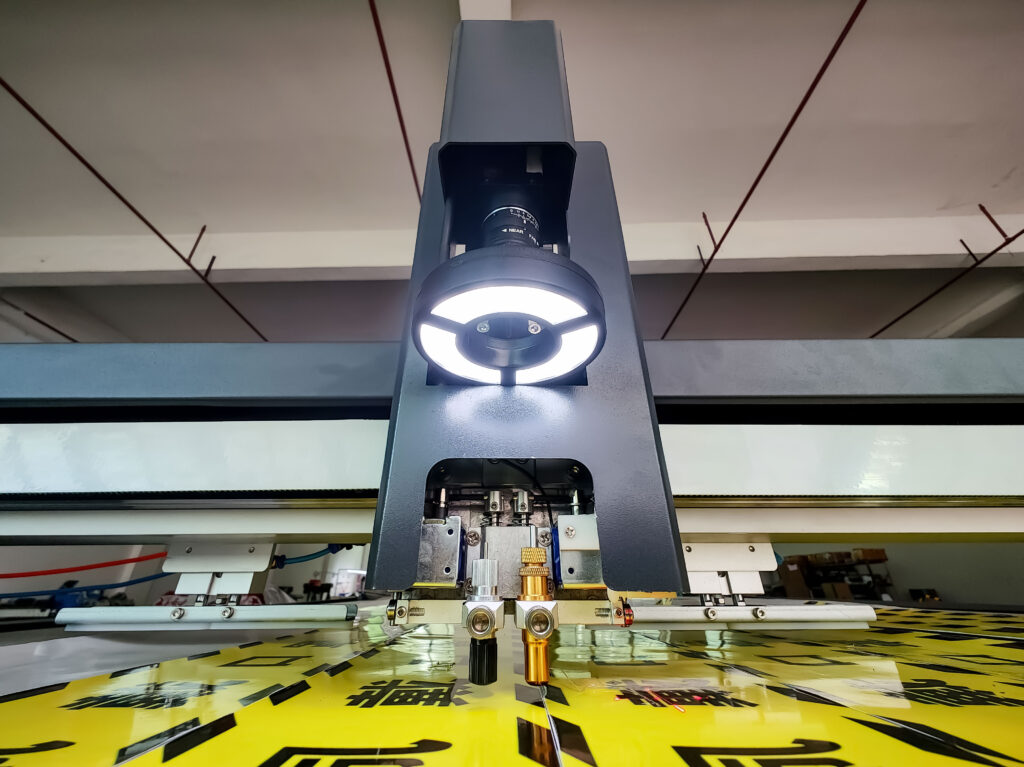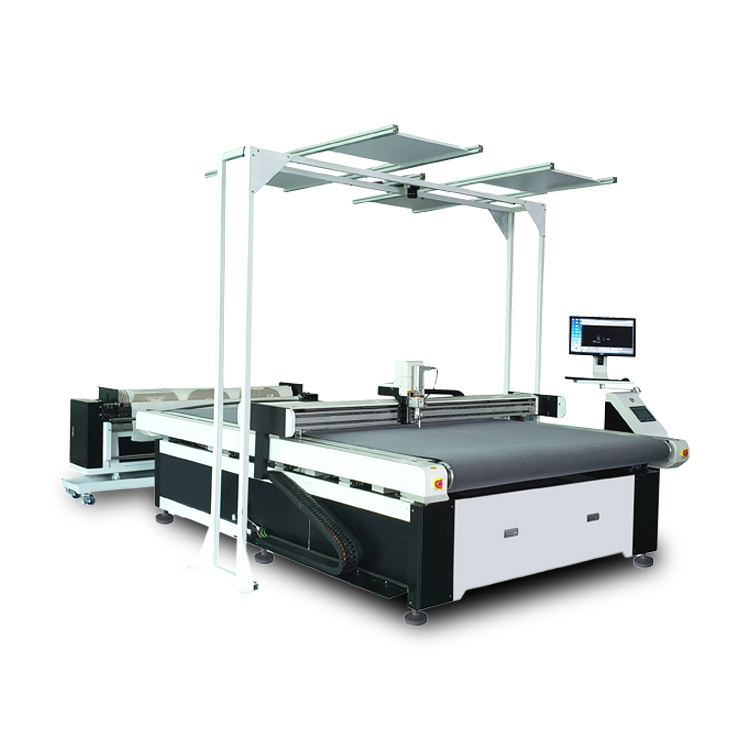
Evaluate flexible magnetic sheet cutting on the complete printed construction, including laminate, adhesive or liner where present. Inspect cut-to-print alignment, edge separation and the exposed face after pickup. Confirm compatibility with the proposed machine and work surface before treating the application as qualified.
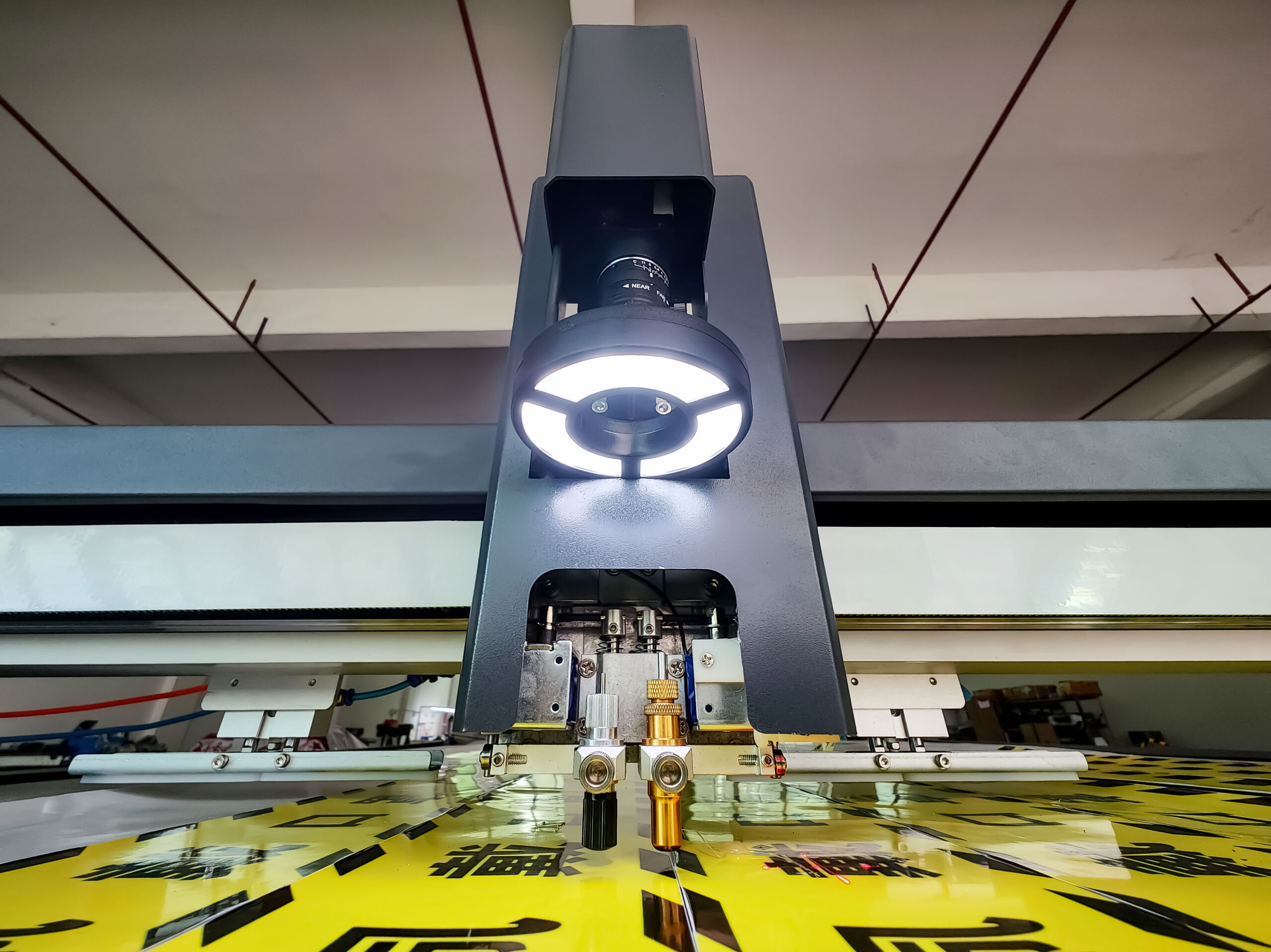
Identify every layer
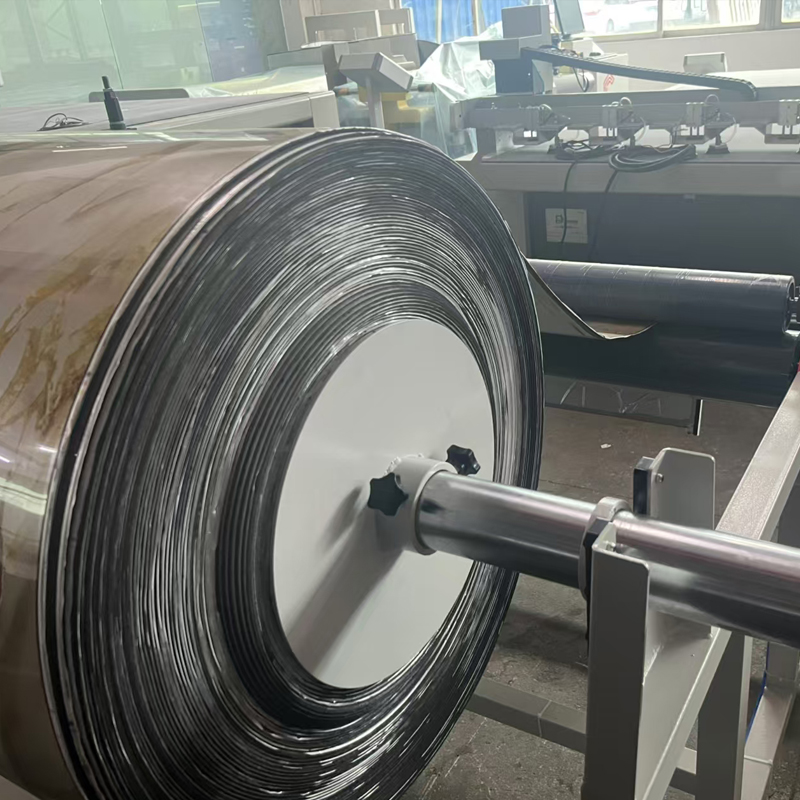
Record the magnetic sheet grade and thickness, printed layer, protective laminate and backing. State whether the output is individual through-cut shapes or parts carried on an intact liner. Ask how the supplier proposes to hold and register the stock. Include small radii and narrow features from production because they can behave differently from a large demonstration rectangle.
| Check | Evidence |
|---|---|
| Registration | Border alignment at several sheet positions |
| Cut separation | Clean release without dragging adjacent pieces |
| Surface condition | No unacceptable marks after normal handling |
| Finished use | Shape and flatness when applied to the intended surface |

Compare the sample through the customer handoff
Inspect the printed face before cutting and retain an uncut reference from the same batch. Have the supplier document stock orientation and the proposed tool. Collect the pieces through the intended process and inspect edges, corners and the visible face. Include any protective-film removal in the trial. If a liner must remain, verify that it supports the parts through transport and removal.
Apply representative shapes to the intended surface and check flatness, corner behavior and removal. Retention requirements depend on the magnetic product and use conditions, so use the customer’s specified functional test. Keep those results separate from cutting measurements. Record setup, accepted yield and handling time to support a realistic equipment comparison.
Frequently asked questions
Does successful vinyl cutting prove magnetic-sheet capability?
Use a separate trial with the actual magnetic construction. Thickness, support and separation requirements can differ.
Should the printed face be up or down?
Compare permitted orientations and the registration method on the offered equipment. Inspect the face after release.
Can I qualify the process from a photo?
Request returned physical samples to inspect print, edges and the intended application. Photos complement those checks.
Related equipment and application guides
Explore the JEKE digital cutting machine range and material application overview. For the related decision, read CCD Camera Positioning for Printed Fabric, Labels and Cardboard.
Discuss your cutting project with JEKE
Consider JEKE for a material-led digital cutting equipment evaluation. Ask the team to connect your application requirements with a documented machine configuration and sample-testing plan.
Send JEKE the complete printed magnetic sheet, artwork, cut path and acceptable face sample. Contact JEKE to request a configuration review and discuss sample testing. Confirm material suitability, included options and acceptance criteria in the written proposal.