Packaging buyers often compare two machine types that sound similar on paper but serve different priorities in real production: the carton sample maker and the digital die cutter. Both can cut packaging materials. Both can reduce dependence on manual work. But they are not the same investment, and they should not be specified the same way.
The real choice is not about which machine sounds more advanced. It is about which machine fits your daily workflow. A packaging team focused on structural design, customer approvals, and prototype speed needs a different setup from a converter trying to support short-run production, display jobs, and more repeatable output.
That is why the comparison matters. If the machine is selected only by name or by the lowest quote, the workflow usually suffers later. The machine may still cut board, but it may not match your creasing needs, your software process, your print registration requirements, or your order mix.
At JEKE, part of Dongguan Diaobao Automation Equipment Co., Ltd, these discussions usually start with one practical question: are you mainly trying to make samples faster, or are you trying to build a broader digital finishing workflow? That answer changes the right machine direction immediately.
Before comparing details, it helps to review JEKE’s current packaging-related cutting solutions and the material scope listed on the application materials page. The right machine is the one that matches your packaging process, not just the one with the better-looking brochure.
What a Carton Sample Maker Is Designed To Do
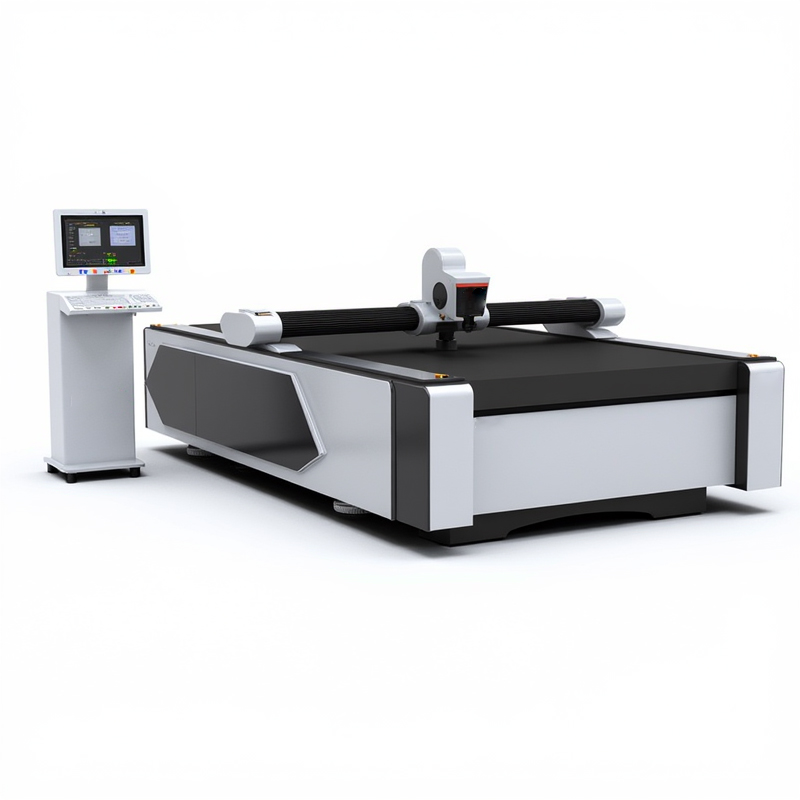
A carton sample maker is primarily built for packaging development work. Its main purpose is to help packaging teams move quickly from structural design file to physical sample.
This usually includes:
- carton sample making
- corrugated box prototyping
- folding carton mockups
- structural approval samples
- customer presentation models
- short proofing cycles during design changes
The strongest carton sample maker workflows usually depend on:
- fast cut-and-crease output
- easy handling of corrugated and paperboard materials
- compatibility with packaging CAD files
- fast job switching for sample rooms
If the business wins work by responding quickly to revisions and approvals, sample speed matters more than raw output volume.
What a Digital Die Cutter Usually Covers
A digital die cutter is usually discussed as a broader digital finishing platform. Depending on configuration, it may cover not only packaging prototypes but also selected short-run jobs, printed mockups, labels, display work, inserts, and mixed flexible-material applications.
Compared with a packaging-specific sample maker, a digital die cutter often puts more emphasis on:
- wider application range
- multiple tool options
- print-and-cut workflows
- contour accuracy on printed jobs
- higher flexibility across departments
That does not automatically make it the better option. It simply means the machine may be more suitable when packaging is only part of the workload or when the business wants one digital platform to handle several kinds of finishing work.
The Difference Starts With Workflow, Not Machine Name
The wrong way to compare these machines is to ask which one is “better.” The useful question is what kind of packaging operation you actually run every day.
Choose a carton sample maker first if your workflow depends on:
- rapid structural sampling
- repeated customer revisions
- corrugated and carton development
- fast cut-and-crease testing
- packaging CAD integration
Choose a broader digital die cutter direction first if your workflow depends on:
- packaging plus display production
- printed mockups with contour cutting
- mixed flexible materials
- short-run support beyond sample rooms
- more varied tooling needs
One machine is not replacing the other in every case. They serve different bottlenecks.
Where a Carton Sample Maker Usually Wins
Faster Structural Sampling
If your team creates many prototype boxes, fold tests, display mockups, and approval samples, a packaging-focused sample maker is usually easier to justify. The value is not only cutting. The value is how quickly the design team can test structure, revise files, and show a physical result.
Better Fit for Packaging CAD Work
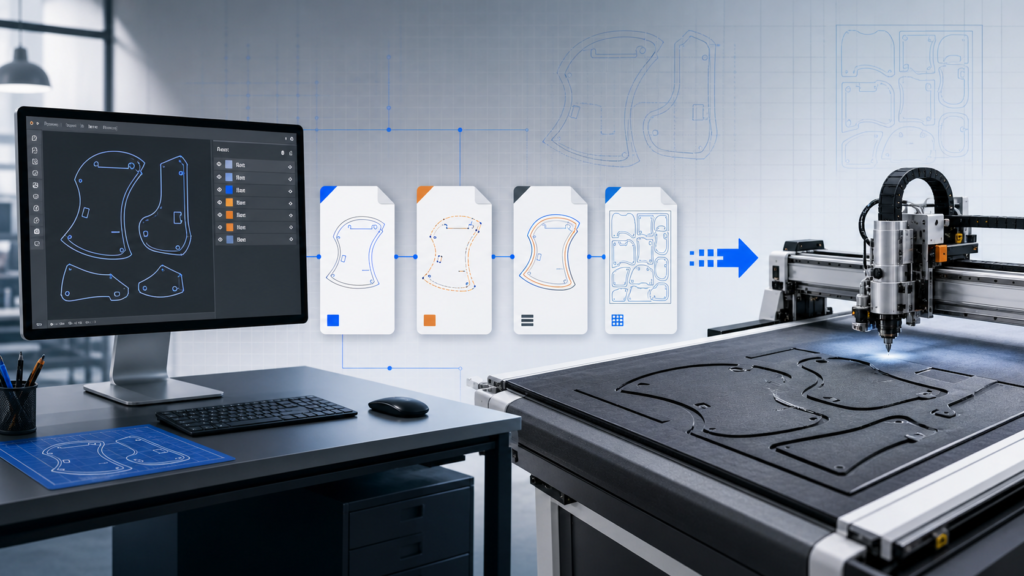
Packaging development often depends on structural design software, crease logic, fold behavior, and repeated revisions. A carton sample maker is usually easier to fit into this kind of environment because the workflow is already centered on board converting and sample making.
Simpler Decision for Sample Rooms
If the machine is mainly for an internal sample room, it does not always need the broadest material range or the most flexible finishing setup. It needs to perform the packaging job well, repeatedly, and without unnecessary complexity.
Where a Digital Die Cutter Usually Wins
More Material Flexibility
A digital die cutter often makes more sense when the company handles more than corrugated board and cartons. If the workload also includes:
- printed packaging mockups
- display graphics
- foam inserts
- labels or adhesive materials
- mixed flexible materials
then a broader digital platform may create more value across departments.
Better Expansion Beyond Sample Work
Some businesses start with sampling but later want the same equipment to support short-run production, promotional packaging, or custom display work. In those cases, a more versatile digital die cutter setup may give the business more room to grow.
More Useful for Print-and-Cut Jobs
If the machine must process branded mockups, shaped display work, or registration-sensitive printed packaging, the comparison should include camera positioning and contour workflow. For those jobs, the logic is closer to the use cases covered in JEKE’s camera positioning cutting article.
Tooling and Configuration Matter More Than Labels
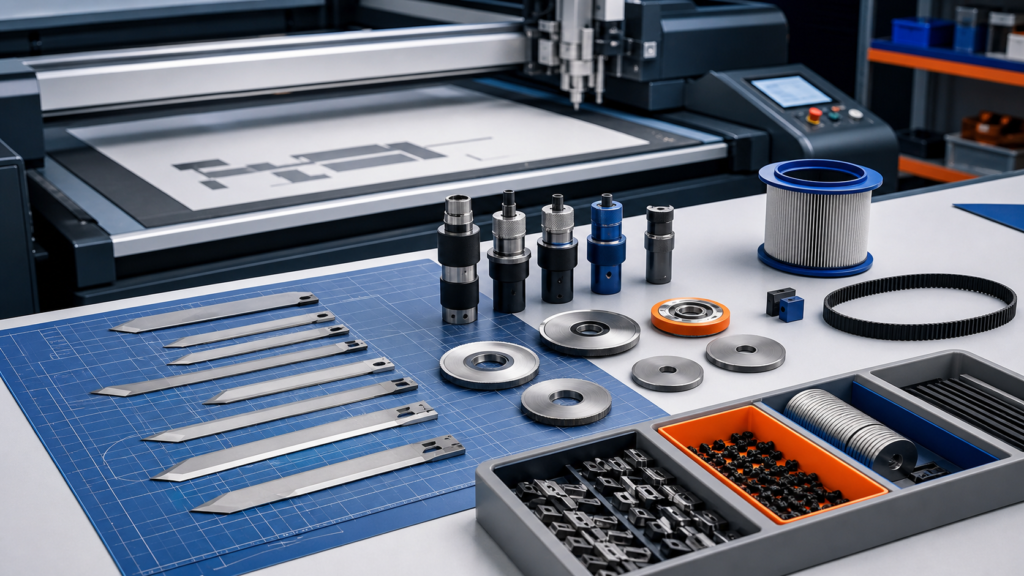
The machine name alone does not tell you enough. A serious packaging buyer should review the actual tool package and workflow requirements.
Important questions include:
- Does the machine support cutting and creasing in one workflow?
- Can it handle your common board thickness range?
- Does it need camera registration for printed mockups?
- Is the hold-down stable enough for accurate crease and cut lines?
- Does the software fit the files your packaging team already uses?
This is where many buying mistakes happen. A machine may technically belong to the right category but still be wrong for the actual job if the configuration is weak.
Compare Them by Real Packaging Tasks
Task 1: Customer Approval Samples
If your sales and design teams need to show customers physical samples quickly, a carton sample maker usually has the clearer value. The job is highly packaging-specific, revision-heavy, and time-sensitive.
Task 2: Short-Run Branded Mockups
If the business produces printed presentation pieces, branded prototypes, and display packaging with contour requirements, a digital die cutter may be more useful, especially when camera-based alignment matters.
Task 3: Internal Design Validation
For fold checks, line checks, structure revisions, and test builds, a sample maker often feels more direct and easier to justify.
Task 4: Multi-Department Digital Finishing
If packaging, display, graphics, and other flexible-material tasks all compete for the same equipment budget, a broader digital die cutter platform may produce stronger overall value.
What Packaging Buyers Most Often Get Wrong
Buying Only for the Current Sample Room
Some teams buy a machine that fits today’s basic sample work but not tomorrow’s printed mockups, wider sheet sizes, or faster commercial demands. That can create a second investment too quickly.
Buying Too Broad Without a Real Need
The opposite mistake also happens. Some buyers pay for broad material flexibility and advanced digital finishing logic they rarely use. That raises budget without solving the core packaging bottleneck.
Ignoring Creasing Quality
In packaging, cutting is only half the job. If crease lines are unstable or inconsistent, the sample will not communicate the structure properly. A machine that cuts well but creases poorly can still fail the real business need.
Underestimating Software Workflow
If the packaging team works inside a stable CAD process, the machine should fit that environment cleanly. Extra manual conversion, repeated correction, or awkward file handling slows everything down.
Which Machine Fits Which Buyer Type?
Packaging Design Team or Sample Room
Best fit:
- carton sample maker first
Why:
- packaging-specific workflow
- frequent revisions
- strong need for fast physical samples
Converter Serving Many Packaging Customers
Best fit:
- depends on job mix
Why:
- if work is mostly structural packaging sampling, a sample maker is often enough
- if work also includes printed mockups, display work, and short runs, a digital die cutter may be stronger
Brand Owner With In-House Development
Best fit:
- carton sample maker in many cases
Why:
- approval speed and design iteration often matter more than production breadth
Mixed Packaging and Display Business
Best fit:
- digital die cutter more often
Why:
- broader material range
- stronger cross-department value
- easier expansion into additional finishing tasks
A Simple Decision Framework
If most of your daily value comes from making box samples faster, choose based on packaging workflow first.
If most of your future value comes from handling more job types on one machine, choose based on digital finishing flexibility first.
A useful checklist is:
- Are 80% of our jobs packaging samples and prototypes?
- Do we regularly need contour cutting on printed mockups?
- Do we want one machine for packaging only, or for several departments?
- Is creasing quality more important than material variety?
- Are we buying for sample speed, short runs, or broader finishing capability?
If the answers lean heavily toward sample speed and packaging structure, a carton sample maker usually makes more sense. If the answers lean toward mixed applications and wider finishing tasks, a digital die cutter is often the stronger path.
Why This Decision Should Be Made Early
This machine choice affects more than output. It affects how the team works.
It influences:
- sample turnaround time
- customer response speed
- internal revision efficiency
- operator training
- software workflow
- future expansion path
That is why the comparison should be settled before the quote stage gets too detailed. A supplier can price either machine category, but the more important issue is whether the category itself fits the business model.
Why JEKE Can Support Both Decision Paths
JEKE is well-positioned for buyers who need practical digital cutting solutions for packaging and related flexible-material work without turning every investment into an oversized automation project.
For some buyers, that means recommending a packaging-focused sample configuration. For others, it means recommending a broader digital die cutting direction that supports packaging alongside display, printed mockups, or other materials.
Dongguan Diaobao Automation Equipment Co., Ltd approaches this choice as a workflow question, not just a product pitch. That is the right way to compare these machines because the better result comes from matching the configuration to the daily work.
Next Step
If you are comparing a carton sample maker and a digital die cutter now, do not start with the lowest quote. Start with your real job mix: prototypes, revisions, printed mockups, short runs, board types, and software workflow.
If you want a practical recommendation, JEKE can review your packaging tasks, board range, creasing needs, and output goals, then help you decide whether a packaging-specific sample maker or a broader digital die cutting setup is the better fit. The easiest next step is to use the contact page and ask for a workflow-based recommendation.
FAQ
What is the main difference between a carton sample maker and a digital die cutter?
A carton sample maker is usually more packaging-specific and focused on prototypes, structural samples, and fast design validation. A digital die cutter is often broader and may support more materials, print-and-cut tasks, and mixed finishing work.
Which one is better for corrugated box prototypes?
A carton sample maker is often the better fit when the core job is corrugated box prototyping, structural testing, and customer approval samples.
Which one is better for printed mockups and display packaging?
If printed registration, contour cutting, and broader material flexibility matter, a digital die cutter may be the stronger choice.
Do both machines support creasing?
They can, but the real question is how well the machine and tool package handle your specific packaging workflow. Buyers should compare actual cut-and-crease performance, not only machine labels.
How should I choose between them?
Start with your daily job mix. If most of the value comes from packaging sample speed, lean toward a carton sample maker. If the value comes from broader digital finishing across materials and departments, lean toward a digital die cutter.