For packaging companies, speed is no longer only about production. It is also about how fast you can turn an idea into a physical box sample, approve a structure, and respond to customer changes without waiting for a die.
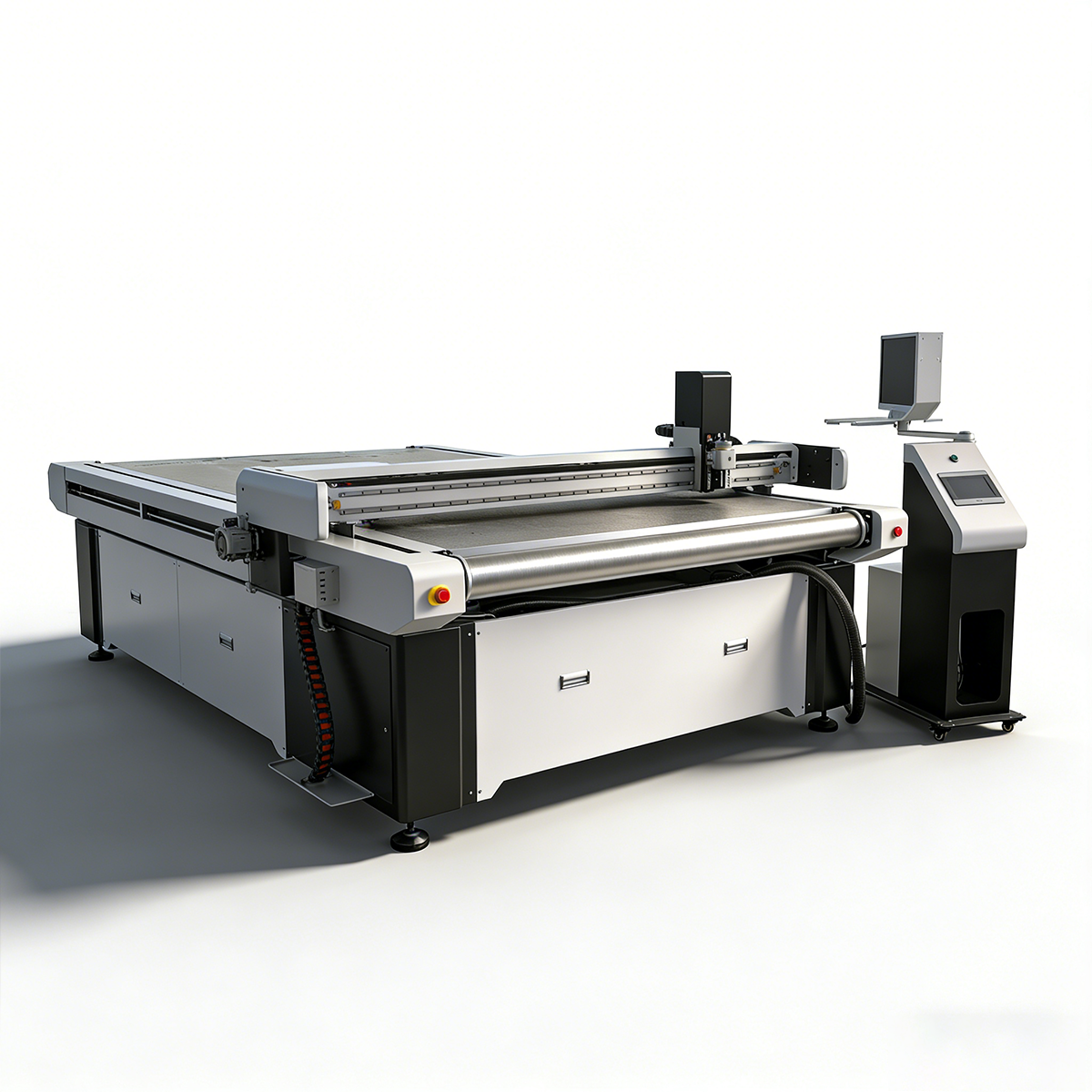
That is why more packaging converters, sample rooms, and brand-side packaging teams are investing in corrugated cardboard cutting machines. A digital cutting system gives you a faster and more flexible way to cut and crease corrugated board for prototypes, sample making, and short-run work.
If you are evaluating this type of machine, the goal is not simply to buy a cutter that can process cardboard. The real goal is to choose a system that fits your packaging workflow, board types, tooling needs, software process, and delivery speed requirements.
In this guide, we explain what a corrugated cardboard cutting machine does, what features matter most, how it compares with traditional sample-making methods, and how to choose the right configuration for your business.
At Dongguan Diaobao Automation Equipment Co., Ltd, the JEKE brand focuses on automated cutting solutions for flexible materials, including packaging applications where corrugated sample making speed has a direct impact on customer response time.

Why Packaging Companies Use Digital Cutting for Corrugated Board
Traditional die cutting is efficient in mass production, but it is not ideal for every stage of packaging development. When jobs are small, urgent, or frequently changing, die-based workflows become slower and less flexible.
That is where a digital corrugated cardboard cutting machine creates value.
It is commonly used for:
- carton sample making
- box prototyping
- structural design validation
- customer approval samples
- short-run packaging jobs
- display packaging and mockups
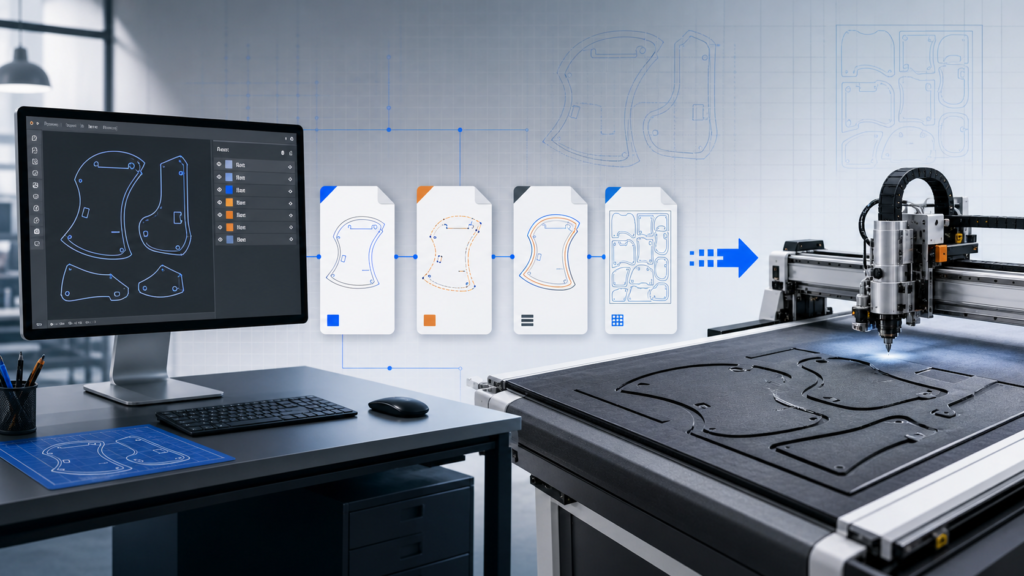
Instead of waiting for die production, a digital system can move directly from design file to finished sample. For packaging businesses, that shortens lead time and improves responsiveness.
What a Corrugated Cardboard Cutting Machine Must Handle
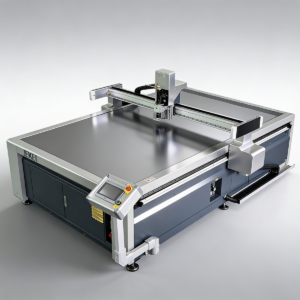
Not every digital cutter is equally suitable for packaging work. Buyers should start by understanding what the machine needs to do in actual production.
Different Corrugated Structures
Corrugated board comes in different flute types, board constructions, and application requirements. A suitable machine should cut cleanly across your main board range without crushing the structure or creating inconsistent edges.
Cutting and Creasing in One Workflow
For packaging sample making, cutting alone is not enough. A carton must usually be both cut and creased. That means the machine should support the correct combination of:
- cutting tools
- creasing tools
- material hold-down
- software control for line accuracy
If your packaging team regularly develops box samples, a machine without strong creasing capability will create workflow limitations.
Sample Making vs Short-Run Production
Some buyers only need fast prototyping. Others also want to handle short-run production jobs without making dies. That difference affects which machine size, feeding system, and table structure make sense.
A sample-room machine and a production-support machine may look similar, but they should not be specified the same way.
Key Features To Compare Before Buying
Tool Head Configuration
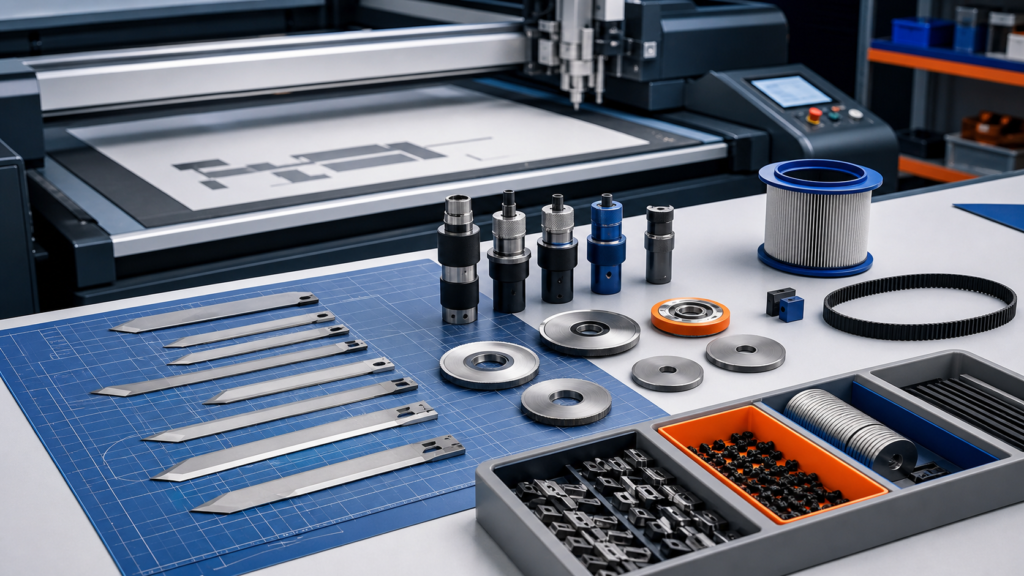
The machine should match the real operations of packaging work. Important tool options often include:
- oscillating knife for cutting corrugated board
- creasing wheel for fold lines
- kiss-cut or drag-knife functions for selected layered materials
- optional camera positioning if printed jobs require registration
The right tool combination is one of the most important parts of the buying decision.
Table Size
Board size matters. A machine that is too small creates handling inefficiency. A machine that is much larger than your actual work may increase cost without improving productivity.
Ask:
- What sheet sizes do we run most often?
- Do we mainly produce hand samples or full presentation prototypes?
- Do we need to process larger display packaging structures?
Your typical packaging formats should drive table selection.
Camera Positioning and Registration
If your packaging workflow includes printed mockups, display packaging, or branded presentation samples, registration accuracy may matter. Camera positioning can improve contour accuracy and reduce manual alignment time.
Conveyor or Sheet-Fed Workflow
For some operations, a standard flatbed table is enough. For others, a conveyor system can improve productivity, especially if the machine is also used for repeated short runs rather than only occasional samples.
The right answer depends on whether your machine is for:
- design validation
- customer-facing sample production
- internal development
- short-run packaging fulfillment
Software Compatibility
This is often underestimated. A packaging cutting machine should work smoothly with the software and file formats your structural design team already uses.
The machine becomes much more valuable when it fits into the existing CAD workflow instead of forcing extra file conversion or manual editing.
Carton Sample Maker vs General Digital Cutting Table
Buyers often compare a dedicated carton sample maker with a more general digital cutting machine.
A carton sample maker is usually more packaging-specific. It is built around:
- board cutting
- creasing
- packaging CAD workflow
- sample production efficiency
A broader digital cutting table may offer more material flexibility and can support additional industries or materials, which may be useful if your company also works with display graphics, foam inserts, or mixed material packaging.
The correct choice depends on your business model.
Choose a packaging-focused sample maker if:
- packaging is your core business
- sample speed is a major competitive advantage
- most jobs center on corrugated structures and carton development
Choose a broader digital cutting platform if:
- you process multiple flexible materials
- you serve packaging plus display or signage applications
- you want one machine to support several departments
Common Problems and How the Right Machine Solves Them
Slow Sample Turnaround
When sample production depends on manual cutting or outside die support, response time slows down. A corrugated cardboard cutting machine reduces that delay by allowing in-house sample output directly from the design file.
Inaccurate Fold and Cut Lines
Packaging samples must look professional. If cut lines and crease lines are inconsistent, approval becomes more difficult. A properly configured digital system improves repeatability and presentation quality.
High Labor Dependence
Manual sample making is slow and heavily dependent on operator skill. Automation helps packaging teams standardize output and free up skilled staff for higher-value work.
Material Waste
Better nesting and digital job control can reduce waste, especially when multiple sample versions are created from the same board type.
Difficulty Handling Customer Changes
Packaging designs often change during development. A digital system makes it easier to update files and re-cut samples quickly without remaking tooling.
Which Packaging Buyers Need Which Type of Configuration?
Design Studio or Sample Room
If the main goal is structural testing and customer approvals, focus on:
- sample speed
- cut and crease quality
- CAD compatibility
- manageable table size
Packaging Converter
If you are a converter serving multiple customers, you may need:
- faster job switching
- broader board compatibility
- stronger productivity
- possible short-run capability
Brand Owner With In-House Packaging Development
If the machine supports internal R&D or marketing teams, flexibility and ease of use may matter more than production-scale output.
The right buying decision depends on whether your machine is mainly a design tool, a sample-making tool, or a short-run production tool.
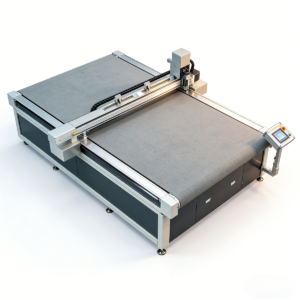
How to Evaluate ROI on a Corrugated Cardboard Cutting Machine
ROI is not only about labor savings. In packaging businesses, the machine often creates value through:
- faster customer response
- shorter sample approval time
- reduced outsourcing
- fewer delays caused by tooling
- stronger ability to win short lead-time jobs
If your sales process depends on showing customers physical samples quickly, the machine may improve conversion speed as much as internal efficiency.
Questions To Ask Before Requesting a Quote
Before talking to suppliers, prepare these details:
- Which corrugated board types do we use most?
- What is our largest common sheet size?
- Do we need cutting only, or cutting plus creasing?
- Is the machine for prototypes only, or also short runs?
- Do we process printed mockups that need registration?
- Which design software and file formats do we use?
- How many samples or jobs do we expect per day?
These answers help you get a more accurate recommendation and avoid buying a machine that is too limited or unnecessarily complex.
Conclusion
A corrugated cardboard cutting machine is one of the most useful automation tools for modern packaging development. It helps packaging businesses reduce dependence on manual sample making, respond faster to customer demands, and support prototype and short-run workflows without waiting for dies.
The best system is not defined only by maximum speed or machine size. It is defined by how well it supports your actual packaging process, including board type, sample volume, creasing requirements, CAD workflow, and turnaround expectations.
If your team is losing time on sample production, struggling with repeated design changes, or trying to win more short-lead packaging work, a digital cutting machine may be the right next investment.
The most effective way to choose one is to evaluate it based on your real board materials, real packaging designs, and real workflow bottlenecks.
If you want to assess a packaging setup more directly, JEKE and Dongguan Diaobao Automation Equipment Co., Ltd can review your board types, sample volume, and CAD workflow, then recommend a corrugated cutting configuration that matches your actual packaging process.
FAQ
Can a corrugated cardboard cutting machine cut and crease at the same time?
Yes. Many digital packaging cutting machines are designed to perform both cutting and creasing in one workflow, which is essential for carton samples and box prototypes.
Is digital cutting suitable for short-run packaging production?
Yes, especially for custom jobs, urgent orders, prototypes, and small-batch packaging work where making a die would slow down the process or increase cost.
What is the difference between a carton sample maker and a general digital cutter?
A carton sample maker is usually more specialized for packaging work, while a general digital cutter may offer broader material flexibility. The better option depends on whether packaging is your only use case or part of a wider workflow.
Do I need camera positioning for corrugated packaging cutting?
Not always. Camera positioning is most useful when you need accurate registration for printed mockups, branded display packaging, or contour-based graphics.
What files should a packaging cutting machine support?
It should support the file formats and software workflow already used by your packaging design team, so jobs can move smoothly from CAD design to physical sample output.